
A family that spends $500 a month on groceries can earn $360 a year in cash back from a single card. That is the headline pitch behind the Blue Cash Preferred from American Express, and it is the reason the card keeps showing up on best of lists for everyday spenders.
This guide walks through the Amex Blue Cash Preferred benefits in detail, from the well known 6% grocery rate to the smaller perks that often get ignored. The goal is to help readers decide whether the $95 annual fee, as of 2026, is worth it for their household.
Headline Amex Blue Cash Preferred Benefits
The core of the card is its cash back structure. As of 2026, the Blue Cash Preferred earns:
- 6% cash back at US supermarkets on up to $6,000 a year in purchases, then 1%
- 6% cash back on select US streaming subscriptions
- 3% cash back on transit, including rideshare, parking, tolls, trains, buses, and more
- 3% cash back at US gas stations
- 1% cash back on everything else
That $6,000 supermarket cap matters. A family that hits it earns $360 in cash back from groceries alone, before the streaming, transit, or gas categories come into play. Shoppers comparing this earn rate against rivals can see how Blue Cash Preferred stacks up in our roundup of the best cash back cards for groceries.
Welcome Offer and Annual Fee
The Blue Cash Preferred typically offers a welcome bonus around $250 in statement credits after spending $3,000 in the first six months, as of 2026. Offers change, and current numbers should always be checked on the application page.
The annual fee is $95, with a $0 intro fee sometimes available in the first year. APRs are variable and can run from roughly 19% to 30%. Terms apply, APRs vary by creditworthiness. If you want to step up to Amex's flagship travel card and see how its much larger credit stack works in 2026, our complete guide to Amex Platinum benefits in 2026 walks through every annual credit and the rules for actually capturing each one.
How the Cash Back Adds Up in a Year
Real household spending numbers tell the story better than rates on paper. Consider a typical family budget:
- $500 a month at US supermarkets equals $360 in cash back at 6% on the first $6,000
- $40 a month on streaming services equals roughly $29 in cash back at 6%
- $150 a month on gas equals $54 in cash back at 3%
- $100 a month on transit and rideshare equals $36 in cash back at 3%
- $400 a month on other spending equals $48 in cash back at 1%
That is roughly $527 in cash back before the welcome bonus, against a $95 annual fee. The net result is a card that may comfortably pay for itself for a moderate spending household.
Streaming, Defined
The 6% streaming category covers a defined list of US streaming subscriptions. That list typically includes Netflix, Disney+, Hulu, Max, YouTube TV, Spotify, Apple Music, Apple TV+, Peacock, and several others, as of 2026. Live TV bundles and certain news subscriptions often qualify too.
Live sports packages purchased through participating providers may also code as streaming. The category is narrower than it sounds, so checking the merchant list before assuming 6% is worth a minute.
Transit and Gas Coverage
The 3% transit category is broader than most cardholders realize. It typically includes:
- Taxis and rideshare services like Uber and Lyft
- Trains and commuter rail
- Buses and ferries
- Parking and tolls
- Some bike share services
Combined with 3% at US gas stations, the card may cover most of a commuter's transportation budget. Drivers who fill up twice a week and occasionally take rideshare on weekends can add up real dollars in this category over a year.
Travel and Purchase Protections
The Blue Cash Preferred is positioned as a cash back card, not a travel card, but it still carries a small set of useful protections. Notable ones include:
Return Protection
If a merchant will not accept a return within 90 days, Amex may refund up to $300 per item and up to $1,000 a year, as of 2026. Some categories are excluded, including perishable items and motorized vehicles.
Car Rental Loss and Damage Insurance
When a rental is paid for with the card and the rental company's CDW is declined, the card may provide secondary coverage. Secondary means it pays after personal auto insurance, which is less powerful than primary coverage on premium travel cards.
Global Assist Hotline
When traveling more than 100 miles from home, cardholders may call a 24/7 hotline for help with translation, lost luggage tracking, and medical referrals. The service is free, though third party costs are the cardholder's responsibility.
An Easier-Approval Alternative to Consider
If you want a card with rewards but your credit file is still thinner than Amex looks for, the Aspire Cash Back Rewards Mastercard is worth comparing. It prequalifies up to a $1,000 credit limit with no security deposit, no hard credit pull at prequalification, and pays up to 3% cash back on eligible categories. Approval favors applicants with thinner credit files than Blue Cash Preferred requires, so it can be an entry point if your score is not yet in the 690-plus range Amex looks for. The trade-off is fees: year-one annual fee runs $85–$175, then year-two and beyond can reach $229/year, so plan to graduate to a true low-fee card once your score qualifies.
Aspire® Cash Back Rewards Mastercard
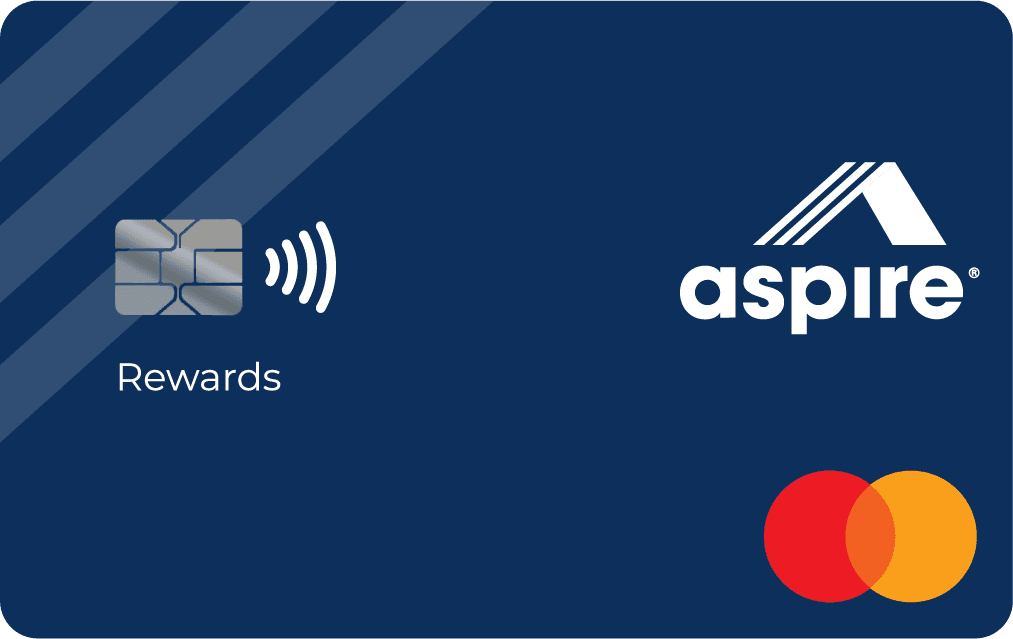
Aspire® Cash Back Rewards Mastercard
Aspire® Cash Back Rewards Mastercard. Prequalify* For Up To $1000 Credit Limit. No security deposit. Packed with great benefits, it’s designed to give you more flexibility—and purchasing power—along with up to 3% cash back rewards!** Good anywhere Mastercard is accepted, it’s the go-to card for any lifestyle.
Standout feature
Up to 3% cashback rewards**
Fees
$85–$175 first year, $229 thereafter (maintenance fees already included)
Pros
No Deposit Required. Prequalify* for up to $1000 credit limit
Cons
High APR, 36% Fixed.
If you would rather build credit with no annual-fee surprises, the Self Visa® Credit Card is a secured builder that pairs with a Self credit-builder account and reports to all three bureaus every month. It is a clean way to lift a thin file toward the 690-plus score Amex wants before you apply for the Blue Cash Preferred.

Whichever builder you choose, track your progress so you apply for the Blue Cash Preferred at the right moment. Creditship offers free credit monitoring that shows your score and flags new activity, helping you time the Amex application for when your approval odds peak.
Creditship

Creditship
Get free credit monitoring and concrete advice how to improve your credit from Creditship AI.
Standout feature
AI Credit Coach. AI analyzes your credit report in depth and gives you tailored, actionable steps to raise your score.
Fees
Free
Pros
Free credit report access plus monitoring and alerts
Cons
No credit repair feature
Where the Amex Blue Cash Preferred Falls Short
The Amex Blue Cash Preferred benefits are deep in groceries and streaming, but the card has real gaps. The most important ones:
- The 6% supermarket category caps at $6,000 a year, dropping to 1% after
- Warehouse clubs like Costco and Sam's Club do not count as supermarkets
- Target and Walmart purchases do not count as supermarket spending
- The card carries a 2.7% foreign transaction fee, making it a poor choice abroad
- Base spending earns only 1%, which loses to flat 2% cards on non bonus purchases
Households that shop primarily at Costco or that travel internationally often pair this card with another that fills those gaps. A flat 2% cash back card or a no foreign transaction fee travel card may handle whatever the Blue Cash Preferred does not. Travelers and diners who want a bigger benefit package may also be better served stepping up the Amex ladder — our Amex Platinum vs Amex Gold comparison breaks down where the $325 or $695 fee on the premium tiers earns its keep against Blue Cash Preferred's $95.
Who Should Apply, and Who Should Skip
The Blue Cash Preferred can be a strong fit for someone who:
- Spends at least $300 to $500 a month at US supermarkets
- Pays for several streaming services that fall in the Amex defined list
- Has a regular gas or transit budget
- Has good or excellent credit and a stable income
It may not be the best pick for someone who shops mostly at Costco or Walmart, travels frequently abroad, or wants a simple no annual fee card. In those cases, the Blue Cash Everyday — covered in detail in our Amex Blue Cash Everyday benefits guide — or a competitor like the Citi Custom Cash may be a better fit. For a head-to-head between the two Blue Cash siblings before you pick, our Amex Blue Cash Preferred vs Blue Cash Everyday comparison walks through the grocery cap, fee differences, and which household profile actually breaks even on each. Shoppers who specifically want to maximize grocery rewards across club stores and superstores can compare picks in our best credit card for grocery shopping breakdown, which covers Costco-friendly and Walmart-friendly options. For a closer look at how Chase's flat-rate Freedom Unlimited stacks against Citi's flagship 2% cash-back card in head-to-head spending scenarios, our Chase Freedom Unlimited vs Citi Double Cash comparison walks through earn rates, welcome bonuses, and where each card fits.
Bottom Line
For a household with steady supermarket spending and a stack of streaming subscriptions, the Amex Blue Cash Preferred benefits often produce several hundred dollars in cash back a year. The $95 annual fee is small compared to the rewards potential, as long as the spending matches the categories. If the spending pattern does not fit, a different card will likely deliver more value.
Frequently Asked Questions
What is the annual fee for the Amex Blue Cash Preferred in 2026?
The Amex Blue Cash Preferred carries a $95 annual fee, as of 2026. American Express sometimes runs an intro offer waiving the first year fee. Current pricing should always be confirmed on the application page before applying.
Do warehouse clubs like Costco count as US supermarkets on the Blue Cash Preferred?
No. American Express specifically excludes warehouse clubs, superstores, and similar large retailers from the 6% US supermarket category. Costco, Sam's Club, BJ's, Walmart, and Target purchases generally earn the base 1% cash back rate.
Does the Blue Cash Preferred have a foreign transaction fee?
Yes. The card charges a 2.7% foreign transaction fee on purchases made outside the United States. International travelers may want to bring a no foreign transaction fee card on trips abroad to avoid that extra cost.
What credit score is needed for the Amex Blue Cash Preferred?
American Express typically looks for good to excellent credit, usually a FICO score of 690 or higher. Approval also factors in income, debt, and overall credit history. Applicants with weaker credit may want to consider the Aspire Cash Back Rewards Mastercard as an entry point while building a stronger profile.




