
A 580 FICO score sits squarely in the subprime range, which is where a surprising number of Americans actually live. According to Experian's latest consumer data, roughly one in six adults has a FICO score below 600. If you are apartment hunting with a 580, you are not alone, and you are also not locked out. The rental market has a wider spread than most people realize, and plenty of landlords will approve you if you know where to look and what to bring to the table.
This guide walks through which landlords tend to accept lower scores, what you can offer to offset the risk, and how to keep building your credit so the next lease is easier.
Why 580 Feels Hard (But Isn't a Dealbreaker)
Most large property management companies pull a credit report and set a minimum score as part of their scoring model. In many markets that cutoff is 620 or 650, which is why a 580 can trigger an automatic denial at a luxury high-rise. But rental housing is a big tent, and a lot of operators weigh credit as just one input alongside income, rental history, and references. Our breakdown of the credit score you actually need to rent an apartment shows how wide that range really is.
A 580 typically signals one or more of the following on your report: a recent late payment, a collection account, high revolving utilization, or a thin file without much positive history. Landlords know that. What they really want to see is that you can and will pay the rent. Showing that through other evidence is often enough.
Types of Landlords Most Likely to Accept a 580
Not all landlords screen the same way. Here are the groups that are usually more flexible.
Private, Individual Landlords
Mom-and-pop landlords who own one or a handful of units often skip formal credit screening or set a lower bar. They may care more about an in-person meeting, a stable paycheck, and a clean reference from your last landlord. Craigslist, Facebook Marketplace, and small local listing sites are full of these properties.
Large Complexes With Risk-Based Pricing
Some national operators approve lower scores but charge a higher security deposit or a monthly risk fee. You may pay two months' rent up front instead of one, or an extra 50 dollars a month. It is not cheap, but it gets you the keys.
Sub-Market and Workforce Housing
Class B and C buildings, garden-style suburban complexes, and older properties tend to have looser credit standards than new luxury lease-ups. Look a few zip codes outside the hottest neighborhood and your options multiply.
No-Credit-Check Listings
A small but real slice of landlords advertise "no credit check" right in the listing. Verify that the building is legitimate, not a scam, before sending any money. A no-credit-check landlord may still ask for income verification and a background check.
What to Offer to Strengthen Your Application
When your score is low, the application itself becomes your sales pitch. Stack the deck with as many positives as you can.
- Bigger security deposit. Offering an extra month or two up front shows commitment and covers the landlord's perceived risk.
- Prepay rent. Some landlords accept three to six months of rent prepaid in exchange for skipping the credit check.
- Cosigner or guarantor. A parent, relative, or a paid guarantor service (such as Insurent or The Guarantors) with strong credit can sign alongside you.
- Proof of income. Bring recent pay stubs, a job offer letter, or bank statements showing a pattern of deposits. A common benchmark is monthly gross income of at least three times the rent.
- Letter of explanation. A one-page note explaining what happened, such as a medical event, divorce, or job loss, and what you have done since, humanizes your file.
- Rental history references. Previous landlords who will verify on-time payments can carry more weight than the credit score itself.
- Renters insurance in hand. Showing up with a policy already bound removes one more objection.
Where to Search
Cast a wide net. Zillow, Apartments.com, and Trulia let you filter by price and bedrooms but not always by credit policy, so you often have to call or message the listing agent to ask. For private landlords, try Craigslist, Facebook Marketplace, local neighborhood groups, and university housing boards even if you are not a student. Walking the neighborhood you want and looking for yard signs still works in smaller cities.
When you reach out, lead with your positives: "I am preapproved for a lease with a 650-credit-score cosigner and can provide six months of pay stubs." That framing changes the conversation before the landlord ever pulls your report. For a deeper playbook on framing that conversation, our nine-tactic guide to convincing a landlord to rent to you with bad credit covers the paperwork, pitch order, and negotiation script that turn a no into a signed lease. If your file is thin because you recently moved to the US, our companion guide on how to rent an apartment as an immigrant with no credit walks through the documentation packet that replaces a US credit score.
Pivot: Raise Your Score So This Is Easier Next Time
Getting the apartment is one milestone. Making the next lease easier, or qualifying for a mortgage later, means building the score up. A 580 can reach the mid-600s within several months if you stack a few low-risk tools. It also helps to know whether renting an apartment builds credit on its own, because that depends entirely on rent reporting.
Secured Credit Builder Cards
The Self Visa® Credit Card is a secured Visa that uses funds from a paid-off Self Credit Builder Account as your credit line. It reports to all three bureaus, and because it does not require a separate cash deposit, it is one of the easier ways to add a revolving tradeline when cash is tight. Consistent on-time payments are the single biggest lever on your FICO score.

Report the Rent You Already Pay
Once you sign the lease, the rent you pay every month can start working for your score instead of going unrecorded. Self Rent & Utility Reporting adds your on-time rent and utility payments to your credit file, which is one of the quickest ways to build positive history that the next landlord will see when you reapply.
Self.Inc: Rent & Utility Reporting

Self.Inc: Rent & Utility Reporting
We’ll report those on-time rent and phone payments for you each month to the credit bureaus for FREE.
Standout feature
Free Rent Reporting
Fees
$0
Pros
Completely Free for Rent Reporting
Cons
Requires bank account linking
A Build-Credit Account Without a Hard Pull
If you want a debit-style way to build credit alongside a secured card, the Current Build Card lets you build payment history from everyday spending and is open to newcomers who may not have a long credit file yet. Pairing it with rent reporting gives you two positive data streams feeding the same score.
Current Build Card
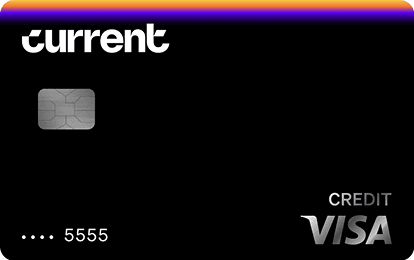
Current Build Card
$0 annual fee. No minimum deposit required. No credit check required. 1 point per dollar on eligible categories. Reports to Experian, TransUnion, Equifax.
Fee
$0
APR
0%
Minimum Deposit Amount
$0
Credit Check
No
Cashback
1 point/dollar on eligible categories (with qualifying payroll deposit)
Benefit
No credit check, no deposit minimum
Rent Reporting
Rent is usually your largest monthly payment, and historically it did not show up on your credit report at all. Services like Piñata report your rent payments to one or more bureaus so the on-time history actually counts. Some report past rent too, which can add positive tradelines fast. For a deeper look at how this works, see does paying rent build credit and our roundup of the best rent reporting services to build credit.
Keep Utilization Low
Credit utilization, the balance-to-limit ratio on revolving accounts, is the second biggest factor in FICO after payment history. Keeping usage under 30 percent, ideally under 10 percent, on reporting day can lift a score noticeably within a month or two.
Dispute Inaccuracies
Pull your free reports from AnnualCreditReport.com. If you spot accounts that are not yours, incorrect balances, or outdated negative items, dispute them directly with the bureau. You do not need a paid service to file a dispute, but consistency and documentation matter.
Putting It Together
A 580 narrows your list, it does not end your search. Focus on private landlords and flexible complexes, lead with the compensating factors you do have, and start building credit the same week you sign the lease. By the time this lease renews, a stronger score can mean better buildings, smaller deposits, and more leverage at the table.
Frequently Asked Questions
Will an apartment complex approve me with a 580 credit score?
Some will, especially private landlords, mid-tier complexes, and buildings in less competitive markets. Luxury lease-ups with a 650 or 680 minimum generally will not, but risk-based pricing buildings may approve you with a higher deposit or a monthly fee.
Is it better to have a cosigner or a bigger deposit?
Both can work. A cosigner with strong credit often carries more weight because the landlord has a second responsible party on the lease. A larger deposit is simpler if you have the cash and want to avoid asking a family member to sign.
How fast can I raise my 580 to 620 or 650?
Many renters see meaningful gains in three to six months by paying every bill on time, keeping credit card utilization low, and adding a positive tradeline through a credit builder card or rent reporting. Results vary, and no service can guarantee a specific score change.
Do all landlords check credit?
No. Many small private landlords rely more on income verification, references, and a gut-check interview. Larger property management companies almost always pull a report and have a stated minimum score.




