First Premier Bank's credit card is a household name in subprime lending. It has approved millions of borrowers with damaged credit, often when no other issuer would. It is also one of the most expensive credit cards on the market.
If you are considering an application, here is exactly how to apply and the alternatives that usually cost a lot less.
Who First Premier Approves
First Premier targets the deep subprime tier. Approvals typically go to applicants with FICO scores between 500 and 620, including borrowers with recent bankruptcies, charge-offs, and collection accounts.
The card is unsecured, meaning no security deposit is required. That is the main appeal. Most other cards in this credit range either deny applicants outright or require a refundable deposit of $200 or more.
First Premier does run a hard credit check, so applying drops your score 5 to 10 points temporarily. If you're unsure how that inquiry will read on your file, our explainer on what a hard credit check is and how long it stays on your report walks through exactly which actions trigger one and how lenders weigh them.
The Fee Stack You Need to Know About
First Premier's fees are the reason it has a controversial reputation. As of early 2026, the published fee schedule includes:
- Annual fee: $75 the first year, $45 the second year and after.
- Program fee: $95 one-time charge during account opening (some offers).
- Monthly servicing fee: $0 the first year, then $8.25 to $10.40 per month after.
- Credit limit increase fee: 25% of the increase amount (a $200 limit increase costs $50).
- APR: 36% on purchases.
A typical first-year cost is around $170 in fees on top of any interest. By year two, fees alone run $145 if you keep the card open the full year.
Check the card's website before applying. Specific fees vary by offer code and credit profile.
How to Apply, Step by Step
The application takes about 10 minutes online.
- Go to firstpremier.com or click through a pre-approval mailer if you received one.
- Enter your full legal name, address, date of birth, and Social Security number.
- Provide annual income and monthly housing payment.
- Indicate employment status. Self-employed and gig income both count.
- Review the disclosure of all fees. This is the screen most applicants skim, but it is where the program fee and monthly servicing fee are listed.
- Submit. A decision usually comes back in 60 to 90 seconds.
If approved, you will see your starting credit limit, often $300 to $700. The first year's annual fee is charged immediately and reduces your available credit on day one.
An Unsecured Option Without the Heavy Fee Stack
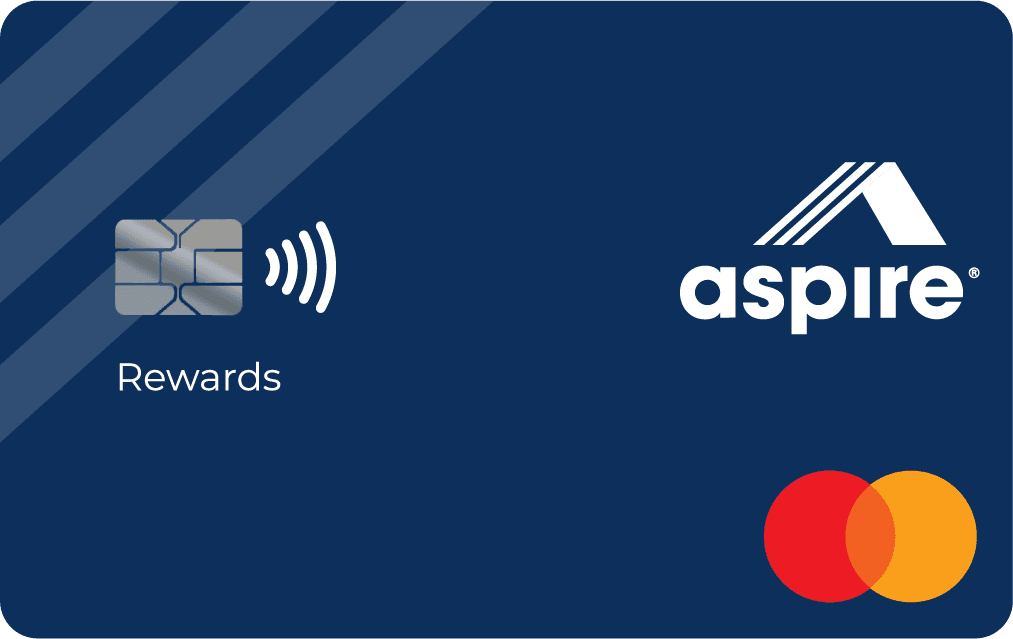
If the appeal of First Premier is skipping a deposit, the Aspire Mastercard is worth a look first. It is an unsecured card built for applicants who are still rebuilding, and it reports to all three bureaus while sidestepping the layered program and servicing charges that make First Premier so costly over a full year.
Aspire® Cash Back Rewards Mastercard
Aspire® Cash Back Rewards Mastercard
Aspire® Cash Back Rewards Mastercard. Prequalify* For Up To $1000 Credit Limit. No security deposit. Packed with great benefits, it’s designed to give you more flexibility and purchasing power, along with up to 3% cash back rewards!** Good anywhere Mastercard is accepted, it’s the go-to card for any lifestyle.
Standout feature
Up to 3% cashback rewards**
Fees
$85–$175 first year, $229 thereafter (maintenance fees already included)
Pros
No Deposit Required. Prequalify* for up to $1000 credit limit
Cons
High APR, 36% Fixed.
A Card You Can Qualify For Through Your Paycheck
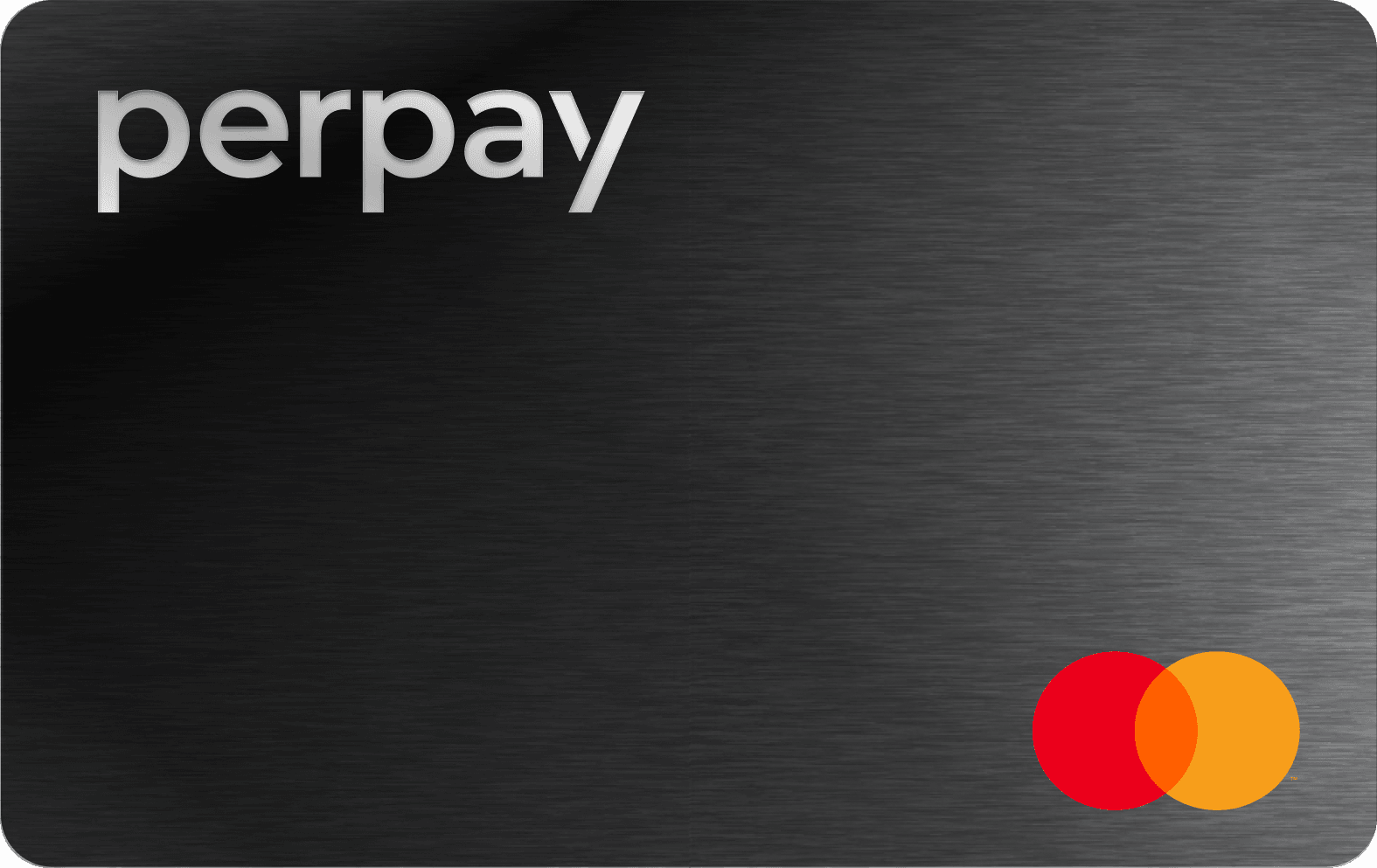
The Perpay Credit Card takes a different route to approval. Instead of leaning on your FICO score, it lets you build credit through purchases you pay off directly from your paycheck. For borrowers in the 500 to 620 range who keep getting denied, this paycheck-linked structure can be an easier door in than a traditional subprime card.
Perpay Credit Card
Perpay Credit Card
Meet the only card powered by your paycheck. With automatic transfers from your paycheck, you can manage payments stress-free and build credit with ease.
Fee
$9/month plus $9 account opening fee
APR
Marketplace: 0% / Credit Card: 27.74% to 29.99% depending on your creditworthiness.
Minimum Deposit Amount
$0
Credit Check
No
Cashback
2% reward on purchases made in Perpay Marketplace
Benefit
2% rewards, no security deposit
Get a Read on Your Approval Odds First
Before you trigger a hard pull anywhere, it helps to know where you actually stand. Creditship gives you a clearer picture of your credit profile and the products you are likely to qualify for, so you can avoid wasted applications and dings to your score chasing a card that was never going to approve you.
Creditship

Creditship
Get free credit monitoring and concrete advice how to improve your credit from Creditship AI.
Standout feature
AI Credit Coach. AI analyzes your credit report in depth and gives you tailored, actionable steps to raise your score.
Fees
Free
Pros
Free credit report access plus monitoring and alerts
Cons
No credit repair feature
Cheaper Alternatives That Approve the Same Borrowers
First Premier is rarely the only option, even if your score is in the 500s. Three lower-cost cards approve roughly the same applicant pool.
The OpenSky Secured Visa does not run a credit check, charges $35 a year, and requires a $200 refundable deposit. The deposit comes back when you close the account or graduate to an unsecured card. Read our OpenSky Credit Card review for the full breakdown. Total first-year cost: $35.
The Kikoff Secured Credit Card has a $0 annual fee, no minimum deposit, no interest, and reports to all three bureaus. Total first-year cost: $0.
The Self Visa Credit Builder Card requires a Self Credit Builder Account first, then unlocks an unsecured-style card backed by the savings you already accumulated. Total first-year cost: variable, but often under $30.
Across 12 months, those three cards combined cost less than First Premier's first year alone. For a broader shortlist that benchmarks fees, reporting practices, and graduation paths, our roundup of the best credit cards for rebuilding credit in 2026 compares the most common subprime options side by side.
When First Premier Still Makes Sense
First Premier can be the right call in two specific situations.
- You cannot fund a security deposit. Even $200 is sometimes out of reach. First Premier's unsecured structure means no deposit required.
- You were denied by every secured option. Some borrowers with very recent bankruptcies or open ChexSystems issues do get denied at OpenSky and Kikoff. First Premier's underwriting is one of the loosest in the industry.
If neither of those applies, the alternatives almost always come out cheaper.
Building Credit With First Premier
If you go forward with the card, the credit-building rules are the same as any other card.
- Use it for 5% to 10% of your credit limit each month.
- Pay the full balance before the statement closes.
- Avoid the credit limit increase fee unless your score has improved enough to qualify for a different unsecured card. Most people graduate off First Premier rather than upgrading within it.
- Set up auto-pay so a missed due date never reverses your score gains.
First Premier reports to Experian, Equifax, and TransUnion. With clean payments and low utilization, most borrowers see a 30 to 70 point score lift in 6 to 12 months.
When to Close the Card
Once your score crosses 640, apply for a regular unsecured card with no annual fee like Capital One Platinum or Discover it Secured. Once approved, decide whether to keep First Premier open for credit history reasons or close it to stop paying the monthly servicing fee.
Closing it will drop your average account age slightly. If the fees are eating $145 a year, closing is usually still the better math after year two.
Frequently Asked Questions
What credit score do you need for First Premier?
First Premier approves borrowers with FICO scores from roughly 500 to 620. There is no published minimum, and the bank often approves applicants with recent bankruptcies, charge-offs, or collection accounts.
Does First Premier have a hard or soft credit pull?
First Premier runs a hard credit check, which drops your score 5 to 10 points temporarily. The pre-approval mailers some borrowers receive use a soft check, but the actual application requires a hard pull.
How long does it take to get approved by First Premier?
Most applicants get an instant decision in 60 to 90 seconds. The card itself arrives in 7 to 10 business days. The annual fee is deducted from your credit limit immediately on approval.
Is First Premier worth it compared to a secured card?
For most borrowers, no. Secured cards like OpenSky, Kikoff, or Self cost $0 to $35 a year. First Premier costs $145 to $170 in the first year alone. The exception is borrowers who cannot fund a security deposit and have been denied elsewhere.

The Firstcard team writes simple, research-backed guides on credit, cards, and credit building. Firstcard has been helping people build credit and save money since 2020. Full profile and latest articles →