
You don't have to wait until your credit score bounces back to earn rewards. While traditional cashback cards demand excellent credit, plenty of issuers offer cards designed for people rebuilding credit that let you earn real cash back on everyday spending. The best bad-credit cashback cards deliver modest but meaningful rewards — 1% to 3% back — without requiring a perfect credit history. If you're in the FICO 580-650 range, these seven cards let you build credit and bank cashback at the same time. If you're not quite ready for these cards yet, Self's Credit Builder Account offers a good first step — pairing a secured card with a savings program that reports to all three bureaus. And if you need a card specifically for an unexpected auto bill, our guide to the best credit card for car repairs compares cards that offer deferred interest, longer 0% promos, and repair-shop rewards.
Aspire® Cash Back Rewards Mastercard
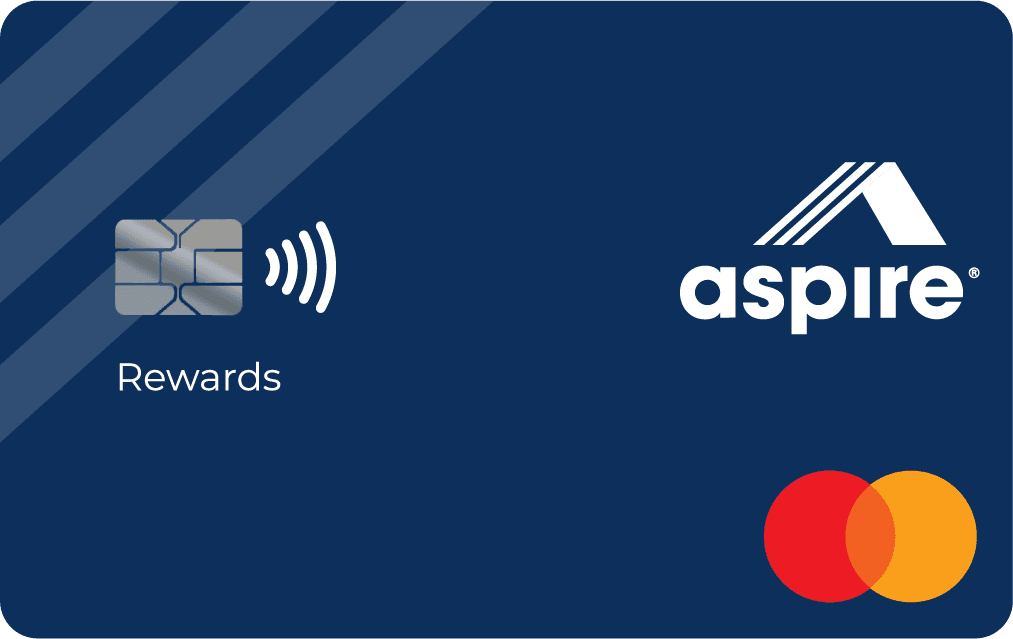
Aspire® Cash Back Rewards Mastercard
Aspire® Cash Back Rewards Mastercard. Prequalify* For Up To $1000 Credit Limit. No security deposit. Packed with great benefits, it’s designed to give you more flexibility—and purchasing power—along with up to 3% cash back rewards!** Good anywhere Mastercard is accepted, it’s the go-to card for any lifestyle.
Standout feature
Up to 3% cashback rewards**
Fees
$85–$175 first year, $229 thereafter (maintenance fees already included)
Pros
No Deposit Required. Prequalify* for up to $1000 credit limit
Cons
High APR, 36% Fixed.
Why Cashback Matters Even on a Starter Card
When you're rebuilding credit, every 1% to 3% of cash back adds up. Spend $2,000 a month on a card that earns 1.5% back, and you're looking at $360 in annual rewards—real money that can pay down balances or fund a small emergency fund. The catch: don't overspend just to chase rewards. Only apply for a card if you'll use it for purchases you'd make anyway, and commit to paying the balance monthly to avoid interest charges that dwarf any rewards earned.
What to Look For in a Bad-Credit Cashback Card
Not all bad-credit cards are created equal. When shopping for a starter cashback card, focus on these factors:
Approval odds. Bad-credit cards typically approve applicants with FICO scores as low as 580–620, though unsecured options often require at least 600. Secured cards (backed by a cash deposit) approve almost anyone because your deposit is your collateral.
Cashback structure. Some cards offer flat 1–2% on all purchases, while others earn 2–3% in specific categories (gas, groceries, dining) and 1% elsewhere. Flat-rate cards are simpler; category-based cards reward high-spending categories but require more tracking.
Caps and redemption. A few cards limit your quarterly cashback (e.g., 2% only on the first $1,000 spent in a category per quarter, then 1%). Check redemption minimums—some require you to redeem in $25 increments, while others let you redeem any amount.
Fees matter. Annual fees range from $0 to $85+. High monthly fees ($15/month or more) can erase years of cashback earnings. Compare the annual fee to your expected rewards: a $49 annual fee is worth it if you'll earn $200+ back, but not if you'll only earn $40. Once your score improves, compare your options against the highest cash back credit cards with no annual fee to see what you can graduate to.
Credit bureau reporting. Ensure the card reports to all three bureaus (Equifax, Experian, TransUnion) each month. Without reporting, you won't build credit as quickly.
Secured vs. unsecured. Secured cards require a cash deposit ($100–$500+) that becomes your credit limit; unsecured cards don't. Unsecured bad-credit cards carry higher fees and APRs to offset issuer risk, while secured cards are cheaper because your deposit protects the issuer.
The 7 Best Cash Back Credit Cards for Bad Credit
1. Aspire® Cash Back Rewards Mastercard
Rewards: 3% cash back on gas, groceries, and household utilities; 1% on all other eligible purchases.
Annual Fee: $85 first year, then $49 per year (plus $15 monthly fee after year one).
APR: 29.99%–36.00% (fixed).
Security Deposit: None; unsecured.
Credit Reporting: All three bureaus.
Aspire is one of the few unsecured cards that approves people with FICO scores in the 580–620 range and delivers genuine category rewards. The 3% on utilities is especially valuable if you're a renter paying high power bills. The trade-off is steep: the annual fee and monthly charges are high, and the APR is brutal. Use this card only if you'll pay the balance in full every month and keep your utilization low. Redeem cashback automatically to your statement or wait for periodic payout windows.
Perpay Credit Card
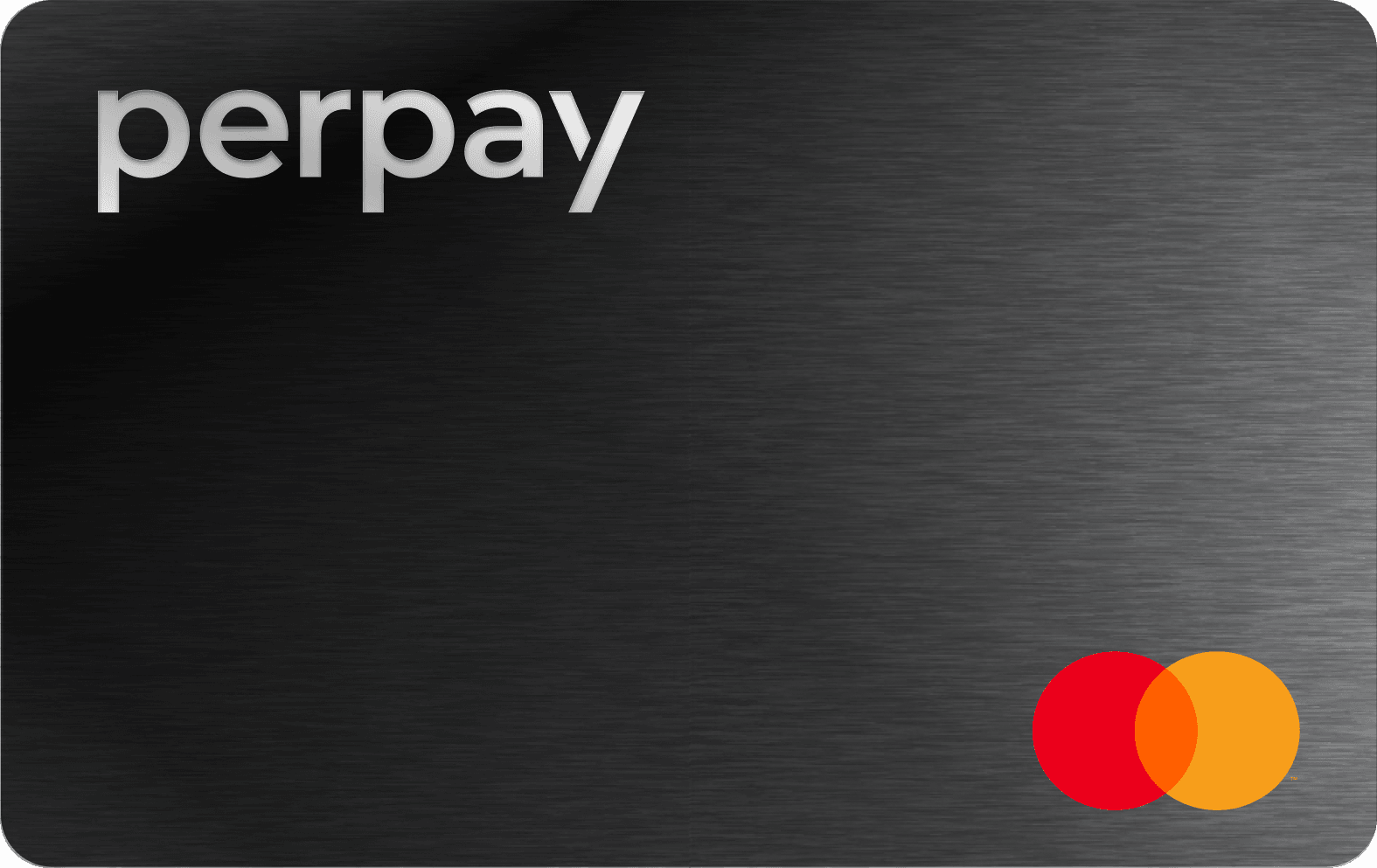
Perpay Credit Card
Meet the only card powered by your paycheck. With automatic transfers from your paycheck, you can manage payments stress-free and build credit with ease.
Fee
$9/month plus $9 account opening fee
APR
Marketplace: 0% / Credit Card: 27.74% to 29.99% depending on your creditworthiness.
Minimum Deposit Amount
$0
Credit Check
No
Cashback
2% reward on purchases made in Perpay Marketplace
Benefit
2% rewards, no security deposit
2. Perpay Credit Card
Rewards: 2% back on all payments (converted to Perpay marketplace credits; not traditional cash back). As of March 2024, new Perpay Credit Card accounts earn 2% back (previously 3% for accounts opened before 3/29/2024).
Annual Fee: $0, but $9 monthly account service fee + $9 opening fee ($117 first year).
APR: Variable.
Security Deposit: None; unsecured.
Credit Reporting: All three bureaus.
Perpay stands out for its 2% rewards rate and no annual fee—but there's a catch. Your rewards are stored as credits usable only at the Perpay Marketplace, not as cash back you can transfer anywhere. This marketplace-credits limitation is a key restriction: you cannot redeem rewards as true cash back. If you shop regularly at Perpay (fashion, electronics, home goods), this is a solid choice. Otherwise, the lack of true cashback redemption limits its appeal. The monthly service fee ($9) stacks up, but it's part of Perpay's broader credit-building model.

3. OpenSky® Secured Visa®
Rewards: The standard OpenSky Secured Visa does not include a traditional rewards program. However, cardholders can activate optional merchant-specific offers through the OpenSkyCC Rewards program — up to 10% at 40,000+ participating retailers — but these must be opted into per-offer and aren't automatic cash back.
Annual Fee: $35.
APR: Variable.
Security Deposit: Required; typically equals your credit limit ($200–$3,000).
Credit Reporting: All three bureaus.
OpenSky rewards are merchant-specific and optional: you must opt into the OpenSkyCC Rewards program and activate offers for each retailer to earn statement credits. The up to 10% is rare and valuable when available, but you must actively track which merchants participate and which offers you've activated. Unlike flat-rate cards, you earn nothing on everyday purchases outside the program unless you've enrolled in specific partner offers. The $35 annual fee and security deposit make this a longer-term play. Best for: people committed to shopping at major retailers (Whole Foods, Best Buy, Target, gas stations) within the OpenSky rewards network and willing to manage opt-in offers.
4. Discover it® Secured Credit Card
Rewards: 2% cash back at gas stations and restaurants (up to $1,000 combined per quarter, then 1%); 1% on all other purchases. First-year Cashback Match: Discover matches all cash back earned in your first 12 months.
Annual Fee: $0.
APR: 16.99%–29.99% (variable, typically lower than subprime unsecured cards).
Security Deposit: Required; typically $200–$2,500, becomes your credit limit.
Credit Reporting: All three bureaus.
Discover it Secured is a top pick for bad-credit cashback: no annual fee, real cashback (not marketplace credits), and the Cashback Match bonus instantly doubles your year-one earnings. You earn up to $20 back per quarter on the capped categories (vs. unlimited 1% elsewhere), then 1%. After 12 months of on-time payments, you're eligible for an automatic credit limit increase and potential upgrade to unsecured status. Best for: first-time card users focused on gas and dining; the $0 annual fee and Cashback Match offer real value.
5. Capital One Quicksilver Secured Cash Rewards Credit Card
Rewards: 1.5% flat cash back on all purchases; 5% on hotels, vacation rentals, and rental cars booked through Capital One Travel.
Annual Fee: $0.
APR: 18.90%–29.99% (variable).
Security Deposit: Required; typically $200–$2,500, becomes your credit limit.
Credit Reporting: All three bureaus.
Capital One Quicksilver Secured offers the simplicity of flat-rate rewards (no categories to track) combined with no annual fee and no foreign transaction fees. The 1.5% rate is middle-of-the-road for bad-credit cards but consistent across all spending. Travel perks (5% on bookings through Capital One Travel) are a nice bonus if you take vacations. Like Discover it Secured, this card can graduate to unsecured status after 6+ months of responsible use. Best for: people who want straightforward, category-free cashback without annual fees.
6. OneMain Financial BrightWay® Card
Rewards: 1% cash back on all eligible purchases.
Annual Fee: $0.
APR: 27.99%–35.99% (variable).
Security Deposit: None; unsecured.
Credit Reporting: All three bureaus.
BrightWay is an unsecured alternative for people who can't put down a security deposit but still want entry-level cashback. The 1% flat rate is modest, and the high APR is a downside, but the card approves a wide range of credit profiles and reports to all three bureaus. No annual fee keeps costs down. Best for: budget-conscious borrowers who prefer unsecured cards and don't mind a lower rewards rate in exchange for simplicity.
7. Capital One Platinum Secured Credit Card
Rewards: None; no cashback, points, or bonuses.
Annual Fee: $0 (sometimes $39 after first year, depending on creditworthiness and issuer discretion).
APR: 26.99% (fixed).
Security Deposit: As low as $49, becomes your credit limit.
Credit Reporting: All three bureaus.
Capital One Platinum doesn't offer rewards, but it deserves a mention because it's one of the easiest cards to qualify for (deposits start at just $49) and it has no annual fee. Use this as a pure credit-building tool if you can't qualify for or afford other secured cards. After 6+ months of on-time payments, you may qualify for a credit limit increase without additional deposits. Best for: absolute-beginner credit rebuilders with under $100 to spare; pair it with a rewards card elsewhere if you want cashback.
Cashback Comparison Table
Here's a quick side-by-side of rewards, fees, and deposit requirements:
| Card | Cashback Rate | Annual Fee | Deposit | Best For |
|---|---|---|---|---|
| Aspire® Cash Back Rewards Mastercard | 3% (utilities/gas/groceries), 1% other | $85 yr + $15 mo | None | Category spenders; willing to pay fees for rewards |
| Perpay Credit Card | 2% (marketplace credits only) | $0 + $9 mo fee | None | Shoppers at Perpay retailers |
| OpenSky® Secured Visa® | Up to 10% (select merchants, opt-in) | $35 | $200–$3K | Strategic shoppers at partner retailers |
| Discover it® Secured | 2% (gas/restaurants), 1% other | $0 | $200–$2.5K | First-time rewards users; gas/dining spenders |
| Capital One Quicksilver Secured | 1.5% flat | $0 | $200–$2.5K | Simplicity seekers; consistent spenders |
| OneMain BrightWay® Card | 1% flat | $0 | None | Budget-conscious; unsecured preference |
| Capital One Platinum Secured | None | $0 | $49+ | Pure credit-builders on tight budgets |
How to Maximize Cashback on Bad-Credit Cards
Put recurring bills on your card. Utilities, groceries, and gas are everyday expenses. Charging them to a card earning 2–3% converts invisible spending into real rewards. Just avoid overspending on categories because of the rewards—a 3% bonus on $500 in extra groceries costs you far more than the $15 you'd earn back.
Keep your utilization low. Credit utilization (the percentage of your limit you're using) is the second-most important factor in your credit score (after payment history). Use 10–30% of your limit and pay it down monthly. A $500 limit should carry no more than $50–$150 in any statement.
Automate payments. Set up automatic minimum payments (or full-balance payments, ideally) so you never miss a due date. Late payments erase months of credit-building progress and trigger credit score drops of 50–100+ points.
Monitor your statement monthly. Check for errors, unauthorized charges, and to spot your cashback earned. Some cards batch cashback quarterly or require redemption; staying aware keeps rewards from expiring.
Avoid closing the card after graduation. Once you upgrade to an unsecured card or improve your credit, resist the urge to close the old secured card. Closing it shrinks your available credit and harms your utilization ratio. Instead, keep it open with minimal or zero balance to preserve your credit history and available credit.
When to Upgrade to a Better Cashback Card
Your bad-credit card is a stepping stone. After 6–12 months of on-time payments and a rising credit score, you'll qualify for better rewards cards.
After 6 months: Many secured cards (Discover it Secured, Capital One Quicksilver Secured) offer automatic upgrades to unsecured status if you maintain a perfect payment history. At that point, you'll often see your credit limit increase and the security deposit returned.
After 12 months: Your credit score will likely improve 30–100+ points. This opens doors to fair-credit cards with better rewards: Citi Custom Cash (5% in top category), Capital One Savor Secured (3% dining/groceries), or even entry-level travel cards. You might also qualify for standard Quicksilver (1.5%, no deposit) or Discover it Cash Back with rotating categories (5% in rotating categories).
After 18–24 months: With consistent on-time payments and improving utilization, you may reach "good credit" (FICO 670–739). At that point, flagship cashback cards open up: Chase Freedom, Citi Double Cash (2% all purchases), Amex Blue Cash Everyday (3% groceries, 1% other), and premium travel cards with sign-up bonuses.
Graduation paths: Each issuer tends to approve you for better cards within their own family. If you're using Discover it Secured, look to upgrade to Discover it Cash Back. Capital One Quicksilver Secured cardholders often qualify for standard Capital One Quicksilver. Build a relationship with an issuer, and upgrading becomes smoother.
FAQ: Cashback on Bad-Credit Cards
Which bad-credit card has the highest cashback rate? Aspire® Cash Back Rewards Mastercard tops out at 3% on utilities, gas, and groceries—the highest among unsecured bad-credit cards. OpenSky® Secured Visa® can reach up to 10% on select merchants via opt-in offers, but only if you shop at participating retailers and activate specific offers. For flat-rate consistency, Perpay (2%, though marketplace-only) and Discover it® Secured (2% on gas/restaurants, 1% else) are solid.
Do secured cards offer rewards? Yes, several do. Discover it® Secured, Capital One Quicksilver Secured, and OpenSky® Secured all offer cashback or rewards. Capital One Platinum Secured does not. Check the specific card's rewards program before applying.
Does earning cashback hurt my credit? No. Earning and redeeming rewards doesn't directly impact your credit score. However, overspending to chase rewards can increase your utilization ratio (a negative factor). Spend responsibly, keep utilization under 30%, and focus on on-time payments—the biggest credit-builder available.
When do I get my cashback? It depends on the card. Most deposit cashback monthly or quarterly to your account or as a statement credit. Perpay stores rewards as marketplace credits. OpenSky credits appear as statement credits within 120 days. Check your card's terms for redemption timing.
Do bad-credit cashback cards have sign-up bonuses? Rarely. Bad-credit cards usually skip sign-up bonuses to keep costs (and risk) low. Fair-credit and good-credit cards are where you'll find $150–$500 intro bonuses. However, Discover it® Secured offers a Cashback Match—doubling your year-one earnings—which effectively functions as a generous bonus.
Can I pay down my secured deposit faster to improve my credit limit? Some issuers allow you to increase your deposit (and thus your credit limit) without a hard pull. A higher limit lowers your utilization ratio, boosting your credit score. Ask your issuer about this option after 6–12 months of good history.
Bottom Line: Build Credit and Earn Rewards
Rebuildable credit doesn't mean sacrificing rewards. Each of these seven cards lets you earn cashback while proving to lenders that you're a responsible borrower. Start with Discover it® Secured or Capital One Quicksilver Secured (both $0 annual fee, strong rewards) if you can put down a deposit, or Aspire® Cash Back Rewards Mastercard if you need unsecured approval. Use your card for recurring expenses, pay your balance in full monthly, and watch your credit improve while your cashback earnings stack up.
After 6–12 months, you'll graduate to better rewards. Thousands of cardholders have rebuilt their credit from the 580s into the 700s using starter cards like these. Rewards are the cherry on top—your real win is a credit score that opens doors to better rates on mortgages, auto loans, and future credit cards.
Ready to explore the full range of options? Check out our full list of best credit cards for bad credit for more details, comparison tools, and personalized recommendations. Once you're ready to upgrade, head to our guide on how credit card rewards work to maximize your future cashback potential.




