If your credit score sits somewhere between 580 and 669, you're in the fair credit range, and that's actually good news. You're past the "poor credit" category, which means you have more credit card options available to you. The trick is knowing which cards will work for your situation and how to use them to keep climbing toward "good" credit and beyond.
Understanding Fair Credit
Fair credit means you've had some credit history, but there may be some blemishes. Late payments, high balances, or collections accounts might be dragging your score down. The good news is that fair credit isn't the end of the road, it's a stepping stone. Lenders see you as medium-risk, and with the right card and responsible use, you can move into the good credit range (670+) within a year or two.
For a deeper explainer on this tier specifically — what counts, what you can qualify for, and why scores stall there — read our breakdown of what a fair credit score is. To understand what constitutes fair credit compared to other ranges, explore credit score ranges and what is a good credit score.
Our Top 5 Picks
With fair credit (580-669), you have real options. These five cards accept fair credit applicants and give you the best path toward good credit within a year.
Aspire® Cash Back Rewards Mastercard | No security deposit | Standout benefit: Prequalify for up to $1,000 credit limit with up to 3% cash back rewards. Best for: fair credit holders who want an unsecured card with real rewards and no deposit required.
Perpay Credit Card | Monthly cost: $9/month plus $9 account opening fee | Standout benefit: 32-point average score increase in the first 3 months, no hard credit check. Best for: fair credit holders who want paycheck-linked automatic payments and fast credit score gains.
Self Visa® Credit Card | Annual fee: $25 (first year: $0) | Standout benefit: High approval rates, even for thin credit files. Best for: fair credit holders who want a trusted card that reports to all three bureaus.
OpenSky Secured Visa | Annual fee: $35 (as of April 2026) | Standout benefit: No credit check, guaranteed approval with a cash deposit. Best for: fair credit holders who want a secured card with zero risk of rejection.
Kikoff Secured Credit Card | Monthly cost: starting at $5/month (as of April 2026) | Standout benefit: Low ongoing cost with consistent credit bureau reporting. Best for: fair credit users who want minimal fees while building a solid payment history.
Terms and conditions apply. APRs vary by creditworthiness.
Aspire® Cash Back Rewards Mastercard
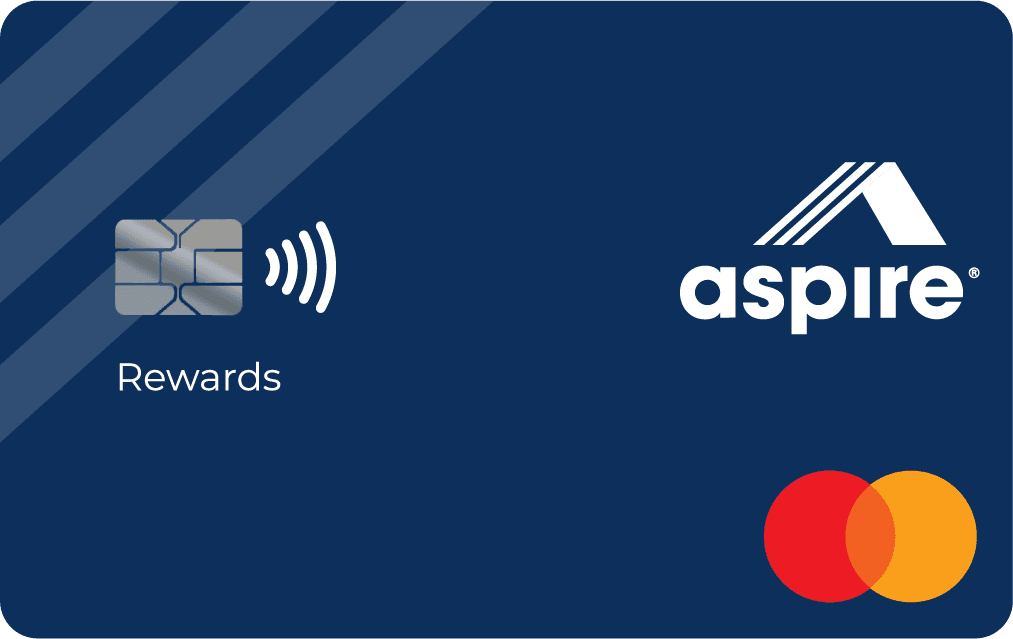
Aspire® Cash Back Rewards Mastercard
Aspire® Cash Back Rewards Mastercard. Prequalify* For Up To $1000 Credit Limit. No security deposit. Packed with great benefits, it’s designed to give you more flexibility—and purchasing power—along with up to 3% cash back rewards!** Good anywhere Mastercard is accepted, it’s the go-to card for any lifestyle.
Standout feature
Up to 3% cashback rewards
Fees
$49 to $175; after that $0 to $49 annually; - $60 to $159 annually billed at $5 to $12.50 per month after the first year.
Pros
No Deposit Required. Prequalify for up to $1000 credit limit
Cons
High APR. 25.74% to 36%, based on your creditworthiness.
Perpay Credit Card
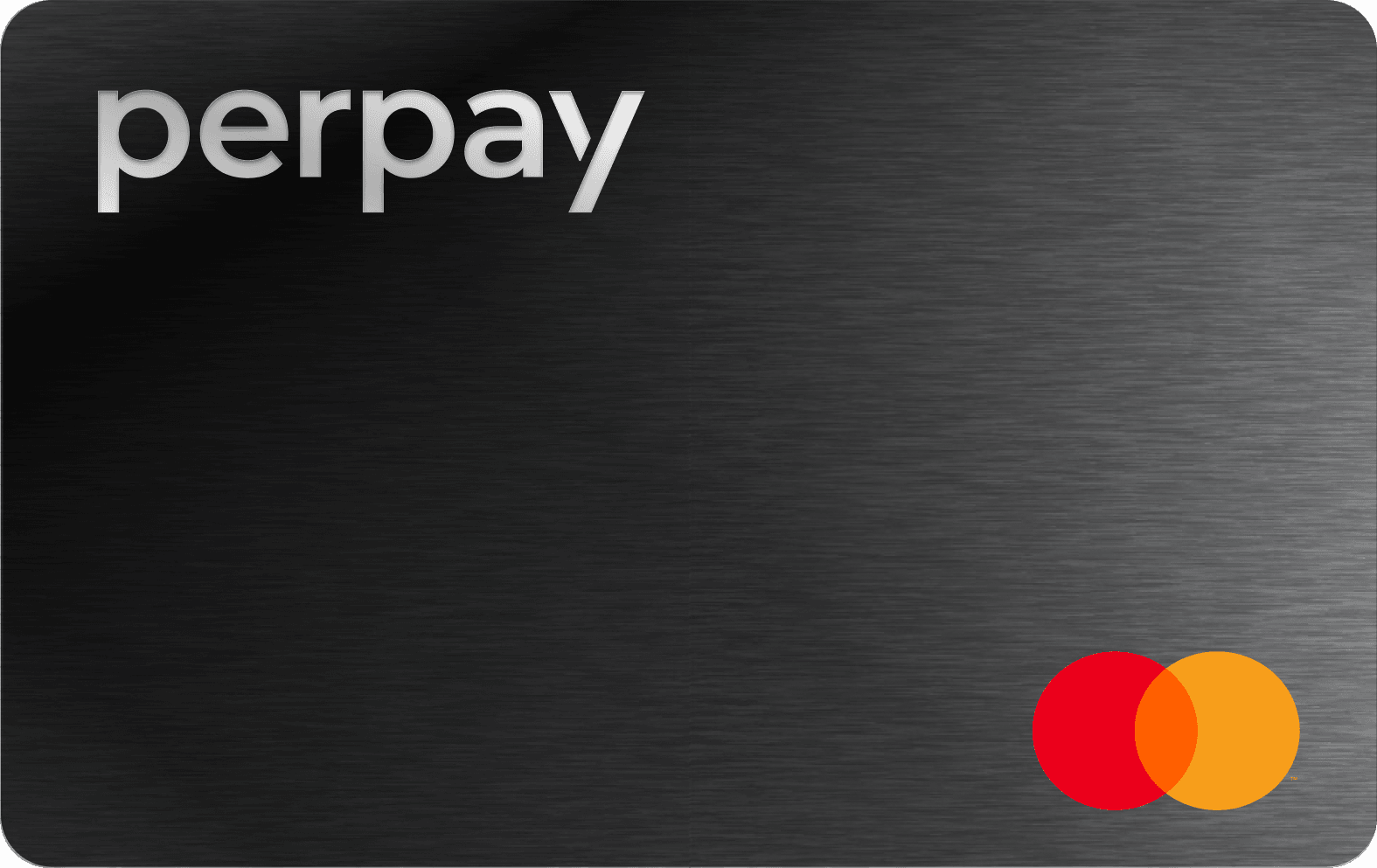
Perpay Credit Card
Meet the only card powered by your paycheck. With automatic transfers from your paycheck, you can manage payments stress-free and build credit with ease.
Fee
$9/month plus $9 account opening fee
APR
Marketplace: 0% / Credit Card: 27.74% to 29.99% depending on your creditworthiness.
Minimum Deposit Amount
$0
Credit Check
No
Cashback
2% reward on purchases made in Perpay Marketplace
Benefit
2% rewards, no security deposit


Kikoff Secured Credit Card
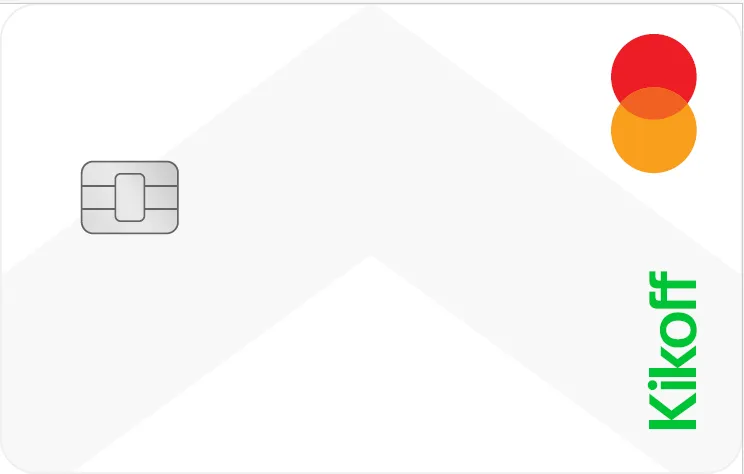
Kikoff Secured Credit Card
Kikoff Secured Credit Card works like a debit card & checking account and performs like a credit builder. Build credit with your everyday purchases.
APR
0%
Minimum Deposit Amount
$0
Credit Check
No
Cashback
Yes
Benefit
0% interest. No credit check.
What to Look for in a Fair Credit Card
Start with the annual fee. If you're paying to use a card, make sure it's worth it, look for cards with no annual fee or fees under $75. Check the APR (your interest rate), but remember: if you pay your full balance each month, APR doesn't matter. Rewards or cashback are bonuses, not the focus. Most importantly, make sure the card reports to all three credit bureaus so your responsible use actually helps your score.
Learn more about secured vs unsecured credit cards to find the best fit.
Types of Cards Available
With fair credit, you have options. Secured cards require a cash deposit but graduate to unsecured cards after good behavior. Unsecured cards designed for fair credit have no deposit but may carry higher fees or lower credit limits. Store cards are sometimes easier to get approved for, but they typically have high APRs and limited use. Most people with fair credit can qualify for at least one unsecured card, so don't automatically default to secured.
Want to know how to get approved with fair credit? Check out our guide on how to get a credit card with bad credit.
Improve from Fair to Good
Getting a card is half the battle; using it wisely is the other half. Keep your balance under 30% of your credit limit, this shows lenders you're not desperate for credit. Pay at least the minimum on time every month (autopay helps). If you have old negative marks, time is your ally. The older they get, the less they impact your score. Within 12-24 months of responsible card use, you could see a meaningful jump.
Understanding what credit score you need for a credit card helps you pick cards realistic for your situation.
Maximize Your Approval Odds
Apply strategically. Don't apply for multiple cards in a short time, each application triggers a hard inquiry that dings your score a bit. Space out applications by at least 3-6 months. When you do apply, choose cards that explicitly accept fair credit applicants. Read reviews to see if others in your credit range got approved. And finally, only apply for cards you actually plan to use regularly.
Fair credit is more flexible than you might think, and getting the right credit card is a smart move. Focus on finding a card with reasonable terms and no annual fee, then use it consistently and responsibly. Every on-time payment builds your history, and every month with a low balance strengthens your profile. Before you know it, you'll have the good credit score you're working toward.
FAQ
What credit score do I need to qualify for a fair credit card?
Cards designed for fair credit typically accept scores in the 550-669 range. Some may go slightly lower or higher depending on the issuer.
Can I get a credit card with fair credit and no annual fee?
Yes. Many unsecured cards for fair credit have zero annual fees. Always verify this before applying, as some issuers charge $35-$75 upfront.
How quickly will my score improve with a new fair credit card?
You should see small improvements in 3-6 months. Meaningful jumps (50+ points) typically take 12-24 months of consistent on-time payments.
Should I apply for multiple cards at once to improve my chances?
No. Each application triggers a hard inquiry that temporarily lowers your score. Apply for one card, wait 3-6 months, then apply for another if needed.
What's the biggest mistake people with fair credit make?
Carrying high balances or missing payments. You're building trust with lenders, prove you're responsible by keeping balances low and paying on time every month.