
If you just walked across the graduation stage, your credit file is probably thin: maybe an authorized-user history, maybe a student loan, maybe nothing at all. Picking the right first credit card after college matters because it shapes your credit limits, APR, and rewards potential for the next decade.
This guide covers the best credit cards for recent graduates in 2026, broken down by starting credit profile and income. (For a deeper look at building a positive credit file without ever paying interest, see our guide on how to build credit without going into debt.)
What Lenders See on a Recent Graduate
A typical recent graduate looks like this to a credit issuer:
- 12 to 36 months of credit history (often as an authorized user on a parent's card or a student loan)
- FICO score between 620 and 720, depending on payment history
- Income at the start of a first full-time job ($45,000 to $80,000 in most metros)
- High debt-to-income ratio if student loans are large
Issuers are surprisingly willing to approve recent graduates because the long career runway means high lifetime customer value. The trick is matching the card to your starting profile so you do not get declined and burn a hard inquiry.
Our Top 5 Picks for Recent Graduates
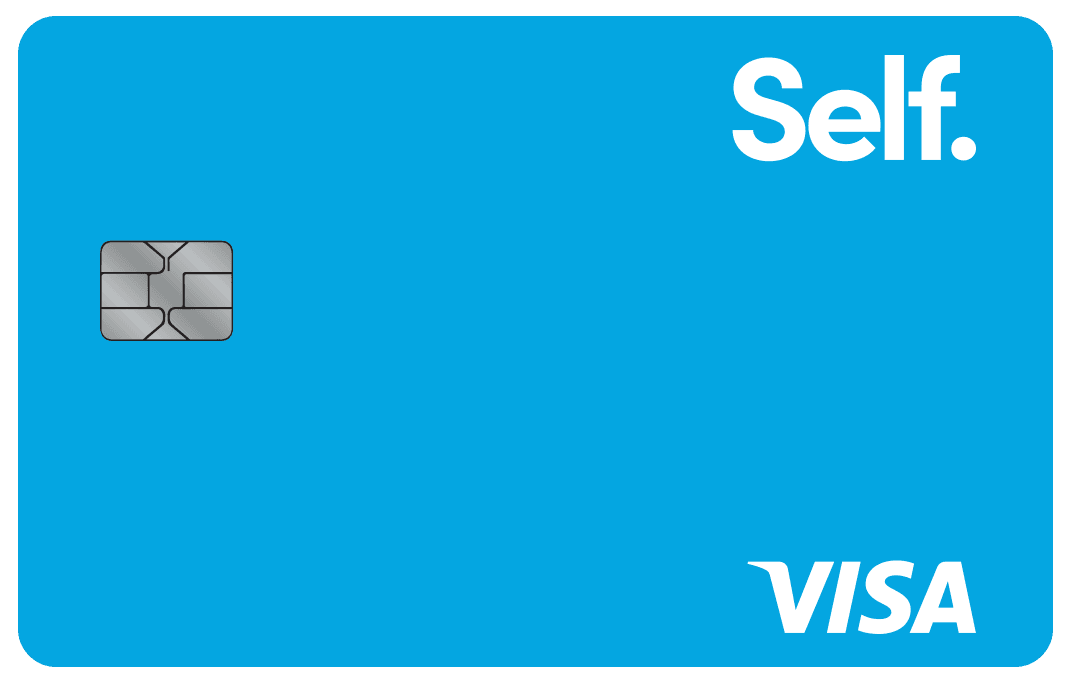
1. Self Visa® Credit Card, Best for Building Credit From Zero
The Self Visa® Credit Card is the right pick if you have no credit history and want to start with a card that has a near-guaranteed path to a higher limit. It pairs with a credit-builder savings account, has high approval rates, and reports to all three bureaus.
Annual fee: $25 ($0 first year). Standout benefit: Limit grows with your savings. Best for: Graduates with no credit file and no credit history yet.
2. Current Build Card, Best No-Credit-Check Option
The Current Build Card has no annual fee, no APR, no credit check, and no minimum deposit. It earns 1 point per dollar on dining and groceries.
Annual fee: $0. Standout benefit: No credit check needed and reports to all three bureaus. Best for: Graduates who want to skip the security-deposit step entirely.
3. Capital One Quicksilver Student Cash Rewards, Best for Cash Back
If you graduated in the last six months and your student email still works, you may qualify for the Capital One Quicksilver Student or the Discover it® Student Cash Back. Both offer 1.5% to 5% cash back, no annual fee, and student-friendly approval. The student card upgrades automatically to the standard Quicksilver after you graduate.
Annual fee: $0. Standout benefit: 1.5% cash back on all purchases. Best for: Recent graduates with at least 12 months of authorized-user or student-loan credit history.
4. Discover it® Student Cash Back, Best for Rotating Categories
The Discover it® Student Cash Back gives 5% on rotating quarterly categories (groceries, restaurants, gas, Amazon) up to a quarterly cap, and 1% on everything else. Discover matches all cash back the first year, doubling effective rewards. For the exact application steps and what to do if denied, see our how to apply for the Discover Student Credit Card walkthrough.
Annual fee: $0. Standout benefit: First-year cash-back match doubles every dollar earned. Best for: Graduates willing to track rotating categories.
5. OpenSky, Best No-Credit-Check Backup
If your authorized-user history was cleared and you have no real credit file, OpenSky does not run a credit check at all. A $200 minimum deposit becomes your credit limit. Pay on time for 6 months and you can usually upgrade to an unsecured card.
Annual fee: $35. Standout benefit: No credit check. Best for: Graduates whose authorized-user history did not transfer or who have a thin file.
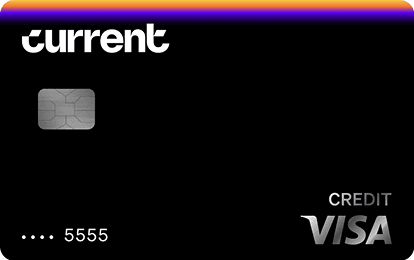
If you would rather build credit through your everyday spending account than open a separate secured card, the Current Build Card is one of the cleanest options for a new graduate. The Current Build Card has no credit check and reports to all three bureaus, so your first paychecks can start shaping your credit file the moment your first job begins.
Current Build Card
Current Build Card
$0 annual fee. No minimum deposit required. No credit check required. 1 point per dollar on eligible categories. Reports to Experian, TransUnion, Equifax.
Fee
$0
APR
0%
Minimum Deposit Amount
$0
Credit Check
No
Cashback
1 point/dollar on eligible categories (with qualifying payroll deposit)
Benefit
No credit check, no deposit minimum
How to Choose Between Them
Quick decision guide:
- No credit history at all → Self Visa or Current Build Card.
- Authorized-user history of 12+ months → Capital One Quicksilver Student or Discover it® Student.
- Recent dings or thin file → OpenSky.
- Already have a 700+ FICO → Capital One Quicksilver (no student version) or Chase Freedom Unlimited.
The biggest mistake recent graduates make is applying for a premium card (Chase Sapphire, Amex Gold) before their FICO score has matured. The decline costs a hard inquiry and the card would have been approved 6 to 12 months later anyway.
Once you've spent your first 12 to 18 months in a starter job and your score has matured, our broader best credit cards for young professionals (2026) roundup compares the next-tier rewards picks against credit builders so you can plan the upgrade with eyes open.
If you bank with SoFi (or are considering it), the SoFi Essential Credit Card review covers a no-deposit credit-builder card that's currently invitation-only and explains the public-application alternatives that make sense in the meantime.
Want Rewards While Your File Is Still Young?
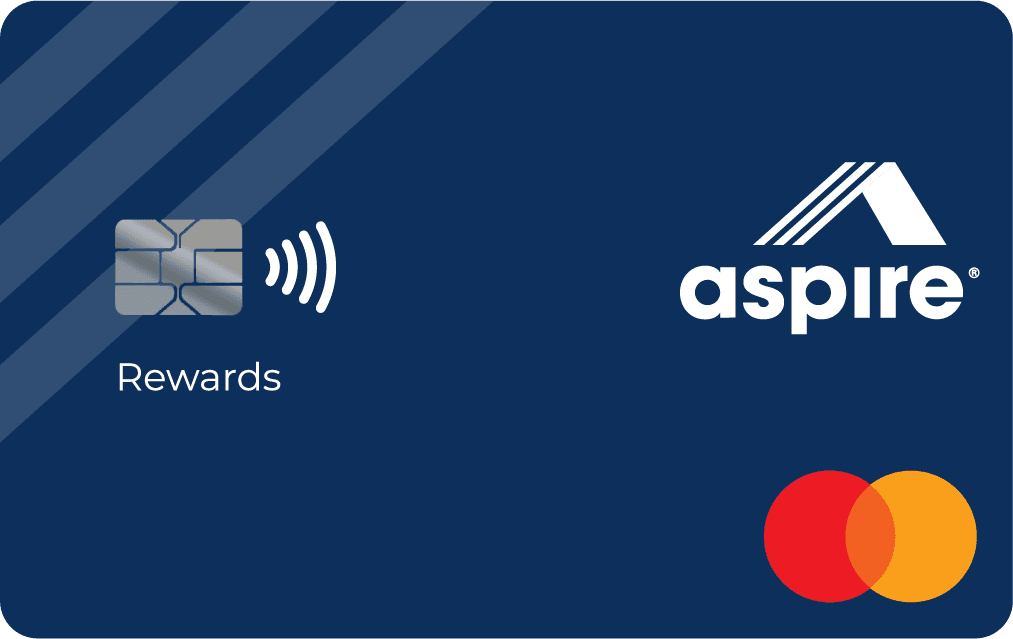
If you want to earn cash back during the rebuilding stretch without putting down a deposit, the Aspire Mastercard is a solid middle option for graduates. The Aspire Mastercard offers cash back without a security deposit and is built for fair-credit applicants, so it fits the gap between a pure builder card and a premium rewards card your score is not ready for yet.
Aspire® Cash Back Rewards Mastercard
Aspire® Cash Back Rewards Mastercard
Aspire® Cash Back Rewards Mastercard. Prequalify* For Up To $1000 Credit Limit. No security deposit. Packed with great benefits, it’s designed to give you more flexibility—and purchasing power—along with up to 3% cash back rewards!** Good anywhere Mastercard is accepted, it’s the go-to card for any lifestyle.
Standout feature
Up to 3% cashback rewards**
Fees
$85–$175 first year, $229 thereafter (maintenance fees already included)
Pros
No Deposit Required. Prequalify* for up to $1000 credit limit
Cons
High APR, 36% Fixed.
How to Use Your First Card to Build Credit Fast
Three rules:
- Keep utilization below 10%. A $1,000 limit means keep the balance under $100. This single change can lift a score 30 to 50 points.
- Pay the statement balance in full every month. This avoids interest and signals to the bureaus that you can manage credit.
- Set up autopay. Even one 30-day-late payment can drop your score 60 to 100 points right when you are trying to build it.
After 12 months of on-time payments and low utilization, most graduates qualify for a no-fee rewards card with a higher limit.
What About a Credit-Builder Loan in Parallel?
Stacking a credit-builder loan alongside your first card adds installment-loan history to your file. The credit-mix factor is small but real, and the on-time payments reinforce score growth.
The Self.Inc: Credit Builder Account puts $25 to $150 a month aside, builds savings, and reports as installment loan history. The Kikoff Credit Account is a 0% interest alternative.
Free Monitoring While You Build
Creditship is a free credit-monitoring tool that gives concrete next-step advice. Creditship pairs well with the starter cards above, turns your bureau data into plain next steps, and helps you spot issues early so a new graduate can watch each on-time payment move the score.
Creditship

Creditship
Get free credit monitoring and concrete advice how to improve your credit from Creditship AI.
Standout feature
AI Credit Coach. AI analyzes your credit report in depth and gives you tailored, actionable steps to raise your score.
Fees
Free
Pros
Free credit report access plus monitoring and alerts
Cons
No credit repair feature
Frequently Asked Questions
What is the best credit card for a recent college graduate?
It depends on your starting credit. With no history, the Self Visa® Credit Card or Current Build Card. With 12+ months of authorized-user or student-loan history, the Capital One Quicksilver Student or Discover it® Student Cash Back. With a 700+ FICO, the Capital One Quicksilver or Chase Freedom Unlimited.
Can I get a credit card without a job after graduation?
Yes. You can list income from a side hustle, freelance work, or any household income you have access to. Many starter cards do not require a high income, and several (Self Visa, OpenSky, Current Build Card) do not require a credit check.
How many credit cards should a recent graduate have?
One is enough for the first 6 to 12 months. After a year of on-time payments, adding a second card can help lower overall utilization and round out your credit mix. Avoid applying for more than two new cards in a 12-month window to keep hard inquiries down.
When can I upgrade to a premium card after graduating?
Most graduates qualify for a premium card (Chase Sapphire Preferred, Amex Gold, Capital One Venture) 18 to 24 months after their first card if they have kept utilization low, paid on time, and built a 720+ FICO score.



