
Building Credit With the Right Credit Card
Using a credit card strategically is one of the fastest ways to build your credit score. The key word is "strategically." Simply having a card doesn't help, but using one responsibly can move your score significantly in months, not years.
Credit cards help because they demonstrate your ability to borrow money and repay it on time. Unlike savings accounts, credit cards create a public record of your financial responsibility that credit bureaus track. When you pick the right card for your situation and use it correctly, results come quickly.
How Credit-Building Cards Work
Credit-building cards are specifically designed to help people improve their credit. Most require a cash deposit that becomes your credit limit, which protects the issuer if you can't pay. This security makes approval possible for people with no credit or poor credit.
Here's the magic: every purchase and payment gets reported to the three major credit bureaus. This reporting is what builds your credit history. Cards that don't report to bureaus won't help your score, so always verify a card's reporting status before applying.
Your credit score improves through consistent on-time payments, low credit utilization, and account age. Using a credit-building card teaches you these habits while proving your creditworthiness. Most people see score improvements of 50-100 points within the first few months.
Best Secured Credit Cards to Build Credit
Secured cards are the most accessible option for credit builders. They require a deposit, usually between $200 and $2,500, that protects the issuer. Your credit limit matches your deposit, so you control your borrowing capacity.
Firstcard is purpose-built for credit building and offers a superior experience compared to generic secured cards. The application is quick, and the deposit requirements are reasonable. Most importantly, Firstcard is transparent about how your credit card usage helps your score. You get clear feedback as your credit improves, not just a mysterious number.
Self Visa® Credit Card is a strong option if you want a credit builder card backed by a dedicated credit-building company. Self reports to all three bureaus and offers a straightforward path from secured to unsecured credit. Read the full Self Credit Builder Card review for a detailed breakdown.
OpenSky Secured Visa doesn't require a bank account or credit check, making it one of the most accessible secured cards on the market. It reports to all three bureaus and has no hidden fees. See our OpenSky review for the full details.
Capital One Secured Card is widely available and reports to all three bureaus. It has reasonable fees and offers potential deposit refunds and credit limit increases after responsible usage. Capital One is established and stable, so you know the company will be around to report your positive history.
Discover it Secured is excellent if you want rewards alongside credit building. You earn cash back on purchases, so responsible usage literally pays you. Discover reports to all three bureaus and reviews accounts for potential graduation to unsecured status.
Current Build Card stands out with $0 annual fee, 0% APR, no minimum deposit, and no credit check required. It also earns 1 point per dollar on dining and groceries while reporting to all three bureaus.


Best Unsecured Cards for Building Credit
Once your credit improves, unsecured cards become available. These require no deposit and offer better rewards and terms than secured options. However, approval still depends on your credit profile.
Discover it Student Cash Back works for students with limited credit history. It offers rewards without an annual fee and no deposit requirement. Discover is known for approving students with thin credit files.
Capital One Quicksilver Student is another student option with rewards and flexible approval standards. The cash back rewards increase as your creditworthiness improves, incentivizing continued responsible usage.
Petal 2 uses alternative data to approve people with limited credit history, checking bank activity instead of traditional credit scores. This opens doors for people who can't qualify for mainstream cards. The card also offers no rewards, which keeps your usage focused on building credit rather than chasing points.
For people rebuilding after poor credit, Credit One Bank Visa approves qualified applicants even with recent negative marks. It's not the best card long-term, but it can provide a stepping stone when other unsecured options aren't available yet.
Pair Your Card With a Credit Builder Loan
For the fastest credit improvement, pair a secured credit card with a credit builder loan. This builds both revolving credit (card) and installment credit (loan) at the same time, which diversifies your credit mix.
Kikoff offers a credit builder loan alongside tools to lower debt and track progress. It's an all-in-one credit-building app that complements your card nicely. Read our Kikoff review for details on how it works.
Ava Finance provides both a Credit Builder Card and a Credit Builder Loan from a single platform, so you can build both types of credit at once. See our Ava review for a full breakdown.
Explore the best credit builder loans to find the right match.
Best Student Credit Cards
Students have unique advantages in credit building. Issuers recognize that getting a credit card early builds responsible financial habits for life. Many student cards have lower approval requirements than standard cards.
Discover it Student leads student credit card options with no annual fee, rewards, and accessible approval standards. It's genuinely designed for students and shows that in transparent terms and realistic credit requirements.
Journey Student Rewards from Capital One focuses specifically on students and offers a straightforward path to credit building without complexity. The approval process is simple, and terms are clear.
American Express Clear from American Express doesn't charge annual fees and offers no foreign transaction fees, which benefits students studying abroad. Amex is prestigious, and having an Amex while building credit shows real progress in your credit journey.
Most student cards require proof of enrollment but little else in terms of income or credit history. If you're in school, student card options should be your first choice because they're specifically designed for your situation.
How to Use Your Card to Build Credit
Getting approved is just the first step. How you use your card determines how much it helps your credit score. Here's the strategy:
Make small purchases regularly. Don't hide your card in a drawer or only use it once a month. Use it for something you'd normally buy with cash or debit, like groceries or gas. Regular usage creates more data for bureaus to report.
Keep your balance low. Your credit utilization ratio measures how much of your available credit you're using. Aim to use 10% or less of your limit. If your limit is $500, keep your balance under $50. This signals that you can responsibly borrow without overextending yourself.
Pay on time, every time. Payment history is the biggest factor in your credit score. Set automatic payments for at least the minimum due, or better yet, pay the full balance monthly. You should never miss a payment, even by a few days.
Pay the full balance to avoid interest. Carrying a balance means paying interest charges, which defeats the purpose of building credit responsibly. The card is a tool for building credit, not a source of borrowing. Treat it like cash you must pay back immediately.
Check your credit report regularly. Use Creditship.ai to monitor your credit profile and verify your card is reporting correctly. If mistakes appear, you can dispute them before they damage your score.
Common Mistakes to Avoid
Opening too many cards at once. Each application triggers a hard inquiry that temporarily lowers your score. Space applications out by at least 3-6 months to minimize damage.
Maxing out your credit limit. High utilization signals financial stress to bureaus, even if you pay it off monthly. Keep your balance well under your limit.
Missing payments or paying late. Even one late payment damages your credit significantly. Late payments stay on your report for seven years. Automatic payments prevent this mistake.
Closing the card after your score improves. Account age helps your credit, so keep your oldest cards open even after you graduate to unsecured cards. This maintains your credit history length.
Trusting the rewards over credit building. If you're building credit, the main goal isn't earning cash back or points. Choose a card that reports well to bureaus and offers reasonable terms over one with flashy rewards. Once your credit is solid, you can optimize for rewards.
Ignoring your credit report. Errors happen, and identity theft is real. Check your credit report annually and dispute anything inaccurate. Monitoring sites like Creditship.ai make this easy.
Related: Best Credit Builder Loans in 2026
Related: How Long Does It Take to Build Credit?
FAQ
How long does it take to build credit with a credit card? You can see improvements in 30-60 days with consistent on-time payments and low utilization. Major score improvements typically take 3-6 months of responsible usage.
Can I build credit while keeping my balance at zero? It's harder but possible. Some bureaus prefer to see a small balance reported, even if you pay it monthly. Keeping your balance below 1% of your limit before the statement closes gives bureaus something to report without hurting your utilization ratio.
Should I get a secured or unsecured card? Start with a secured card if you have no credit or poor credit. Unsecured cards require higher creditworthiness. Once your score improves to 650+, you can transition to unsecured options.
What credit score do I need to get approved for an unsecured card? Most unsecured cards require 650+ or 700+ credit scores, depending on the issuer. Some specialized unsecured cards for rebuilders accept lower scores. Check specific card requirements before applying.
Will applying for a credit card hurt my credit score? The application triggers a hard inquiry that temporarily lowers your score by 5-10 points. This damage recovers quickly. Don't apply for multiple cards within a short period, as multiple inquiries compound the impact.
Can I get a credit card with a very low credit score? Yes, secured cards are designed for this exact situation. Your low score doesn't disqualify you from a secured card because your deposit protects the issuer. Start there and plan to graduate to unsecured options as your score improves.
Current Build Card
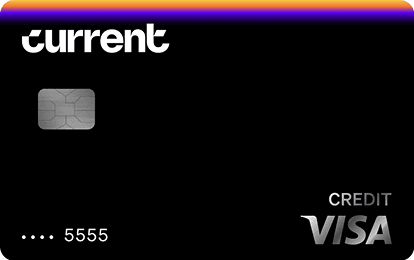
Current Build Card
$0 annual fee. No minimum deposit required. No credit check required. 1 point per dollar on eligible categories. Reports to Experian, TransUnion, Equifax.
Fee
$0
APR
0%
Minimum Deposit Amount
$0
Credit Check
No
Cashback
1 point/dollar on eligible categories (with qualifying payroll deposit)
Benefit
No credit check, no deposit minimum
Kikoff Credit Account

Kikoff Credit Account
Everything you need to build your credit, right in one app. Build credit, lower debt, and unlock progress with tools that actually work.
Standout feature
An avg increase of +86 points within a year with on-time payments
Fees
$5/month for Basic plan, $20/mo for Premium plan $35/mo for Ultimate plan
Pros
Helps both payment history and credit utilization, the two factors that move scores most
Cons
Monthly fee continues for as long as you keep the account open



