
March 29, 2026
Does a Secured Credit Card Build Credit?
Does a Secured Credit Card Build Credit?
Yes — a secured credit card is one of the best tools for building credit, especially if you're starting from scratch or rebuilding after setbacks. Secured cards work almost identically to regular credit cards, with one key difference: you put down a refundable security deposit that typically becomes your credit limit.
The important thing is that most secured cards report your activity to all three major credit bureaus — Experian, Equifax, and TransUnion. That means every on-time payment you make builds your credit history, just like it would with any other credit card.
How a Secured Credit Card Reports to Credit Bureaus
When you use a secured credit card and make payments, your card issuer sends a report to the credit bureaus each month. This report includes your credit limit, current balance, payment history, and account status.
On your credit report, a secured card looks the same as an unsecured card. Lenders reviewing your report can't tell the difference. What they see is a credit card account with (hopefully) a history of on-time payments and low balances.
This reporting builds two of the most important factors in your credit score: payment history (35% of your FICO score) and credit utilization (30%). By paying on time and keeping your balance low relative to your limit, you're strengthening the two biggest components of your score.
Not all secured cards report to all three bureaus. Before you apply, confirm that your card reports to Experian, Equifax, and TransUnion. If it only reports to one or two, your credit building will be less effective.
How Fast Does a Secured Card Build Credit?
Most people start seeing results within three to six months of responsible use. Here's a general timeline:
Month 1-2: Your account appears on your credit report. If you had no prior history, a credit file is created for you.
Month 3-6: With consistent on-time payments and low utilization, you'll start seeing score improvements. VantageScore may generate a score within the first month or two. FICO typically needs six months of history.
Month 6-12: Your score continues to climb as your payment history grows. Many people reach the mid-600s to low 700s within this period, depending on their starting point.
Month 12+: With a year of positive history, you may qualify to upgrade to an unsecured card or get approved for other credit products.
The biggest factors affecting speed are consistency (never missing a payment) and utilization (keeping your balance below 30% of your limit, ideally below 10%).
Best Secured Credit Cards for Building Credit
When choosing a secured card, look for no annual fee (or a low one), reporting to all three bureaus, a low minimum deposit, and a path to upgrade to an unsecured card.
Self offers a Visa credit card with high approval rates that reports to all three bureaus. It's one of the best options for first-time credit builders. Read our full Self review for a detailed breakdown.
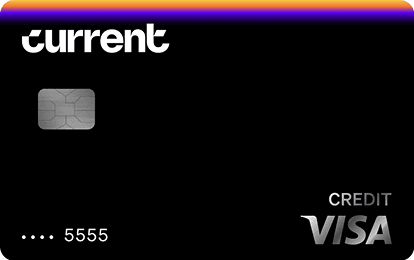
Current provides a Build Card that reports to all three bureaus and works like a debit card with credit-building benefits. Check out our Current Build Card review for details.
OpenSky is a secured card that doesn't require a credit check or bank account, making it one of the most accessible options available.
Firstcard's secured credit card is designed specifically for people building credit for the first time. It reports to major bureaus and works alongside Firstcard's other tools — like rent reporting and credit monitoring — for a comprehensive approach.

Self Visa® Credit Card
Start the path to financial freedom.
Fee
$25 (Intro annual fee for new customers (first year): $0)
APR
27.49%
Minimum Deposit Amount
$100
Credit Check
No
Cashback
N/A
Benefit
High approval rates
Current Build Card
$0 annual fee, 0% APR. No minimum deposit required. No credit check required. 1 point per dollar on dining and groceries. Reports to Experian, TransUnion, Equifax.
Fee
$0
APR
0%
Minimum Deposit Amount
$0
Credit Check
No
Cashback
1 point/dollar on dining & groceries (with qualifying payroll deposit)
Benefit
No credit check, no deposit minimum, no APR

OpenSky
Maximize your credit building with more spending power from Opensky Plus. No hidden fees, no gotchas. Just a clear path forward.
Minimum Deposit Amount
$0
Credit Check
No
Benefit
No hidden fees
Secured Card vs. Credit Builder Loan
Both secured cards and installment loans are effective tools for building credit. They work differently but complement each other well.
A secured card builds credit through revolving credit (like a regular credit card). A credit builder loan builds credit through installment payments (like a car loan). Having both on your credit report improves your credit mix, which accounts for 10% of your FICO score.
If you can only choose one, a secured card is generally more versatile. You can use it for purchases, it helps build utilization history, and many cards offer rewards. But if you can manage both, using them together tends to build credit faster than either one alone. Kikoff offers a no-interest credit account that pairs well with a secured card — learn more in our Kikoff review.
FAQ
Do all secured credit cards build credit? Most do, but not all. Some prepaid cards marketed as "secured" don't report to credit bureaus. Always confirm that your card reports to all three bureaus before applying.
How much should I deposit for a secured card? Start with the minimum required (often $200-500). Your deposit becomes your credit limit. You can always add more later if you need a higher limit.
Will I get my deposit back? Yes, when you close the account or upgrade to an unsecured card. Your deposit is refundable as long as you've paid off your balance.
Ready to apply? Learn about secured credit card approval odds to understand your chances before you submit an application.

Firstcard Educational Content Team - March 29, 2026