March 29, 2026
How to Build Credit for the First Time
Why Building Credit From Scratch Matters
Your credit score affects more than you might think. It determines whether you get approved for credit cards, apartments, car loans, and mortgages. It also affects the interest rates you'll pay — a difference that can cost you tens of thousands of dollars over your lifetime.
The frustrating part is that you need credit to get credit. Lenders want to see a track record of responsible borrowing before they'll lend to you. If you've never had a credit account, you're essentially invisible to the system.
But here's the good news: building credit from scratch is very doable. With the right approach, you can go from no credit to a solid score in less than a year.
Step 1: Understand How Credit Works
Before you start building, it helps to understand what you're building. Your credit score is a number (300-850) that represents how risky you are as a borrower. It's calculated from five main factors:
Payment history (35%) — Whether you pay on time. This is the most important factor.
Credit utilization (30%) — How much of your available credit you're using. Lower is better. Learning to use a credit builder card responsibly from day one sets the right habits.
Length of credit history (15%) — How long your accounts have been open. Longer is better.
Credit mix (10%) — Having different types of accounts (cards, loans) is better than just one type.
New credit (10%) — How many new accounts and recent applications you have. Fewer is better.
When you're starting from zero, your first priority is creating accounts that report to the credit bureaus so these factors have data to work with.
Step 2: Choose the Right Starting Product
You have several good options for your first credit product. You don't need to use all of them, but combining two or three builds credit faster.
Secured credit card. This is the most popular starting point. You put down a deposit (usually $200-500) which becomes your credit limit. Use the card for small purchases and pay the balance in full each month. Most secured cards report to all three credit bureaus. Top options include Self, which offers a Visa card with high approval rates — read our Self review for details. Current also offers a Build Card that reports to all three bureaus — see our Current Build Card review.
Credit builder loan. This is a small loan designed purely for credit building. You make monthly payments into a savings account, and the lender reports those payments to the bureaus. When the loan term ends, you get your money back (minus interest and fees). It's like a forced savings plan that builds credit. Self is one of the most popular credit builder accounts — learn more in our Self review. Kikoff offers a no-interest credit account with no hard pull — check out our Kikoff review.
Authorized user account. If a parent, partner, or trusted friend has a credit card with a good history, they can add you as an authorized user. The account's history may appear on your credit report, giving you an instant credit foundation.
Rent reporting. If you're already paying rent, a rent reporting service sends those payments to the credit bureaus. This creates a tradeline without taking on any new financial product.
Firstcard offers a credit builder card as part of its platform.
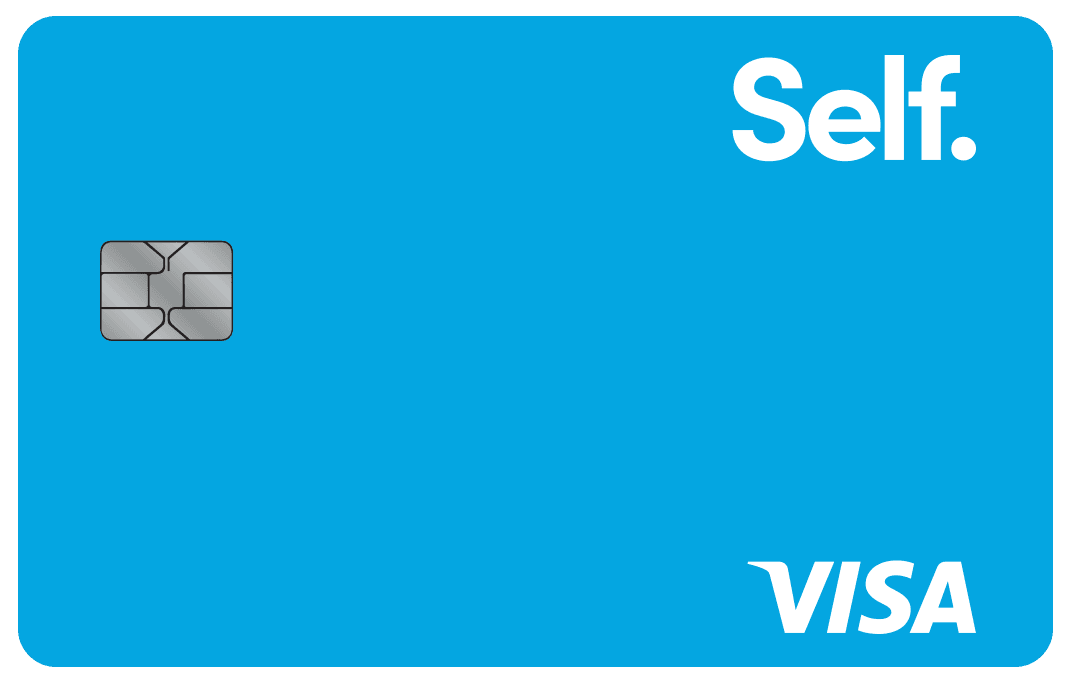
Self Visa® Credit Card
Start the path to financial freedom.
Fee
$25 (Intro annual fee for new customers (first year): $0)
APR
27.49%
Minimum Deposit Amount
$100
Credit Check
No
Cashback
N/A
Benefit
High approval rates

Kikoff Credit Account
Everything you need to build your credit, right in one app. Build credit, lower debt, and unlock progress with tools that actually work.
Loan Amount
$750-$3,500 depends on the plan
Term
12 months
APR
0%
Admin Fee
$0
Monthly Fee
$5/month for Basic plan, $20/mo for Premium plan $35/mo for Ultimate plan
Credit Check
No
Average Score Increase
An avg increase of +86 points within a year with on-time payments
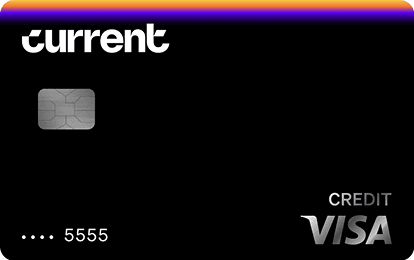
Current Build Card
$0 annual fee, 0% APR. No minimum deposit required. No credit check required. 1 point per dollar on dining and groceries. Reports to Experian, TransUnion, Equifax.
Fee
$0
APR
0%
Minimum Deposit Amount
$0
Credit Check
No
Cashback
1 point/dollar on dining & groceries (with qualifying payroll deposit)
Benefit
No credit check, no deposit minimum, no APR
Step 3: Build Positive Habits
Once you have your first account(s) open, the habits you build now will define your credit future.
Pay on time, every time. This is the golden rule. Set up autopay so you never miss a due date. Even one late payment (30+ days) can significantly hurt your score and stay on your report for seven years.
Keep utilization low. Try to use less than 30% of your credit limit — and ideally less than 10%. If your secured card has a $300 limit, keep your balance under $90. Pay it off before the statement closes if you need to.
Don't open too many accounts at once. Each application creates a hard inquiry on your report. Space out applications by at least three to six months.
Use your card regularly (but lightly). A card that sits unused doesn't build much history. Put a small recurring charge on it (like a streaming subscription) and pay it off each month.
Step 4: Monitor Your Progress
Tracking your credit is important for two reasons: it motivates you as you see your score climb, and it helps you catch errors or fraud early.
You can check your credit score for free through many banks and credit card issuers, or use track your credit score to stay on top of your report. Firstcard also provides credit monitoring as part of its platform.
Pull your full credit reports at least once a year from AnnualCreditReport.com. Review them for errors — wrong accounts, incorrect balances, or payments marked late that were actually on time. If you find errors, dispute them with the relevant bureau.
As your score grows, you'll start qualifying for better financial products — unsecured cards, lower interest rates, and larger credit limits. This positive cycle keeps building on itself.
FAQ
How long does it take to build credit from nothing? You can have a VantageScore within one to two months and a FICO score within six months. Reaching a 700+ score typically takes 12-18 months of responsible credit use.
What's the fastest way to build credit for the first time? Combine a secured card with a credit builder loan and rent reporting. Three tradelines building simultaneously is faster than one. Products like Self, Kikoff, and Current make it easy to stack multiple credit-building tradelines.
Can I build credit without a Social Security number? It's harder, but some options exist. You can apply for an Individual Taxpayer Identification Number (ITIN) and use it to open an ITIN credit card and other credit-building products.
Explore Firstcard's credit card for beginners and take the first step toward a strong financial foundation today.

Firstcard Educational Content Team - March 29, 2026