March 23, 2026
How to Get a Credit Card at 18: Your First Card Guide
Turning 18 opens a lot of doors, including access to credit. Your first credit card can be a powerful tool for building credit, but only if you approach it the right way. Here's everything you need to know about getting approved and using it wisely.
Can You Get a Credit Card at 18? (Yes, Here's How)
The short answer is yes. At 18, you're legally an adult and can apply for credit products on your own. Banks and credit card companies are willing to work with 18-year-olds because they're eager to build credit (and not yet established in bad habits).
The challenge isn't age—it's credit history. At 18, you likely have no credit report at all. That makes you a blank slate to lenders, which can actually work in your favor if you're applying for beginner-friendly cards.
Age & Legal Requirements
Age requirements:
- Must be at least 18 years old
- Must be a US citizen or permanent resident
- Some cards require 21+ (older requirement, less common now)
What you'll need to apply:
- Valid government-issued ID (driver's license or passport)
- Social Security Number (or ITIN if you're not a citizen)
- Proof of income (job letter, pay stub, or bank statements showing regular deposits)
- Valid mailing address and phone number
- Email address
Income requirement: Most cards require at least some income—$500-$1,000/month is typical. This could be from a job, internship, student loans, or financial aid.
Best Credit Cards for 18-Year-Olds
Not all credit cards welcome 18-year-olds with zero credit. Here are the realistic options. For a broader look, see our guide to the best credit cards for beginners.
Secured credit cards (best choice if you have no credit):
- Self Visa® ($250-$2,000 deposit)
- Kikoff ($100-$2,500 deposit)
- OpenSky ($200 deposit)
- Firstcard (offers beginner-friendly options)
Secured cards require a deposit but are almost guaranteed approval at 18. You get a credit line equal to your deposit, and it counts as a credit card account on your report.
Student credit cards (if you're in college):
- Capital One Journey Student Card
- Discover It Student Card
- Chase Freedom Student Card (limited)
These are designed for students with limited credit history. They may offer rewards (cash back or points) once you graduate and establish good payment history.
Regular credit cards (harder to get at 18):
- Most mainstream cards (Chase, AmEx, Citi) require established credit
- Not recommended as a first card unless you have a co-signer

Self Visa® Credit Card
Start the path to financial freedom.
Fee
$25 (Intro annual fee for new customers (first year): $0)
APR
27.49%
Minimum Deposit Amount
$100
Credit Check
No
Cashback
N/A
Benefit
High approval rates
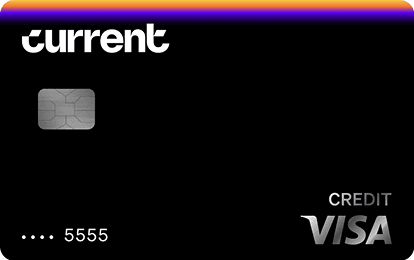
Current Build Card
$0 annual fee, 0% APR. No minimum deposit required. No credit check required. 1 point per dollar on dining and groceries. Reports to Experian, TransUnion, Equifax.
Fee
$0
APR
0%
Minimum Deposit Amount
$0
Credit Check
No
Cashback
1 point/dollar on dining & groceries (with qualifying payroll deposit)
Benefit
No credit check, no deposit minimum, no APR
How to Apply for Your First Card
Getting approved for your first card is straightforward if you pick the right product.
Step 1: Choose the right card. For no credit history, go with a secured card. Student cards are second choice if you're in college.
Step 2: Gather documents.
- ID (driver's license)
- Social Security Number
- Recent pay stub or proof of income
- Current address
Step 3: Apply online. Most applications take 5-10 minutes on the card's website.
Step 4: Wait for approval. Secured cards approve most applicants within 1-2 business days. Student cards may take a few days longer.
Step 5: Fund your card. For secured cards, deposit money into the account. For regular cards, wait for your physical card to arrive.
Step 6: Start using it. Make a small purchase and pay it back within 30 days to build history.
Building Credit Responsibly at 18
Having a credit card at 18 is powerful, but only if you use it right.
Golden rules for building credit:
Pay on time, every time. Payment history is 35% of your credit score. Late payments destroy your score and take 7 years to fade.
Keep utilization low. Use less than 30% of your credit limit. If your limit is $500, try not to carry more than $150 balance.
Don't close the card. Once you graduate to an unsecured card or open other accounts, keep old cards open. Older accounts are valuable.
Only apply occasionally. Each credit application triggers a hard inquiry that slightly damages your score. Wait 3-6 months between applications.
Avoid cash advances. Cash advances charge immediate interest and count against your utilization. Just say no.
Common Mistakes to Avoid
Young adults make predictable credit mistakes. Learn from others' errors.
Mistake #1: Maxing out the card. Using 80%+ of your limit tanks your score. Even if you can pay it off, the damage is immediate.
Mistake #2: Missing payments. A single 30-day late payment stays on your report for 7 years. Set autopay to prevent this.
Mistake #3: Opening too many cards at once. Each application lowers your score temporarily. Space them out 6+ months apart.
Mistake #4: Ignoring your credit report. Pull your free report at annualcreditreport.com yearly. Errors happen, and you can dispute them.
Mistake #5: Using credit for cash. Never use your card to get cash advances. The fees and interest are brutal.
Frequently Asked Questions
What if I get denied for a credit card at 18?
Denial usually means insufficient income or a thin credit profile. Ask if the issuer offers a secured card option instead. Or get a co-signer (parent/guardian) to apply jointly.
Should I get a co-signer?
Only if you're denied and want a regular credit card. Secured cards are almost always an option without a co-signer.
How long until my score improves?
You'll get your first credit score within 30-60 days of opening your card. Significant improvements (50+ points) take 6-12 months of perfect payment history.
Can I use my student loans to build credit instead?
Yes, but it's slower. Student loans report to bureaus and build credit, but they're less flexible than credit cards for practicing good credit habits.
What's the difference between a secured and regular card?
Secured cards require a deposit as collateral. Regular cards don't. At 18 with no credit, a secured card is easier to get.
Bottom line: Getting a credit card at 18 is smart if you're responsible. Start with a secured card like Self or Kikoff, use it for small purchases, and pay in full monthly. Within 12-18 months, you'll have great credit and options that were closed to you before.

Firstcard Educational Content Team - March 23, 2026