March 17, 2026
How to Get a Higher Credit Limit
Getting a credit limit increase from $500 to $2,000 can drop your credit utilization from 60% to 15% — and that alone could boost your credit score by 30-50 points.
Your credit limit is the maximum amount you can charge on your credit card. A higher limit gives you more purchasing power, but more importantly, it improves your credit utilization ratio — one of the biggest factors in your credit score calculation.
Here's how to get a higher credit limit, whether you're just starting out or already have established credit.
Why a Higher Credit Limit Helps Your Score
Credit utilization — the percentage of your available credit you're using — accounts for about 30% of your FICO Score. Lower utilization signals responsible credit management.
If you have a $1,000 limit and a $300 balance, your utilization is 30%. Get that limit raised to $3,000 with the same balance, and your utilization drops to 10%. Your spending didn't change, but your score improves.
Experts recommend keeping utilization below 30%, and below 10% for the best scores. Increasing your credit limit is one of the fastest ways to achieve this.
5 Ways to Get a Higher Credit Limit
Request an Increase From Your Current Issuer
The most direct approach. Most card issuers let you request a credit limit increase through their app, website, or by calling customer service.
Tips for a successful request:
- Wait at least 6 months after opening the card or your last increase
- Make sure you have a history of on-time payments
- If your income has increased, update it on file before requesting
- Request during business hours when you can speak to a supervisor if needed
Some issuers do a soft credit check for limit increases, while others do a hard pull. Ask before you agree so you know what to expect.
Update Your Income Information
Many issuers periodically ask you to update your income. When your income goes up — from a raise, new job, or additional income source — update it immediately. Issuers use income data to determine how much credit to extend.
You can include all income you have reasonable access to: salary, freelance income, investment returns, spouse's income (if you're over 21), and regular side income.
Open a New Credit Card
If your current issuer won't increase your limit, opening a new card adds to your total available credit. A new card with a $2,000 limit combined with your existing $1,000 limit gives you $3,000 total.
A secured credit card can be a great option if you're still building credit. Your deposit becomes your credit limit, and many issuers automatically review your account for a limit increase or upgrade to an unsecured card after 6-12 months of responsible use.
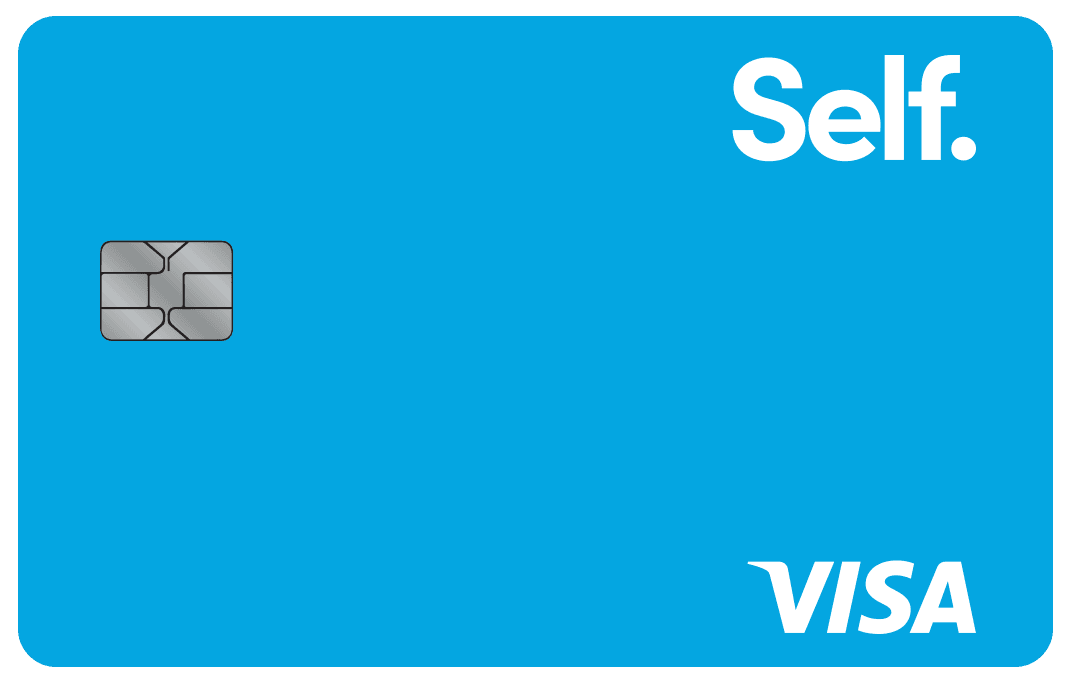
Self Visa® Credit Card
Start the path to financial freedom.
Fee
$25 (Intro annual fee for new customers (first year): $0)
APR
27.49%
Minimum Deposit Amount
$100
Credit Check
No
Cashback
N/A
Benefit
High approval rates
Use Your Card Regularly (and Pay It Off)
Card issuers are more likely to increase limits for active cardholders who demonstrate responsible usage. Use your card for small, regular purchases — groceries, subscriptions, gas — and pay the balance in full each month.
This shows the issuer that you use the card, you can handle the spending, and you reliably pay it back. After 3-6 months of consistent use, request that increase.
Accept Automatic Increases
Some issuers automatically increase your credit limit based on your account history. Issuers like American Express, Discover, and Capital One are known for periodic automatic increases.
You don't need to do anything special — just use the card responsibly, pay on time, and keep your income information updated.
What to Avoid When Seeking a Higher Limit
- Don't apply for multiple cards at once. Multiple hard inquiries in a short period can lower your score.
- Don't spend more just because your limit is higher. The goal is lower utilization, not more debt.
- Don't request increases too often. Wait at least 3-6 months between requests.
- Don't lie about your income. Misrepresenting income on a credit application is fraud.
How Long Does It Take to Get an Increase?
Online requests are often processed instantly. If the issuer needs to review your account manually, it may take 7-10 business days. Phone requests sometimes result in an immediate decision, especially if you can speak to a representative.
If your request is denied, ask why. Common reasons include: too many recent inquiries, insufficient payment history, high existing utilization, or a recent decrease in income.

OpenSky
Maximize your credit building with more spending power from Opensky Plus. No hidden fees, no gotchas. Just a clear path forward.
Minimum Deposit Amount
$0
Credit Check
No
Benefit
No hidden fees
Frequently Asked Questions
Does requesting a credit limit increase hurt my score?
It depends. Some issuers do a soft pull (no impact), while others do a hard pull (small temporary dip of 5-10 points). Ask your issuer before agreeing to a credit check.
How much of a credit limit increase should I ask for?
A good rule of thumb is to request 10-25% more than your current limit. Asking to double or triple your limit may seem unreasonable and result in a denial.
Can I get a credit limit increase with bad credit?
It's harder but not impossible. Focus on 6+ months of on-time payments, keeping your balance low, and updating your income. If your current issuer won't budge, a new credit builder card can add available credit.
Will my credit limit increase automatically?
Some issuers offer automatic increases. Discover, Capital One, and American Express are known for this. Using your card responsibly and paying on time increases your chances.
Is there a maximum credit limit?
There's no universal maximum. Some premium cards offer limits of $50,000+. Your specific limit depends on your income, credit history, and the issuer's risk assessment.
Disclaimer: Credit limit policies vary by issuer. Approval is not guaranteed. This information is for educational purposes only.

Firstcard Educational Content Team - March 17, 2026