What If Your Deposit Could Become Your Credit Limit?
A secured credit card works differently than regular cards. Instead of the credit company trusting you upfront, you put down a cash deposit. That deposit becomes your credit limit.
Many people think the deposit is a fee you lose. It's not. Your money sits in a savings account the entire time. You get it back once you've built credit and upgraded to an unsecured card.
This guide explains exactly how deposits work, how much you need, and when you'll get your money back. If you're wondering whether a secured card is the right choice, check out our guide on how to get a credit card with bad credit.
How Secured Credit Card Deposits Work
When you open a secured card, you provide a cash deposit to the card issuer. This money is held in a savings account in your name. You cannot access this money while the card is open.
Your credit limit equals your deposit amount. If you deposit $500, you get a $500 limit. If you deposit $100, you get a $100 limit.
You use the card just like any other credit card. You make purchases, get a monthly statement, and pay your bill. The deposit never changes unless you choose to increase it.
When you eventually upgrade to an unsecured card (usually after 6-18 months), your deposit is released. The issuer sends it back to you, usually within 7-10 business days.
Typical Deposit Amounts
Most secured cards require minimum deposits between $49 and $200. This is low enough to be affordable for most people but high enough to set a usable credit limit.
Mid-range deposits are typically $300-$500. These amounts create reasonable spending limits without requiring huge upfront cash.
High-end deposits can go up to $2,500 or more. Some premium secured cards accept larger deposits to build higher limits. These are for people with cash available who want more spending power.
You control how much you deposit within the card's ranges. Most issuers let you choose your deposit amount. Depositing $200 instead of $500 is perfectly fine, it just means a lower limit.
Cards With Low Minimum Deposits
Firstcard Secured Card has a low minimum deposit ($50-$300 range depending on factors) that becomes your limit. There's no annual fee, and it reports to all three credit bureaus.
Chime Credit Builder: Offers a credit builder card with no minimum security deposit. They emphasize accessibility for people rebuilding credit, with no annual fee and no interest charges.
Chime Card™
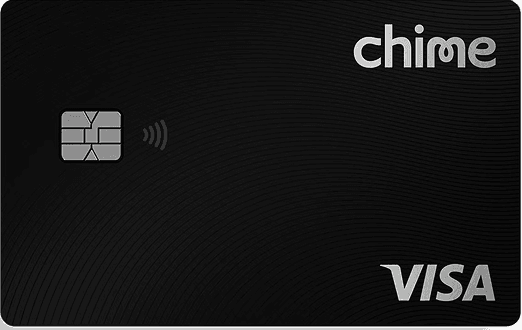
Chime Card™
Chime Card™ is Chime's secured credit card and has the reliable Chime credit-building features plus 5% cash back rewards on category of choice (with qualifying direct deposit) and access to cash at ATMs.¹
Fee
$0
APR
No interest
Minimum Deposit Amount
$0
Credit Check
No
Cashback
5% cash back rewards on category of choice (with qualifying direct deposit)
Benefit
Overdraft up to $200 without fees for eligible members.
Capital One Secured Card requires a minimum deposit of $200 to $2,500. Deposits directly affect your credit limit. Capital One is widely available and accepts various backgrounds.
Discover it Secured: Requires a minimum deposit of $200. This card offers cash back rewards even in the secured phase, which is rare.
OpenBank Secured Card: A newer option with low minimum deposits and transparent terms. Good for budget-conscious credit builders.
Can You Increase Your Deposit Later?
Yes. After opening a secured card, you can usually add to your deposit to increase your credit limit. If you have an extra $200 in savings, you can deposit it to raise your limit from $300 to $500.
Increasing your limit has two benefits: You can spend more on the card, and it helps your credit utilization ratio. Using 30% of a $500 limit looks better than using 50% of a $300 limit.
However, check with your issuer before sending extra deposits. Some cards allow it anytime; others require specific procedures.
How Does the Deposit Affect Your Credit Limit?
Your credit limit equals your deposit amount. This is straightforward: $300 deposit = $300 limit. $100 deposit = $100 limit.
Unlike unsecured cards where the company decides your limit based on creditworthiness, secured cards give you control. You choose your deposit, you choose your limit.
This simplicity is actually beneficial. You know exactly what you're getting. There are no surprises about approval amounts.
Some issuers graduate you to higher limits after good behavior. You might start with a $200 limit, make on-time payments for a year, and they upgrade you to a $300 limit without increasing your deposit. Always check your card issuer's policies on this.
When Do You Get Your Deposit Back?
You get your deposit back when you upgrade to an unsecured card. The issuer typically returns it within 7-10 business days after closing the secured account.
Some issuers automatically upgrade you after 6-12 months of on-time payments. They'll notify you that you've been approved for an unsecured version of their card. Your deposit is released automatically.
In other cases, you can request an upgrade yourself after demonstrating good payment history. Call your card issuer and ask about upgrade options. After 12-18 months of perfect payments, most issuers are happy to upgrade you.
If you want to get your deposit back but the issuer won't upgrade you, you can request account closure. Your deposit is refunded, though you'll lose the credit-building benefit of keeping the account open.
Key Considerations Before Choosing a Card
Check if the card reports to all three credit bureaus. Equifax, Experian, and TransUnion. Some cards report to only one or two, limiting your credit building. Understanding the difference between your credit report and credit score helps you track progress more effectively.
Look at the annual fee. Some secured cards charge $0; others charge $35-$95 annually. Fees eat into your credit-building benefit. Choose cards with low or no annual fees.
Understand the interest rate (APR). Secured card APRs typically range from 18-24%. This doesn't matter much if you pay in full monthly, but it's good to know.
Check upgrade policies. How long before you can upgrade? What payment history do they require? Some issuers upgrade automatically; others don't.
Does the Deposit Affect Your Credit Limit Increase?
The deposit is separate from credit limit increases. Some issuers increase your limit over time based on your payment history.
If you deposit $300 and the issuer increases your limit to $400, you're typically not required to deposit extra money. The increase comes from good behavior, not additional deposits.
However, not all secured cards allow limit increases without additional deposits. Check your issuer's policy. Many newer fintech issuers (like Firstcard) are more flexible about this.
Best Practices for Choosing Your Deposit Amount
Start with the minimum required if you're on a tight budget. A $50-$100 deposit gets you started without large upfront expense.
However, if you have access to $300-$500, deposit that amount instead. A higher limit gives you more flexibility and improves your credit utilization ratio faster.
Choose an amount you won't need to access for 6-18 months. This is the time commitment required to build enough credit for upgrade. Don't tie up money you'll urgently need.
Consider your spending habits. If you spend $50-$100 monthly, a $200 limit is plenty. If you typically spend $300-$400 monthly, deposit more.
What Happens If You Close the Secured Card?
If you close your secured card before upgrading, your deposit is returned. There's no penalty, though you lose the credit-building benefit of that account.
Closing a credit card can hurt your score slightly. It reduces your available credit and shortens your average account age. Only close if you're upgrading to an unsecured card from the same issuer.
If an issuer is making upgrade difficult after 12+ months, consider switching to a different card. Take your deposit refund and open a secured card with a more generous issuer.
Your original secured card will still report to your credit bureaus and help your score. Even if closed, the history stays on your report for 7 years.
Red Flags When Choosing a Secured Card
Never choose a card that asks you to pay the deposit to a third party. Legitimate issuers accept deposits directly to their savings account.
Avoid cards where the deposit is described as a "fee" rather than collateral. The deposit should be held in your name and returned to you.
Skip cards that charge excessive annual fees ($95+) on top of deposits. These high fees eat into your credit-building benefit.
Be cautious of unsecured cards marketed as "secured." Some companies confuse these terms. Always verify whether your card actually requires a deposit.
Timeline: From Deposit to Unsecured Card
Month 1-3: You open the card, deposit funds, and begin using it. Make small purchases and pay in full each month.
Month 4-6: Continue on-time payments. Your credit score starts improving gradually. Some issuers begin noticing your good behavior.
Month 6-12: Perfect payment history is established. Your credit utilization is low. You're becoming a desirable customer in the issuer's eyes.
Month 12-18: Many issuers automatically upgrade you or make you eligible to request an upgrade. Your deposit is returned, and you're approved for an unsecured card.
Month 18+: Completely unsecured. You're rebuilt enough to access traditional credit without deposits.
Financial Disclaimer
Secured credit cards are tools for building credit through responsible management. A deposit being held doesn't guarantee card approval or upgrade eligibility. Interest rates, fees, and terms vary by card and your creditworthiness. Building credit takes consistent, on-time payments over many months. This information is educational and not financial advice. Consult with a financial professional to determine if a secured card is right for your situation.
FAQ
What's the lowest deposit I can make on a secured card? Most secured cards require minimum deposits between $49-$200. Some innovative issuers like Firstcard offer low minimums starting at $50. Choose the minimum that fits your budget and meets your spending needs.
Does my deposit earn interest? Some issuers offer interest on secured deposits, though rates are typically very low (0.01-1%). Most don't. Check your card issuer's terms. The interest earned is minimal compared to the credit-building benefit.
Can I get my deposit back before upgrading to unsecured? You can request your deposit back by closing the account anytime. However, this stops your credit-building progress. Best practice is to keep the account open for at least 12 months of perfect payment history before requesting your deposit.
What if I can't afford the minimum deposit? If the minimum deposit is too much, look for cards with lower requirements. Credit builder loans are an alternative, no deposit required, just monthly payments. You could also wait 2-3 months and save up the deposit amount.
Does increasing my deposit help my credit score? Increasing your deposit increases your available credit, which improves your credit utilization ratio. Lower utilization means a higher credit score. So yes, increasing your deposit can help your score, though the benefit is modest compared to on-time payments.