
International students arrive in the US facing a unique financial paradox: you need a credit card to build credit history, but you lack the foundation most lenders expect (a Social Security Number, US credit history, and long-term address). Banks see you as high-risk because you might leave after graduation, and they can't verify much of your background. Yet having a credit card is essential for building the US credit score you'll need for car loans, apartments, and other goals. The good news: options exist, and with planning, you can establish solid credit even as an international student.
Unique Challenges International Students Face
Several barriers make credit difficult for international students:
- No Social Security Number: Most credit cards require an SSN. Without one, your options narrow significantly.
- No credit history: Credit bureaus have no file on you, so lenders can't evaluate your creditworthiness.
- Temporary status: Your visa makes you appear like a flight risk to lenders concerned about unpaid debts.
- Limited employment: F-1 visa restrictions limit on-campus work to 20 hours weekly during school, making income unpredictable.
- No established address: Frequent dorm changes and summer moves complicate residency verification.
These factors combined mean mainstream credit card approval is nearly impossible without help.
Our Top Picks
International students need cards that work without an SSN, accept no US credit history, and still report to US credit bureaus. These options are designed for exactly that situation.
Self Visa® Credit Card | Annual fee: $25 (first year: $0) | Standout benefit: Accepts ITIN applicants and reports to all three US credit bureaus. Best for: international students who have received an ITIN and want a reliable card for building a strong US credit file.
Current Build Card | Annual fee: $0 | Standout benefit: No SSN or credit check required, paired with a full banking app for managing money. Best for: international students who want an all-in-one banking and credit-building solution.
Many of these cards accept an ITIN (Individual Taxpayer Identification Number) as an alternative to an SSN. If you don't have an ITIN yet, anyone can get one regardless of immigration status — TheITIN.com makes the process fast and 100% online, taking just a few minutes to complete.
TheITIN.com

TheITIN.com
No SSN? No problem. TheITIN.com makes getting your U.S. tax ID (ITIN) fast and painless — 100% online. Perfect for people who need to start building credit, file taxes, or open bank accounts in America.
Standout feature
100% online ITIN application. No hidden fees. Trusted by thousands with 4.8★ on Trustpilot.
Fees
Starting at $497
Pros
Fast, fully online process. Highly rated customer support (4.8★ Trustpilot). Transparent pricing with no hidden fees.
Cons
Processing time depends on IRS (can take up to 14 weeks).

Current Build Card
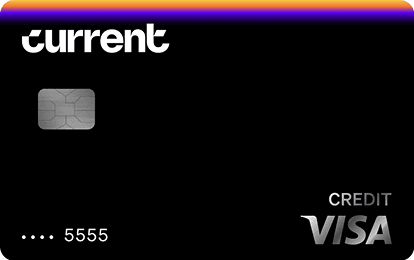
Current Build Card
$0 annual fee. No minimum deposit required. No credit check required. 1 point per dollar on eligible categories. Reports to Experian, TransUnion, Equifax.
Fee
$0
APR
0%
Minimum Deposit Amount
$0
Credit Check
No
Cashback
1 point/dollar on eligible categories (with qualifying payroll deposit)
Benefit
No credit check, no deposit minimum
Credit Card Options for International Students
ITIN Cards: Some issuers accept an ITIN (Individual Taxpayer Identification Number) instead of an SSN. An ITIN proves tax compliance without immigration status, making it accessible to international students. Certain banks and credit unions specifically market ITIN cards to this population. The downside: ITIN cards often come with higher fees or lower limits, but they're legitimate credit builders.
Secured Credit Cards: A secured card requires a cash deposit (typically $200-$2,500) that becomes your credit limit. You build credit by making on-time payments. After 6-12 months of perfect behavior, many issuers graduate you to an unsecured card and return your deposit. Secured cards are the most reliable path for international students since approval doesn't depend on credit history.
Student Credit Cards: Designed for college students, these cards typically require proof of enrollment but waive the SSN requirement. They often have lower limits and higher rates, but they exist specifically for your situation.
Co-signer Option: Ask a US citizen or permanent resident (parent, friend, relative) to co-sign or add you as an authorized user on their card. This lets you borrow their credit history while building your own.
Strategies for Building Credit as a Student
Start by getting a secured card from your bank or credit union. Make small purchases monthly (groceries, coffee, subscriptions, anything you'd buy anyway) and pay the balance in full before the due date. This demonstrates reliability and builds payment history, the most important factor in credit scoring.
If possible, have a family member add you as an authorized user on an established account with perfect payment history. You don't need to use the card; the account's positive history gets added to your credit file immediately. Avoid multiple applications in short periods, each application temporarily lowers your score and signals desperation to lenders. Be strategic: apply for one card, prove your reliability over 6-12 months, then apply for the next.
Understand that building credit takes time. You won't have a meaningful score for at least 6 months of account activity. Don't expect perfect scores, either, you're starting from scratch, so scores will climb gradually as you demonstrate consistent responsibility.
After Graduation: Transitioning Your Credit
Your student status ends at graduation, but your credit doesn't reset. The payment history and accounts you built remain, becoming more valuable as you age. When you secure employment and obtain an SSN (if applicable to your status), update it with your existing issuers and credit bureaus. Your score will likely increase as your profile stabilizes.
If you're staying in the US long-term, your student-era credit is foundational. If you're returning home, understand that US credit doesn't transfer internationally, you're building credit specifically for US opportunities. Either way, the discipline you develop now (paying on time, keeping balances low) serves you wherever you go.
Resources and Support
Your school's international office often has partnerships with banks offering student services. Contact them first. Many community banks and credit unions actively support international students with no-SSN options. Check out our guides on how to check credit score without an SSN and credit-invisible status for specific guidance for your situation.
If you're an immigrant navigating credit building, many of those resources overlap with international student needs.
Being an international student makes credit building harder, not impossible. A secured card or ITIN card, combined with consistent on-time payments, establishes credit faster than you might expect. The key is starting early, the months you spend in school are months your account can age and your payment history can strengthen. By graduation, you'll have established credit that opens doors to better terms on loans and credit products.
Frequently Asked Questions
Can I get a credit card in the US as an international student without an SSN?
Yes. Some issuers accept an ITIN instead of an SSN, and secured credit cards typically don't require one. Student-specific cards also often waive the SSN requirement.
Does US credit history transfer to my home country?
No. US credit bureaus don't share data internationally. Your US credit history stays in the US and only benefits you if you remain or return to the US.
How long does it take to build a credit score from scratch?
You'll typically have a scoreable credit file after 6 months of account activity. Most scoring models require at least one account open for 6 months with recent activity.
What happens to my credit when my student visa expires?
Your credit history remains on file even after you leave. If you return to the US, you can pick up where you left off, as long as your accounts remain in good standing.
Can I use a foreign credit card to build US credit?
No. Foreign credit cards don't report to US credit bureaus. You need US-based accounts (secured cards, ITIN cards, authorized user accounts) to build a US credit score.



