At 19, the credit system is mostly invisible to you. Most landlords, car lenders, and even some employers will check it before they say yes, but you have not built much for them to look at. Getting a first credit card is the fix.
Here are the cards that consistently approve 19 year olds, plus the rules of the road that turn a thin file into a 700+ score by your early twenties.
Why a Credit Card Is the Fastest Way to Build Credit
FICO and VantageScore both weight payment history at 35% of your score. A credit card with a $300 limit, used for $30 of monthly spend and paid in full, sends 12 perfect payment reports per year to all three bureaus. After 12 months, your file is no longer thin and your score is usually 670 to 720.
Debit cards send zero payment data. Cash sends nothing. The credit-building work has to happen on a credit account.
What Lenders Look at for a 19 Year Old
The Credit CARD Act of 2009 requires applicants under 21 to either show independent income (a job, scholarship stipend, or regular allowance counts) or have a co-signer over 21. Most issuers ask for both proof of income and either school enrollment or proof of address.
A few issuers, mostly secured-card and credit-builder programs, skip the income check entirely.
Our Top Picks for 19 Year Olds
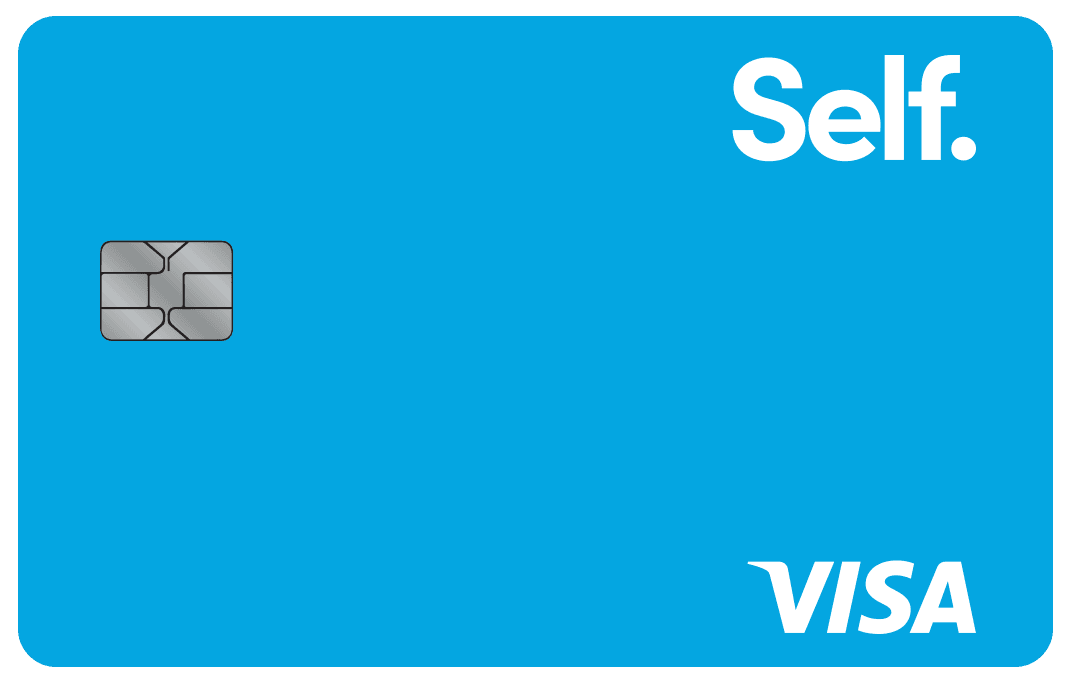
Self Visa Credit Builder Card ($0 annual fee, $100 to $3,000 access). Best for: 19 year olds with zero credit history who want a true credit card without a deposit.
OpenSky Secured Visa ($35 annual fee, no credit check, $200 minimum deposit). Best for: 19 year olds whose first application was denied elsewhere.
Kikoff Secured Credit Card ($0 annual fee, no minimum deposit, no interest). Best for: students who want a free starter card with no risk of overspending.
Current Build Card ($0 annual fee, no SSN required, no credit check). Best for: international students, immigrants, and gig workers.
Discover it Student Cash Back ($0 annual fee, 5% rotating categories). Best for: enrolled students with some income who want real rewards on day one.
For a wider list of starter cards built for thin-file applicants of any age — with deposit minimums and graduation paths laid out side-by-side — see our roundup of Credit Cards You Can Apply for With No Credit (2026 Guide).
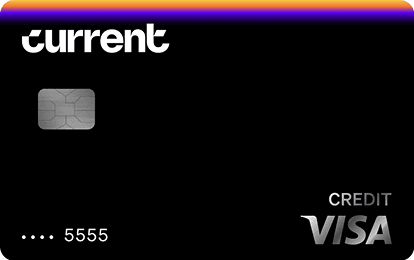
If you do not want to manage a deposit or a separate builder account, the Current Build Card is one of the most approachable options for a 19 year old. It works without a traditional credit check, lets you spend only what you have already loaded, and reports your everyday activity to the bureaus, which makes it a clean way to start a credit file from scratch as a young adult, student, or gig worker.
Current Build Card
Current Build Card
$0 annual fee. No minimum deposit required. No credit check required. 1 point per dollar on eligible categories. Reports to Experian, TransUnion, Equifax.
Fee
$0
APR
0%
Minimum Deposit Amount
$0
Credit Check
No
Cashback
1 point/dollar on eligible categories (with qualifying payroll deposit)
Benefit
No credit check, no deposit minimum
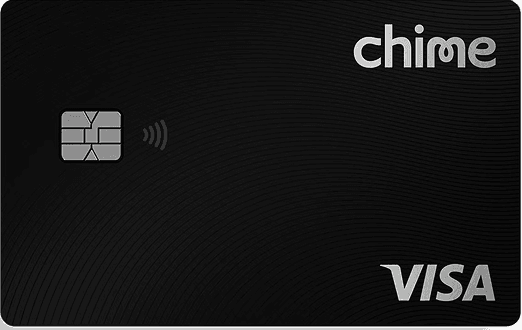
Another no-deposit option worth a look is the Chime Card, a secured credit builder with no annual fee and no minimum security deposit to open. Because there is no credit check, it is one of the easier cards for a 19 year old with no history to get approved for, and it builds a payment record from your own spending so you are never tempted to overextend.
Chime Card™
Chime Card™
Chime Card™ is Chime's secured credit card and has the reliable Chime credit-building features plus 5% cash back rewards on category of choice (with qualifying direct deposit) and access to cash at ATMs.¹
Fee
$0
APR
No interest
Minimum Deposit Amount
$0
Credit Check
No
Cashback
5% cash back rewards on category of choice (with qualifying direct deposit)
Benefit
Overdraft up to $200 without fees for eligible members.
The Smart Order to Apply
If you have never had any credit, follow this order to maximize your odds and minimize hard inquiries.
- Apply for a credit-builder card first, like the Self Visa Credit Builder Card or Kikoff. Approval rate is high because there is little or no credit check. Read our Self Credit Builder Card review to see how the deposit and reporting work.
- Use it for 6 to 12 months at low utilization (under 10% of the limit) and pay in full each month.
- Apply for a student rewards card like Discover it Student or Capital One Quicksilver Student once your score crosses 670.
- Keep both cards open. Closing the first card hurts your average account age.
Avoid applying for three cards at once. Each hard inquiry drops your score 5 points and signals risk.
How Much to Charge and When to Pay
Charge no more than 10% of your credit limit before each statement closes. On a $300 limit that is $30. Pay the full balance every month. Never carry a balance to "build credit", that is a myth that costs you 20% APR.
Set up auto-pay for at least the minimum and ideally the full balance. One missed payment at 19 is the difference between a 720 by graduation and a 590 stuck on your file for 7 years.
What Counts as Income at 19
The CARD Act income rule is more flexible than most students realize. Acceptable income sources include:
- Part-time job wages.
- Tips, freelance, or gig income.
- Scholarship money used for living expenses (not tuition).
- Money from a parent or guardian deposited into your account regularly.
- Roommate share of rent paid to you.
List your accessible income, not just W-2 wages. Many 19 year olds get denied because they leave the income field at $0.
Avoid These Beginner Traps
A few patterns trip up first-time cardholders.
- Applying for a store card first. Store cards report only to one bureau in some cases and have 25%+ APRs. Better to start with a general-purpose builder card.
- Becoming an authorized user without verifying it reports. Some issuers will not report authorized user activity for someone under 18 or 21.
- Maxing out the card. A $300 limit with a $290 balance is 97% utilization, which crushes the score even if you pay it off.
- Closing the first card after upgrading. This shortens your average account age and can drop the score 20 to 40 points.
A Realistic 12-Month Plan
Here is what most 19 year olds can achieve in their first year.
- Month 0: Apply for a credit-builder card. Approval and limit assigned.
- Months 1 to 3: Use the card lightly, pay in full, watch the first 3 reports hit your file. VantageScore 580 to 640.
- Months 4 to 6: Add a low-volume recurring expense (like a streaming subscription) to the card. VantageScore 640 to 680.
- Months 7 to 9: Apply for a student rewards card if your score crosses 670. New card adds rewards on existing spend.
- Months 10 to 12: Build utilization habits below 10%. VantageScore typically 680 to 720.
A score of 720 at age 20 means an apartment without a co-signer, an auto loan at prime rates, and a real rewards credit card waiting whenever you want it.
Frequently Asked Questions
Can a 19 year old get a credit card without income?
Most issuers require some income under the CARD Act, but the definition of income is broad. Scholarship money, gig work, and parental contributions used for daily expenses all count. A few credit-builder cards skip the income check entirely.
What is the easiest credit card to get at 19?
Secured credit-builder cards like Self Visa, Kikoff Secured, and OpenSky have the highest approval rates because they require little or no credit check. Current Build Card is also very approachable for students without an SSN.
Will my credit score start at 0 when I get my first card?
You actually have no score until your first account reports for 6 months (FICO) or 1 month (VantageScore). Once your first report goes through, scores typically start in the 580 to 660 range and improve from there.
Should I be added as an authorized user instead?
Becoming an authorized user on a parent's card can give you a head start, but only if their card has a long history and low utilization. Some issuers do not report authorized user activity for users under 18 or 21, so verify before using this strategy. If you are weighing this option, our guide on What Is an Authorized User on a Credit Card? breaks down how it affects scoring for both parties.

The Firstcard team writes simple, research-backed guides on credit, cards, and credit building. Firstcard has been helping people build credit and save money since 2020. Full profile and latest articles →