
Amazon Flex drivers are independent contractors, not employees, which means the credit-card landscape that suits them best is different from what a salaried W-2 worker should target. The biggest priorities are gas-and-fuel rewards, vehicle-maintenance categories, business-expense tracking, and credit cards that accept self-employment income on the application. Here's how to choose a card that actually pays you back for the miles you're putting on your car.
What Flex Drivers Actually Spend On
A typical Flex driver spending breakdown: 40% gas and fuel, 15% vehicle maintenance and repairs, 10% phone and data plans, 10% food on shifts, and the remaining 25% on personal everyday expenses. The two biggest categories — gas and vehicle costs — are exactly where the best gas-specific cards return 3% to 5% cash back, versus the 1% to 1.5% you'd get on a generic card.
Best Card Categories for Flex Drivers
Gas-and-fuel cards. The Citi Custom Cash Card pays 5% on your top spending category each month (gas counts), capped at $500/month in spending. Gas-station co-branded cards (Shell, BP, ExxonMobil) typically offer 5% to 10% off per gallon at their own stations. The PenFed Platinum Rewards Visa pays 5x on gas and 3x on groceries, with no annual fee. (For drivers with rough credit, the best gas credit cards for bad credit covers approval-friendly fuel-rewards options.)
Cash-back-everywhere cards. For the non-gas portion of spending, a flat 2% card like the Citi Double Cash or Wells Fargo Active Cash beats most category cards on consistency. No tracking required, no rotating categories.
Credit-builder cards for thin files. If you're a new driver building credit, a no-deposit, no-credit-check option like the Current Build Card reports to all three bureaus and pays 1 point per dollar on dining and groceries. Apply for a Current Build Card to establish revolving-credit history while you also rack up gas spending on a separate cash-back card.
Current Build Card
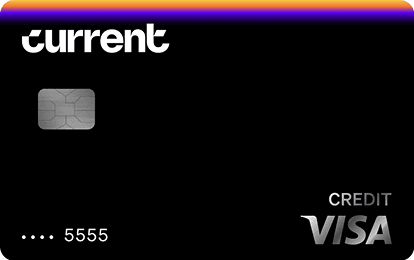
Current Build Card
$0 annual fee. No minimum deposit required. No credit check required. 1 point per dollar on eligible categories. Reports to Experian, TransUnion, Equifax.
Fee
$0
APR
0%
Minimum Deposit Amount
$0
Credit Check
No
Cashback
1 point/dollar on eligible categories (with qualifying payroll deposit)
Benefit
No credit check, no deposit minimum
How Self-Employment Income Affects Approval
Most issuers ask for "annual income" on credit-card applications without distinguishing W-2 from 1099. Flex drivers should report their gross self-employment earnings (before expenses), not net. Federal regulations specifically allow "income that you have a reasonable expectation of receiving" — including gig work — to be reported on credit-card applications.
Approval still depends on credit score, debt-to-income ratio, and recent application history. A 700+ score with stable Flex earnings and low utilization will get approved by every major issuer. A 600s score with limited file may need to start with a secured credit card designed for the self-employed before stepping up.
Tax Considerations on Card Rewards
Cash-back rewards earned on personal spending are generally not taxable income. Cash-back rewards earned on business spending (gas, maintenance) reduce the deductible business expense rather than count as income. If you're separating business from personal spending on different cards, talk to a tax professional about how to handle the rewards on your Schedule C. (Cards for gig workers in general often include better business-expense tracking dashboards than mass-market cards.)
What to Avoid
Don't apply for a stack of cards at once just to maximize sign-up bonuses. Each application is a hard inquiry, and several inquiries in a short window can drop your score 30+ points and trigger automatic denials at the next issuer.
Also avoid carrying balances on any of these cards. Even a 5% gas-cash-back card costs you money if you carry a balance at 22% APR. The math only works if you pay in full each month.
A Practical Two-Card Setup
Most full-time Flex drivers do well with two cards: a gas-specific card for fuel (Citi Custom Cash, PenFed Platinum, or Costco Anywhere Visa for warehouse-club shoppers) and a flat 2% card for everything else. This combination optimizes the 40% gas-spending tier without overcomplicating personal finance management.
Rideshare Cousins
If you split your time between Flex and rideshare, our breakdowns of credit cards for DoorDash drivers and credit cards for Uber drivers cover platform-specific rewards stacking that often beats the generic gas-card route.
Key Takeaways
- Two-card setup wins: a gas-specific card plus a flat 2% card for everything else.
- Self-employment income (gross 1099 earnings) counts on credit-card applications.
- Don't apply for multiple cards at once — hard-inquiry stacking is the biggest approval blocker.
- Maintain a separate business card for cleaner Schedule C accounting and rewards categorization.
Frequently Asked Questions
What credit card is best for Amazon Flex drivers?
A combination card setup works best: a gas-specific card (Citi Custom Cash, PenFed Platinum) for fuel, plus a flat 2% card (Citi Double Cash, Wells Fargo Active Cash) for everything else.
Does Amazon Flex income count for credit-card applications?
Yes. Most issuers allow you to report any income you have a 'reasonable expectation of receiving,' including 1099 self-employment income. Report gross earnings before expenses.
Can I deduct credit-card interest on Schedule C?
Yes, but only on cards used for business expenses. Maintain a separate card for business spending to make the deduction straightforward.
Are credit-card rewards taxable for gig workers?
Cash back on personal spending is generally not taxable. Cash back on business spending reduces the deductible business expense rather than counting as income.




