You land in the US on an F-1 visa, head to a bank to open a credit card, and hit a wall. No Social Security number, no card. That is the story for most international students in their first month here.
It used to mean months of waiting. It does not anymore.
A handful of modern issuers accept passport and visa documents instead of an SSN. This guide shows which cards actually work for F-1 students, how to use an ITIN to expand your options, and what to do in your first 90 days to set up strong US credit. For a deep dive on one of the most popular student picks, see our Deserve EDU Mastercard review for international students. If you are transitioning from F-1 to post-graduation work authorization, our guide to credit card options for OPT visa holders covers what changes once you have an EAD. For a broader view, our list of the best credit cards for immigrants covers options beyond the student space, and our freshly updated roundup of the best credit card for immigrants in 2026 highlights the issuers now approving applications without an SSN this year. You can also see exactly how Firstcard provides financial access for international students without an SSN if you want the story behind one of the issuers built specifically for this audience.
Why Most Cards Require an SSN
Traditional banks use your SSN to pull a credit report and verify identity. Without one, the old application flow hits a dead end.
But federal law does not actually require an SSN to issue a credit card. Banks are allowed to use other identifying documents, they just need the systems to do it.
A new class of fintech issuers has built those systems. They verify your passport, I-20, and visa, then use alternative data to decide approval. It is also worth knowing which bank is best for immigrants since your checking account often anchors the rest of your financial setup.
Our Top Pick for F-1 Students Without an SSN
The Current Build Card is our top pick for F-1 students who want to open an account within their first week in the US and start reporting to credit bureaus immediately. Annual fee: $0. No SSN required to start, no credit check, and no interest charges since the card uses your own funds.
Current Build Card works as a secured-style product. You move funds from your Current spending account, then use the Build Card for everyday purchases. If you prefer a more traditional path, see our guide to picking a secured credit card for immigrants, and read our full Current Build Card review for the deposit mechanics.
Each on-time payment gets reported to the major credit bureaus. Over six to twelve months of use, your file grows into a thin but real US credit profile.
Current Build Card
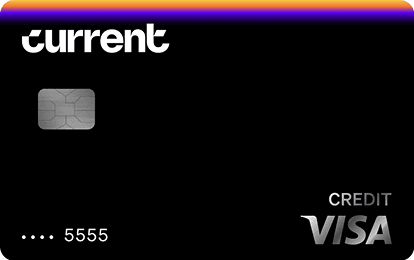
Current Build Card
$0 annual fee. No minimum deposit required. No credit check required. 1 point per dollar on eligible categories. Reports to Experian, TransUnion, Equifax.
Fee
$0
APR
0%
Minimum Deposit Amount
$0
Credit Check
No
Cashback
1 point/dollar on eligible categories (with qualifying payroll deposit)
Benefit
No credit check, no deposit minimum
Get an ITIN to Unlock More Options
An Individual Taxpayer Identification Number, or ITIN, is a tax ID the IRS issues to people who are not eligible for an SSN. For F-1 students, it opens the door to more credit cards and loans.
You can apply directly with the IRS using Form W-7. The process can take several weeks, and you have to mail original documents or visit an approved agent.
A service like TheITIN.com simplifies the paperwork and handles communication with the IRS for you, with a fully online process built specifically for newcomers who need a tax ID before they can open most financial accounts. If you want to speed things up without making mistakes on the W-7, a helper service like this is worth considering. An ITIN is also the key that unlocks products like ITIN mortgage loans later, when you are ready to buy a home in the US.
TheITIN.com

TheITIN.com
No SSN? No problem. TheITIN.com makes getting your U.S. tax ID (ITIN) fast and painless — 100% online. Perfect for people who need to start building credit, file taxes, or open bank accounts in America.
Standout feature
100% online ITIN application. No hidden fees. Trusted by thousands with 4.8★ on Trustpilot.
Fees
Starting at $497
Pros
Fast, fully online process. Highly rated customer support (4.8★ Trustpilot). Transparent pricing with no hidden fees.
Cons
Processing time depends on IRS (can take up to 14 weeks).
Cards That Accept an ITIN
Once you have an ITIN, more mainstream issuers open up. Some will even work with a passport alone, though the approval odds are better with an ITIN in hand. For a fuller list, see our roundup of ITIN credit cards that need no SSN.
The Self Visa® Credit Card accepts applicants using an ITIN, which makes it a natural second card once your tax ID arrives. The card is secured by funds from a linked Self Credit Builder Account, there is no hard credit pull at application, and it reports to all three bureaus — ideal for thickening a thin newcomer file. Our Self Credit Builder Card review covers the fees and how the linked account works.
Other credit-builder cards may also accept ITINs. Always check the issuer's application page, since requirements can change. Before any of this, you also need somewhere to park funds — our guide on how to open a bank account without an SSN covers the banks that accept passport-only applications.

What F-1 Students Should Avoid
Skip anyone who charges hundreds of dollars to help you get a credit card. Legitimate issuers do not work through middlemen.
Avoid using a friend's or family member's SSN. That is identity fraud and can lead to deportation in serious cases.
Also skip cards with very high annual fees aimed at people with bad or no credit. A few no-fee or low-fee options work just as well for building a file.
The First 90 Days: How to Build Credit Fast
With a card in hand, the goal is to create a clean payment history. Use the card for small, regular purchases like groceries, a phone bill, or a streaming subscription. If you are also looking for professional experience, our guide on how to get an internship as an international student pairs well with early credit-building.
Pay the statement in full every month. One late payment in your first year can set your score back for years, so set autopay from day one.
Keep utilization below 30% of your credit limit, and ideally under 10%. On a $500 limit, that means keeping the reported balance under $50.
Use Credit Monitoring to Track Progress
You cannot see progress you do not track. Free monitoring tools show your score each month and flag any problems early.
Creditship offers free credit monitoring with personalized tips for people who are new to US credit. That is a big help when you do not yet know which factors drive your score the most. If you ever need to clean up a report, our guide to credit repair for immigrants walks through the process step by step.
Expect your first real FICO score to show up about six months after the card starts reporting. Before that, the bureaus do not have enough data.
What to Do When You Get an SSN
If you later qualify for an SSN through OPT or other work authorization, update your credit card accounts. The card issuer will link your existing history to the new SSN.
That linking is important. Without it, the history you built under your ITIN may not show up when you apply for future loans.
Once linked, you can apply for a wider range of cards and loans. A year of clean payments on your starter card usually means approval for mainstream cards, sometimes with rewards.
The Bottom Line
An F-1 student without an SSN is not locked out of US credit. A card like Current Build Card starts your file immediately, and an ITIN plus a product like Self Visa® Credit Card expands your options fast.
Focus on clean habits: small spending, full payments, low utilization, and free monitoring. By the end of your first year, you can have a US credit score strong enough to rent, finance, and live like any other resident. Terms and conditions apply with any credit product.
Frequently Asked Questions
Can F-1 students get a credit card in their first week in the US?
Yes, with the right issuer. Cards like Current Build Card accept a passport and visa documents without requiring an SSN. Mainstream banks usually take longer, but modern fintech options can approve you within days of your arrival.
Is an ITIN really necessary for international students?
An ITIN is not always required, since some cards work with just a passport. It does, however, unlock more card options and is useful for filing US taxes. Many F-1 students get one in their first year.
How long does it take to build a US credit score as an international student?
Your first FICO score usually appears about six months after your first credit account begins reporting. A solid score in the high 600s takes about a year of on-time payments and low utilization. Two years of clean history often puts students in the 720-plus range.
Can I use my home-country credit history in the US?
Most home-country credit history does not transfer automatically. A few services are working to import it, but in practice, most F-1 students still need to start fresh in the US. The fastest way is a credit-builder or secured card designed for newcomers.

Firstcard was founded in 2020 by Kenji Niwa, an immigrant founder who was turned down for his first U.S. credit card because he had no credit score. So he set out to build the card he couldn't get. Firstcard launched its own card, the Firstcard Secured Credit Builder Card. The program received more than 250,000 applications and served tens of thousands of cardholders. In February 2026, Firstcard became a marketplace for financial products, with the same mission: to help people build credit and reach financial freedom. Today we compare credit cards, cash advance apps and credit builders, so you can choose the right one with confidence. This editorial team is led by Chief Editor Kenji Niwa. We check fees, APRs and terms against each provider's own documents and note the date we checked. We also interview real users and the companies that offer credit cards and loans. Our ratings use the same standards whether or not Firstcard earns money from a product. Full profile and latest articles →