
Picking your first credit card sets the tone for years of credit history. The wrong card means hard inquiries, denials, or worse, a $95 annual fee that eats your beginner rewards. The right card means a clean payment record, a useful limit, and a score that climbs above 700 within 12 months.
This guide walks through the best credit cards for first-time users in 2026, covering five distinct situations: no credit, student, low income, fair credit, and rewards-focused starters.
Why your first card matters
Your first credit card opens your credit file — the foundation our how to build credit with no credit history guide builds on. Once it does, the issuer reports activity to one or more of the three bureaus (Equifax, Experian, TransUnion). The card's date of opening becomes part of your credit history length, which makes up about 15% of your FICO score.
That is why the cheapest, simplest, longest-running first card is usually the best long-term choice. A $95-fee 'starter rewards' card you cancel after a year actively hurts your average account age.
Our top 5 first credit cards for 2026
Self Visa® Credit Card (full review). Best overall first card. No hard credit pull on application. Reports to all three bureaus. Pairs naturally with the Self Credit Builder Account if you want both an installment and revolving line at once. Best for: anyone with no credit history.
Discover it Student Cash Back. Best for college students. 5% cashback in rotating quarterly categories, plus 1% on everything else. Discover doubles all cashback at the end of year one. No annual fee. Approval typically requires limited credit history and proof of enrollment.
Capital One Quicksilver. Best for first-time users with a thin file. 1.5% flat cashback on everything. No annual fee. 0% intro APR for 15 months on purchases. Approval typically requires 670+ FICO. Capital One Pre-Qualification is a soft pull that lets you check approval odds with no score impact, and Quicksilver is a strong pick for first-timers with no credit history.
OpenSky Secured Visa. Best no-checking-account option. Refundable deposit doubles as your credit limit. No checking account required for approval. No credit check. Approval guaranteed if you meet the minimum deposit ($200). Best for: people who do not have a U.S. checking account or want a card with absolutely no credit pull.
Current Build Card. Best for international students and ITIN holders. Spend money you have already deposited (debit-style model) but the activity reports as credit. No SSN required for some applicants. Best for: international students or new arrivals to the U.S.
How to choose between these cards
The right card depends on your situation:
- No credit, no SSN: Current Build Card or OpenSky Secured Visa. This is the usual starting point for new immigrants without a U.S. credit file.
- No credit, have SSN: Self Visa Credit Card or OpenSky Secured Visa.
- Just turned 18: start with the picks in our best credit cards for 18-year-olds guide.
- No credit, college student: Discover it Student Cash Back or the Self Visa.
- Freelance or self-employed income: the best credit card for freelancers covers how to qualify without a W-2.
- Some credit (640-680 FICO): Capital One Quicksilver or Discover it.
- Fair credit (580-669 FICO): Capital One Platinum or Discover it Secured.
- Want rewards from day one: Discover it Student Cash Back or Capital One SavorOne Student.
For the broader picture of secured vs. unsecured credit cards, see our explainer.
What to look for in a first credit card
No annual fee. Beginners do not need to pay $95+ for a starter card. Plenty of strong options have $0 fees.
Reports to all three bureaus. Confirm the issuer reports to Equifax, Experian, and TransUnion. Skipping a bureau slows credit-building.
Soft-pull pre-qualification. Capital One, Discover, Amex, and Citi all offer soft-pull tools. Use them to confirm approval odds before formally applying.
Mobile app and autopay. A clean mobile app with autopay support keeps you from missing the due date.
Reasonable credit limit. A $300-$500 limit is plenty for a first card. Higher limits invite higher spending.
How to use your first card responsibly
Use it for one recurring expense. A streaming subscription or phone bill is ideal. Set autopay to the full balance.
Pay the full balance every month. Carrying a balance does not help your score and only costs interest.
Stay under 10% utilization. With a $300 limit, that means under $30 per statement.
Wait at least 6 months before applying for card #2. Two new cards in 6 months looks risky and often triggers a denial.
Do not close your first card. Even if you upgrade to better cards, keep the first one open. It is your oldest tradeline.
What to expect in year 1
- Month 1-2: First reported activity. VantageScore may not appear yet.
- Month 3-4: First VantageScore arrives, typically 620-660 from a clean credit-builder card start.
- Month 6: Score climbs to 660-700 with on-time payments and low utilization.
- Month 12: A 700+ FICO is realistic for most users who follow the steps above.
Common mistakes new cardholders make
Choosing a high-fee subprime card. First Premier, Credit One, and similar cards charge $59-$95 annual fees plus monthly fees. Avoid them.
Maxing out the card. A $300 limit maxed at $295 spikes utilization to 98% and tanks your score for that statement cycle.
Applying for multiple cards at once. Each application is a hard inquiry. More than 2-3 in 6 months is a denial trigger.
Closing the card early. Closing a young account erases 100% of your credit history. Keep it open even if you stop using it.

If you want a first card without a credit check or a deposit, the Current Build Card lets you spend money you have already loaded while the activity reports to the bureaus as credit. Current is a strong pick for international students and new arrivals because it builds history without requiring an established file.
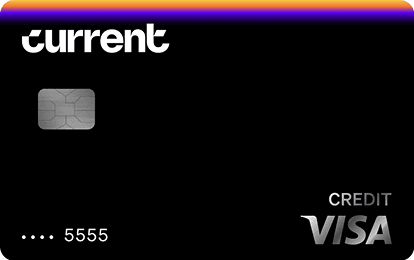
Current Build Card
Current Build Card
$0 annual fee. No minimum deposit required. No credit check required. 1 point per dollar on eligible categories. Reports to Experian, TransUnion, Equifax.
Fee
$0
APR
0%
Minimum Deposit Amount
$0
Credit Check
No
Cashback
1 point/dollar on eligible categories (with qualifying payroll deposit)
Benefit
No credit check, no deposit minimum
When you are ready to step up to a true unsecured card, the Aspire Mastercard pre-qualifies thin-file and fair-credit applicants without a deposit and offers cash back. Aspire gives a first-timer a real unsecured tradeline and rewards once a few months of clean history are on the file.
Aspire® Cash Back Rewards Mastercard
Aspire® Cash Back Rewards Mastercard
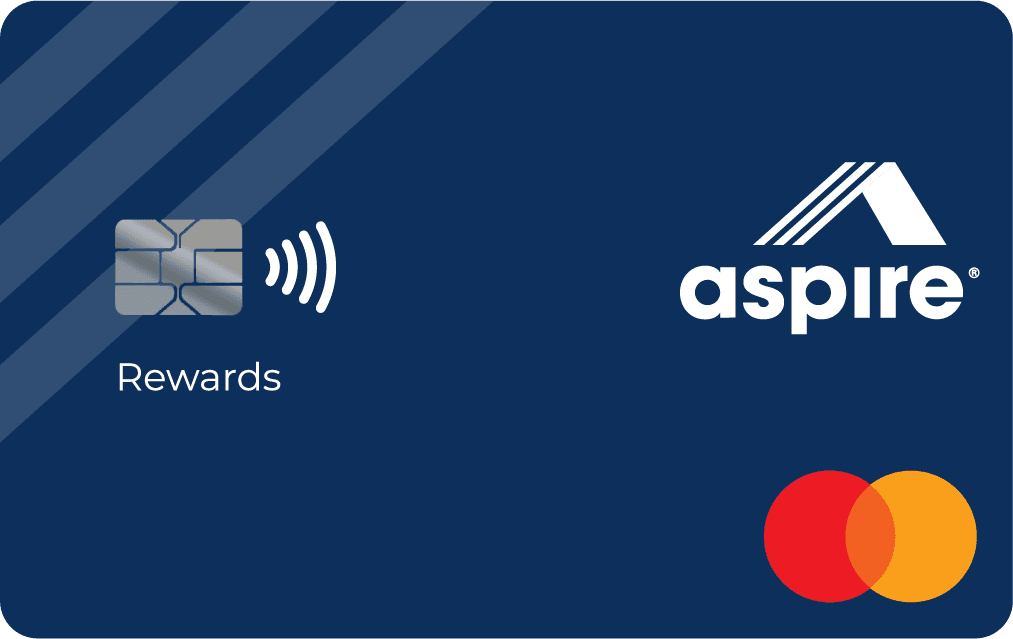
Aspire® Cash Back Rewards Mastercard. Prequalify* For Up To $1000 Credit Limit. No security deposit. Packed with great benefits, it’s designed to give you more flexibility—and purchasing power—along with up to 3% cash back rewards!** Good anywhere Mastercard is accepted, it’s the go-to card for any lifestyle.
Standout feature
Up to 3% cashback rewards**
Fees
$85–$175 first year, $229 thereafter (maintenance fees already included)
Pros
No Deposit Required. Prequalify* for up to $1000 credit limit
Cons
High APR, 36% Fixed.
To watch your score climb through that first year, it helps to track the number as your card reports. Creditship provides free credit monitoring, and Creditship flags exactly what is moving your score so a first-time user can see the on-time payments paying off month by month.
Creditship

Creditship
Get free credit monitoring and concrete advice how to improve your credit from Creditship AI.
Standout feature
AI Credit Coach. AI analyzes your credit report in depth and gives you tailored, actionable steps to raise your score.
Fees
Free
Pros
Free credit report access plus monitoring and alerts
Cons
No credit repair feature
Frequently Asked Questions
What is the easiest first credit card to get approved for?
The Self Visa Credit Card, OpenSky Secured Visa, and Current Build Card all have approval rates near 100% because they do not require existing credit. The Self Visa has no hard pull on application. OpenSky requires only a refundable deposit. Current accepts ITIN-only applicants for some products.
Can a first-time user get a credit card with no income?
Yes, with a credit-builder card. The Self Visa, OpenSky, and Current Build Card do not require income verification because the customer funds them with a deposit. Traditional unsecured cards (Discover, Capital One) require either income or a co-signer for applicants under 21.
What credit limit should a first credit card have?
A $300-$500 limit is ideal for a first card. The limit needs to be large enough to fit one recurring monthly expense (like a $9.99 subscription) without exceeding 10% utilization. Higher limits are not better for new users because they invite overspending.
How long until my first credit card reports to the bureaus?
Most credit card issuers report your first activity within 30-45 days of account opening. Self Visa, Capital One, and Discover all typically report within the first billing cycle. The first VantageScore appears 60-90 days after the first reported activity, which is when most free monitoring tools start displaying a number.



