
If you have never had a credit card before, you are a "new user" in the eyes of every lender. The credit bureaus do not have enough data on you to score, which is why traditional cards keep returning a quick decline. The fix is not a fancier application. It is a different category of card built specifically for people with no history.
This guide walks through what new users actually need to do in 2026, which categories of cards approve them, and how to graduate to a regular card faster.
Why New Users Get Declined Everywhere
A traditional FICO score requires at least one credit account that has been open for six months. Until then, the credit bureaus return a "no score" response, sometimes called a thin file. Most premium credit cards reject thin-file applicants automatically, even if their income is high.
That is not a credit problem. It is a data problem. The fix is to give the bureaus something to score, which means opening a starter account that reports to all three.
The Three Card Categories Built for New Users
When you have no history, three categories almost always approve you:
- Secured credit cards. You put down a refundable deposit, usually $100 to $500, and that becomes your credit limit. Self Visa® Credit Card, OpenSky, and Kikoff Secured Credit Card are the popular picks.
- No-credit-check cards. A small group of issuers skip the credit pull entirely and use bank-account data instead. Current Build Card and Kikoff Secured Credit Card both run no-credit-check approvals.
- Student cards. Issued to college students with a verified school enrollment. They have low credit limits but report like a regular card.
All three categories report to the major bureaus. That is the only feature that matters at this stage.
Our Top Picks for New Users
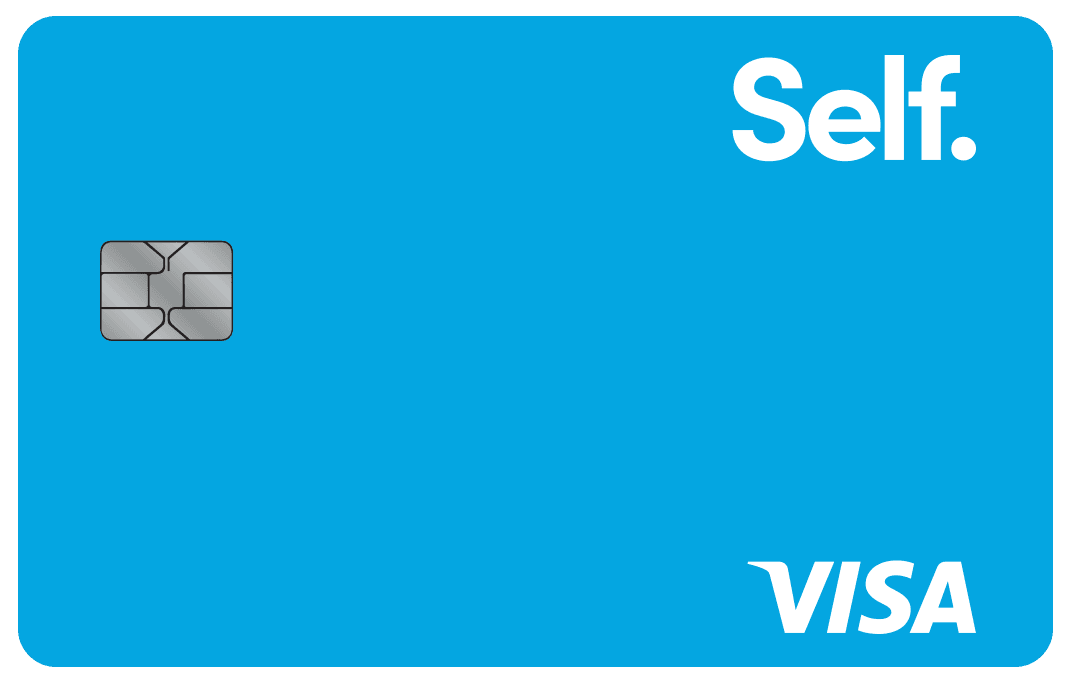
Self Visa® Credit Card. $0 intro annual fee in the first year, then $25. Reports to all three bureaus. Best for: a beginner who wants a starter card paired with a small savings habit through the Self Credit Builder Account.
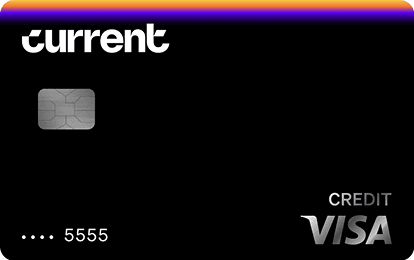
Current Build Card. $0 annual fee, no credit check, no minimum deposit. Best for: someone with no SSN history or who cannot lock up a deposit. As of February 2026, Current's website confirms the no-deposit, no-APR structure.
Kikoff Secured Credit Card. 0 percent interest, no credit check, works alongside the Kikoff Credit Account. Best for: a beginner who wants to avoid interest entirely.
OpenSky. No credit check required to apply. Refundable deposit determines the limit. Best for: a beginner who has been rejected for harder-to-qualify cards.
You only need one of these to start. Two is overkill in the first 90 days because each one adds a hard inquiry.
How to Apply Without a Mistake
Before the application, gather:
- Your full legal name as it appears on your government ID
- Your Social Security Number, ITIN, or passport number
- A current mailing address
- Proof of income, even part-time. Many issuers will accept allowance, scholarship, or freelance income.
- An email address you check daily
Fill out the form slowly. Do not include a stretched income figure. Income mismatches at later stages are a common reason for retroactive denial. If you live with parents or a roommate, list household income only if the issuer asks for it.
Apply only to one card at a time in the first 90 days. Each hard inquiry stays on your file for two years and can drop a brand-new score by 5 to 10 points.
What Happens in the First 90 Days
After approval, the issuer reports the new account to the bureaus within 30 to 45 days. Your first FICO score usually appears 60 to 90 days later. Some quick wins to help that first score start strong:
- Use the card for one or two recurring purchases, like a streaming subscription.
- Pay the statement balance in full every month. Carrying a balance does not help your score.
- Keep the balance below 30 percent of your limit on each statement, ideally below 10 percent.
- Set up auto-pay so you never miss a due date.
By day 90, most clean profiles read as 660 to 700 on FICO 8 — right in the fair credit tier — which is enough to qualify for most unsecured cards.
How to Graduate to a Regular Card
After 6 to 12 months of clean history, you can apply for a regular unsecured card with much better rates and rewards. The right move depends on your starter card.
- If you opened a Self Visa® Credit Card or OpenSky, request a graduation to an unsecured product after 6 months. Self promotes the deposit refund automatically once eligible.
- If you opened a Current Build Card or Kikoff Secured Credit Card, apply for a regular card from a different issuer after 9 to 12 months and let the starter account stay open in the background to anchor your file.
More credit history is better than less. Closing the starter account in the first year shortens your average account age, which lowers your score.
Where Most New Users Trip Up
Three mistakes to avoid:
- Applying to multiple cards in a single week. Hard inquiries pile up fast, and a thin file punishes inquiries more than a thick file does.
- Skipping the deposit and trying for a premium card first. Most issuers ignore thin-file applications regardless of income.
- Carrying a balance to "build credit." Interest paid does not help the score. On-time payments and low utilization do.
Use free credit monitoring tools like Dovly and Creditship to track the new score as it forms. Both apps push alerts when something updates on your report.
Ready to push your score higher? Our 12-month plan shows how do I get good credit step by step.
Frequently Asked Questions
Can I get a credit card with no credit history?
Yes. Cards built for new users skip the traditional credit pull or use a refundable deposit. The Self Visa® Credit Card, OpenSky, Current Build Card, and Kikoff Secured Credit Card all approve applicants with no credit history when income and ID match.
How long does it take to build a FICO score from zero?
A first FICO score appears about six months after a credit account starts reporting to a bureau. With one clean starter card and on-time payments, most new users see a score between 660 and 720 by month 9.
Will a secured card give me a refund of my deposit?
Yes. Secured cards return your deposit when you graduate to an unsecured product or close the account in good standing. Self Visa® Credit Card and OpenSky both refund deposits once eligibility criteria are met.
Should new users pay interest to build credit faster?
No. Carrying a balance does not improve your score. The smartest move is to pay each statement balance in full and let on-time payments and low utilization do the work.
Current Build Card
Current Build Card
$0 annual fee. No minimum deposit required. No credit check required. 1 point per dollar on eligible categories. Reports to Experian, TransUnion, Equifax.
Fee
$0
APR
0%
Minimum Deposit Amount
$0
Credit Check
No
Cashback
1 point/dollar on eligible categories (with qualifying payroll deposit)
Benefit
No credit check, no deposit minimum




