Fair credit means a FICO score between 580 and 669, or a VantageScore between 601 and 660 depending on the model. You are not in subprime territory, but you are also not yet in the prime range that unlocks the best rewards cards.
Here is what cards typically approve fair-credit borrowers, and the playbook that pushes your score into the good-credit tier (670+) within 6 to 12 months.
How Issuers See Fair Credit
Lenders care more about score plus profile than the score alone. A 620 with no derogatory marks and steady income reads safer than a 660 with a recent collection. Most fair-credit cards still pull a hard inquiry and look at:
- Total revolving balances and utilization.
- Recent inquiries and new accounts.
- Stability of income and address.
- Any 30-, 60-, or 90-day late payments in the last 12 months.
Fair-credit applicants typically get starting limits of $300 to $1,000 and APRs in the 22% to 30% range. Before applying, it's worth knowing exactly how that inquiry will read on your file. Our explainer on what a hard credit check is and how much it costs your score walks through the typical 5 to 10 point dip and how long the inquiry stays visible to underwriters. If you are not sure an unsecured card is realistic yet, our guide on how to get a credit card with bad credit covers the secured and starter routes too.
Our Top Picks for Fair Credit
These cards have the best mix of approachable approval and useful features for fair-credit applicants. The first four are our top picks because they accept fair credit with no security deposit and report to all three bureaus.
1. Aspire® Cash Back Rewards Mastercard (no deposit, 580+ FICO). Aspire is one of the few truly unsecured cards for fair credit that also pays real rewards. There is no security deposit, you can prequalify for a limit up to $1,000 with only a soft pull, and you earn up to 3% cash back on everyday categories. It reports to all three bureaus, which is what makes it a genuine credit-building tool.
Aspire® Cash Back Rewards Mastercard
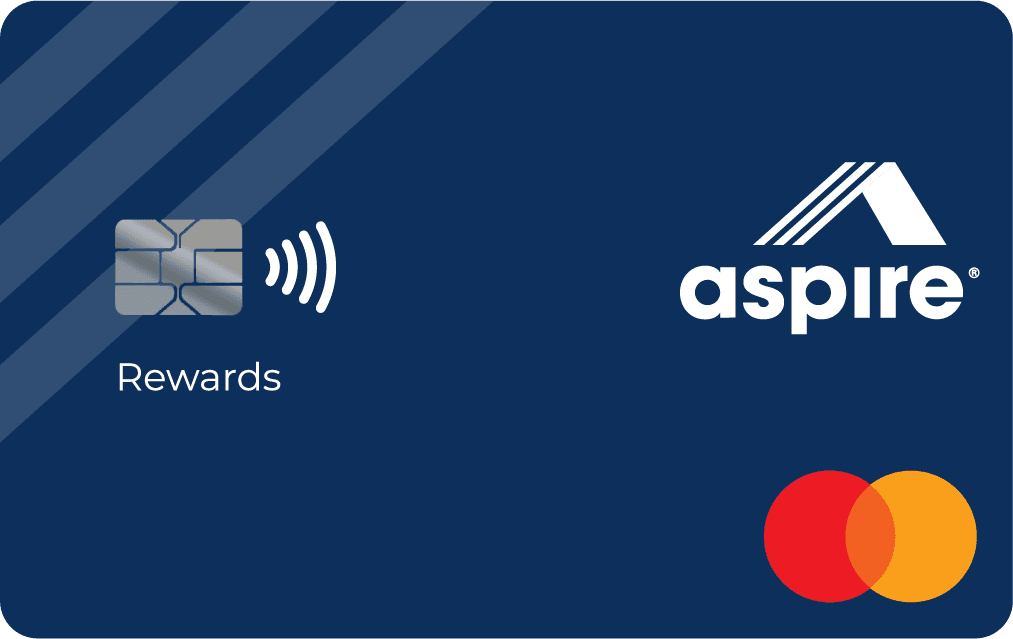
Aspire® Cash Back Rewards Mastercard
Aspire® Cash Back Rewards Mastercard. Prequalify* For Up To $1000 Credit Limit. No security deposit. Packed with great benefits, it’s designed to give you more flexibility and purchasing power, along with up to 3% cash back rewards!** Good anywhere Mastercard is accepted, it’s the go-to card for any lifestyle.
Standout feature
Up to 3% cashback rewards**
Fees
$85–$175 first year, $229 thereafter (maintenance fees already included)
Pros
No Deposit Required. Prequalify* for up to $1000 credit limit
Cons
High APR, 36% Fixed.
2. Perpay Credit Card (paycheck-linked). Perpay is unique because you pay through automatic paycheck deductions, which makes on-time payment effortless. There is no hard credit check and no security deposit, and approval is based on your income rather than your score. Perpay accepts thin-file and fair-credit applicants, reports to all three bureaus, and members see an average 32-point increase in their first few months.
Perpay Credit Card
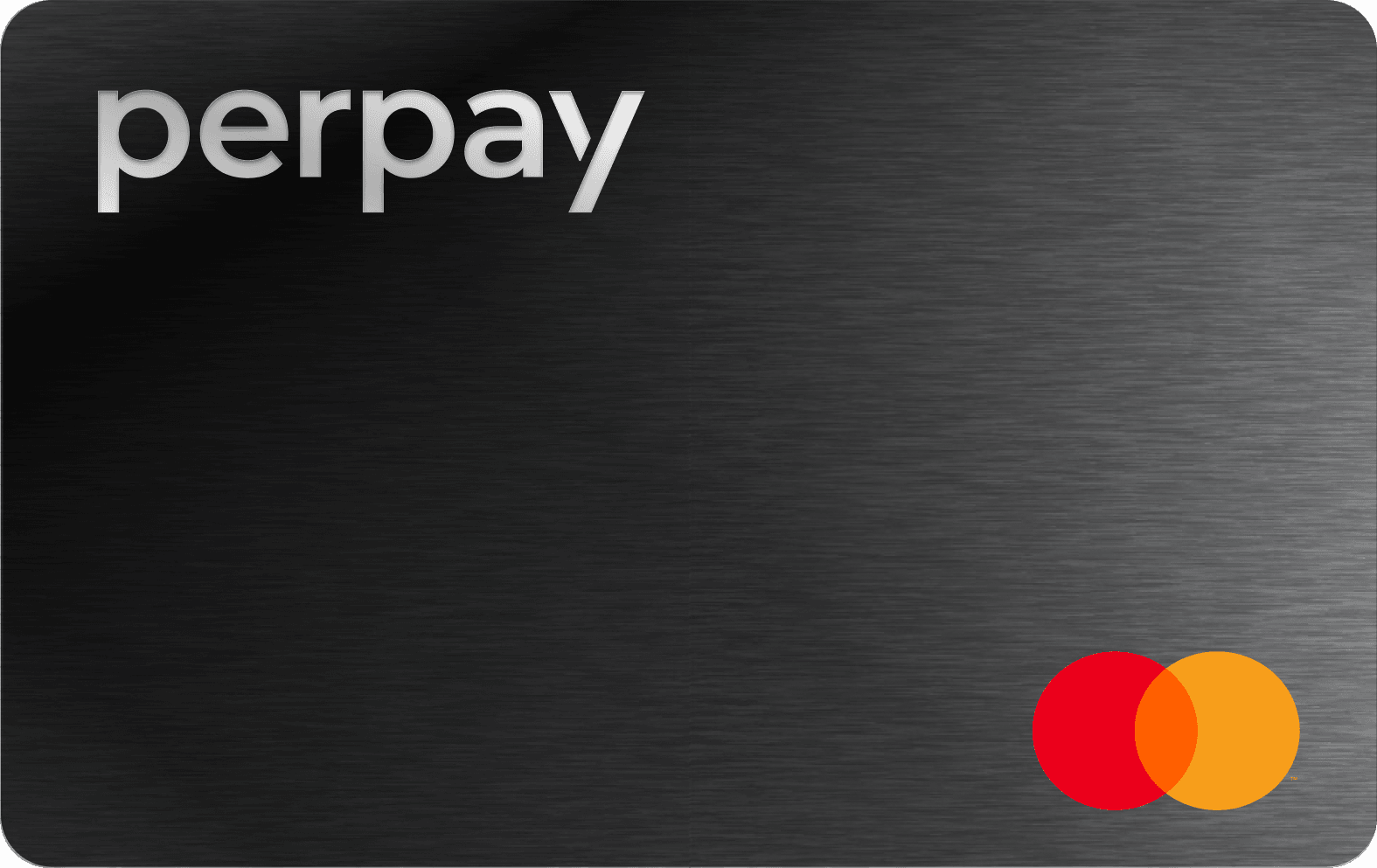
Perpay Credit Card
Meet the only card powered by your paycheck. With automatic transfers from your paycheck, you can manage payments stress-free and build credit with ease.
Fee
$9/month plus $9 account opening fee
APR
Marketplace: 0% / Credit Card: 27.74% to 29.99% depending on your creditworthiness.
Minimum Deposit Amount
$0
Credit Check
No
Cashback
2% reward on purchases made in Perpay Marketplace
Benefit
2% rewards, no security deposit
3. Arro Credit Card (no deposit, no hard check). Arro is a no-deposit unsecured card built for thin, fair, and rebuilding credit, with instant decisions in the mobile app and no hard inquiry at signup. You can start with a limit around $300 to $1,000 and grow it toward $2,500 as you make on-time payments, and it reports to all three bureaus monthly. Read our full Arro Credit Card review for fees and approval odds.
Arro Card
Arro Card
No deposit. No hard credit check. Start with up to $300 and grow your credit line to $2,500 by completing in-app tasks. Earn 1% cash back on gas and groceries, including Walmart and Target.
Standout feature
Unsecured, no deposit required
Fees
Up to $60 a year membership
Pros
1% cash back on gas & groceries
Cons
Starting credit limit up to $300
4. Avant Credit Card (no deposit, limits up to $3,000). This unsecured Mastercard, issued by WebBank, is built for fair or rebuilding credit and can give you a higher limit than most no-deposit starter cards, from $300 to $3,000. You can check if you prequalify with a soft credit check that does not affect your score, and it reports to Equifax, Experian, and TransUnion. As of October 2026, the APR is high at 29.99% to 35.99% variable, and the annual fee is $0 to $75 when you apply on the card's own website (other offers can charge up to $125), so plan to pay in full each month. Read our full Avant Credit Card review for fees and approval odds.
Avant Credit Card
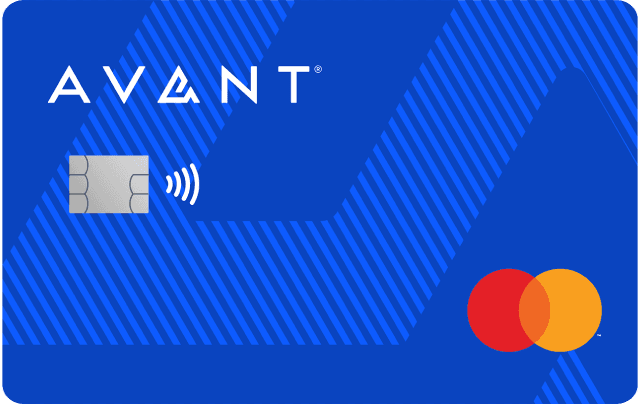
Avant Credit Card
An unsecured Mastercard for fair or rebuilding credit. Checking if you qualify won't affect your credit score. Avant branded credit products are issued by WebBank.
Standout feature
See if you qualify with no impact to your credit score
Fees
Annual membership fee of $0 to $75 for website applications. See Avant's terms.
Pros
No security deposit. Credit limits from $300 to $3,000.
Cons
High APR and an annual fee of up to $75.
Beyond the top four, these mainstream issuers also approve fair credit and are worth comparing:
Capital One Platinum Credit Card ($0 annual fee). Unsecured, designed for fair credit, no rewards. Best for a no-fee starter unsecured card with quick credit-line reviews after 6 months.
Capital One QuicksilverOne ($39 annual fee). 1.5% cash back on every purchase. Best for fair-credit applicants who want flat-rate rewards without graduating first.
Discover it Secured ($0 annual fee, refundable deposit from $200). 2% cash back on gas and restaurants up to $1,000 per quarter, 1% elsewhere. Best for rebuilding credit while earning real rewards.
OpenSky Plus Secured Visa ($0 annual fee, $300 minimum deposit). No credit check at all. Best for applicants with bruised fair credit who want to avoid another hard inquiry.
Self Visa® Credit Card ($0 first-year annual fee, no traditional deposit). Unlocks alongside a Self Credit Builder Account, so you build savings and credit at the same time. Read our full Self Credit Builder Card review for the breakdown.

How to Choose Between These Picks
Here is how the nine cards compare on the factors that matter most for fair credit:
| Card | Credit Needed | Typical Limit | APR | Deposit | Annual Fee |
|---|---|---|---|---|---|
| Aspire® Cash Back Mastercard | 580+ FICO (bad to fair) | $350-$1,000 | 29.99%-36% fixed | None | $85-$175 (year 1) |
| Perpay Credit Card | No score minimum (income-based) | Up to $1,500 | 27.74%-29.99% | None | ~$108/yr ($9/mo) |
| Arro Credit Card | Thin, fair, or rebuilding | $300-$2,500 | ~25%-30% | None | $60/yr |
| Avant Credit Card | Fair or rebuilding | $300-$3,000 | 29.99%-35.99% | None | $0-$75 (on avant.com) |
| Capital One Platinum | Fair (580+) | Varies | 28.99% | None | $0 |
| Capital One QuicksilverOne | Fair (580+) | Varies | 28.99% | None | $39 |
| Discover it Secured | Rebuilding (any) | $200-$2,500 (= deposit) | 26.49% | $200 min | $0 |
| OpenSky Plus Secured Visa | No credit check | $300-$3,000 (= deposit) | 28.24% | $300 min | $0 |
| Self Visa® Credit Card | No credit check | Based on builder account | ~28.24% | Via Self Credit Builder Account | $0 first year, then $25 |
Rates and fees are verified as of June 2026 (Avant as of October 2026). APRs are variable and depend on your creditworthiness (Aspire's rate is fixed), so confirm current terms on each issuer's site before applying.
If you can afford a deposit: Discover it Secured or OpenSky Plus give you the cleanest score boost with zero annual fee.
If you cannot afford a deposit: Capital One Platinum is the cheapest unsecured option for fair credit. The downside is no rewards.
If you want rewards immediately: Capital One QuicksilverOne charges a $39 annual fee but earns 1.5% back, which beats no rewards if you spend more than $2,600 a year on the card.
If you want the easiest approval with rewards: The Aspire Mastercard pairs no-deposit access with up to 3% cash back, while Perpay and Arro skip the hard credit check entirely.
The 6-Month Plan to Reach Good Credit
Fair credit can become good credit in two scoring cycles if you focus on the right levers.
Month 1. Pull free reports from all three bureaus at annualcreditreport.com. Dispute any errors. Pay down any single card above 30% utilization.
Month 2. Apply for one fair-credit card from the top picks. Use it for $30 to $50 of monthly spend. Set up auto-pay for the full balance.
Months 3 to 4. Avoid new applications. Let the new tradeline report twice. Keep utilization under 10% on every card by paying balances before the statement closes.
Months 5 to 6. Most users see a 30 to 60 point lift by month 6. If your score crosses 670, apply for a true rewards card like Chase Freedom Unlimited or Capital One SavorOne.
Use a free monitor to watch each tradeline move. Creditship is a free AI credit monitor that tracks all three bureaus and shows which actions are actually moving your score, which is the fastest way to confirm the 6-month plan is working.
Creditship

Creditship
Get free credit monitoring and concrete advice how to improve your credit from Creditship AI.
Standout feature
AI Credit Coach. AI analyzes your credit report in depth and gives you tailored, actionable steps to raise your score.
Fees
Free
Pros
Free credit report access plus monitoring and alerts
Cons
No credit repair feature
What Hurts a Fair-Credit Score the Most
The trap most fair-credit borrowers fall into is treating one card like a savings account. Three patterns kill the score gain:
- Maxing out the card. A $500 limit with a $480 balance is 96% utilization, which can drop the score 50 points even if you never miss a payment.
- Carrying balances and paying minimums. Interest of 25%+ piles up faster than the score gain. Pay in full every cycle.
- Applying for multiple cards at once. Each hard inquiry is a 5-point hit, and the new tradelines drop your average account age.
Use a free credit monitoring tool to watch the score move week to week. Catching a sudden drop early gives you time to fix it.
When to Move Up the Card Ladder
At a 670+ score, you qualify for cards with no annual fee that pay 1.5% to 2% on every purchase. At 700+, the major travel cards and 5% rotating-category cards open up. At 740+, the entire card market is essentially yours.
If the secured card that got you here is still your only tradeline, ask the issuer about an in-product upgrade before opening a brand-new account. Our roundup of secured credit cards that graduate to unsecured flags which issuers automatically return the deposit and convert the line once your score qualifies, which preserves your account age.
The path matters: keep your fair-credit card open even after you upgrade. Closing your first card hurts your average account age and can drop the score 20 to 40 points. Use it for one small recurring charge (like a streaming subscription) and let the auto-pay handle the rest.
What Real Users Say
On r/CreditCards, one user with a 615 starting score reported that the Capital One Platinum "reported within 30 days, cleared utilization, and the score climbed to 668 in 90 days." Another wrote that the QuicksilverOne "is fine for the first year, but ditch it for SavorOne or Quicksilver no-fee once you cross 700, the $39 stops paying for itself."
Frequently Asked Questions
Can you get an unsecured credit card with fair credit?
Yes. Capital One Platinum, Capital One QuicksilverOne, Aspire, and several store cards regularly approve fair-credit applicants without a deposit. Approval odds are best at 620 or higher.
What is the easiest credit card to get with fair credit?
Secured cards like Discover it Secured and OpenSky Plus have the highest approval rates because they do not run a hard credit check or only run a soft one. Among unsecured options, Aspire, Perpay, and Capital One Platinum are the easiest.
How long does it take to go from fair credit to good credit?
Most borrowers move from fair to good credit (580 to 670+) in 4 to 8 months with on-time payments, low utilization, and no new derogatory marks. A new credit-builder tradeline accelerates the timeline.
Should I pay off my balance in full or carry a balance?
Always pay in full. Carrying a balance does not improve your credit score. It only costs interest. The myth comes from confusion: lenders want to see the card used, but utilization is calculated from your statement balance, which can be paid off after the statement closes.

The Firstcard team writes simple, research-backed guides on credit, cards, and credit building. Firstcard has been helping people build credit and save money since 2020. Full profile and latest articles →