
Most people know their score moves up and down without knowing why. With credit score factors explained clearly, you can spot which habits help and which ones quietly drag the number down. The five inputs are not equal, so prioritizing matters.
This guide breaks down each factor, ranks them by weight, and shows the levers that move scores fastest. Apply the top two and you will see results within a few months.
The Five Inputs FICO Uses
FICO weighs five things: payment history, amounts owed, length of credit history, new credit, and credit mix. The percentages have stayed roughly the same for years. VantageScore uses similar inputs with slightly different weights.
Knowing the weights helps you focus. A late payment hurts much more than a single new card. A maxed-out card hurts more than a thin file. Spend time where the weight is highest.
Payment History Is the Heaviest Factor
Payment history makes up about 35% of a FICO score. Every on-time payment helps. Every late payment of 30 days or more shows up on your report and stays for seven years.
Autopay the minimum on every account. Then schedule a calendar reminder to pay any extra. Even one late payment on a credit card or installment loan can knock 50 to 100 points off a strong score. Watching your score month to month helps you catch a missed payment or a surprise change before it does lasting damage. Creditship gives you free credit monitoring with personalized AI guidance, so you can see how each on-time payment moves the needle.
Creditship

Creditship
Get free credit monitoring and concrete advice how to improve your credit from Creditship AI.
Standout feature
AI Credit Coach. AI analyzes your credit report in depth and gives you tailored, actionable steps to raise your score.
Fees
Free
Pros
Free credit report access plus monitoring and alerts
Cons
No credit repair feature
Amounts Owed and Utilization
About 30% of your score comes from amounts owed. The biggest piece inside this category is credit utilization, the percentage of revolving limits you are using. Under 30% is a baseline, under 10% is ideal.
Balances on installment loans matter less, though paying down a car or student loan helps. Pay revolving cards before the statement closes so the reported balance is low. That single move can lift scores within a billing cycle.
Length of Credit History
Length of credit history is roughly 15% of the score. Lenders look at the age of your oldest account, your newest account, and the average age across the file. Older is better.
Do not close old cards on a whim. Closing your oldest account drops the average age and may shrink your available credit. Keep a tiny recurring charge running and let the card stay alive.
New Credit and Hard Inquiries
New credit is about 10% of the score. Each application triggers a hard inquiry, which can drop the score by a few points and stays on the report for two years, though most scoring effects fade after six months.
Apply only when you need credit. Stacking applications in a short window can suggest financial stress. The exception: rate shopping for mortgages or auto loans within a 14- to 45-day window usually counts as a single inquiry. It also pays to make sure the items already on your report are accurate, since errors can drag a score down as much as a real misstep. Dovly uses an AI engine to find and fix report errors and can lift scores by 34 or more points for free.

Credit Mix
Credit mix accounts for the last 10%. Scoring models like seeing both revolving accounts, like credit cards, and installment loans, like auto or personal loans. A file with only one type can score lower than a balanced file at the same balance level.
Do not open a loan you do not need just for the mix bonus. The benefit is small. But if you are choosing between two products, picking the one you do not already have can help.
Use the Right Starter Products
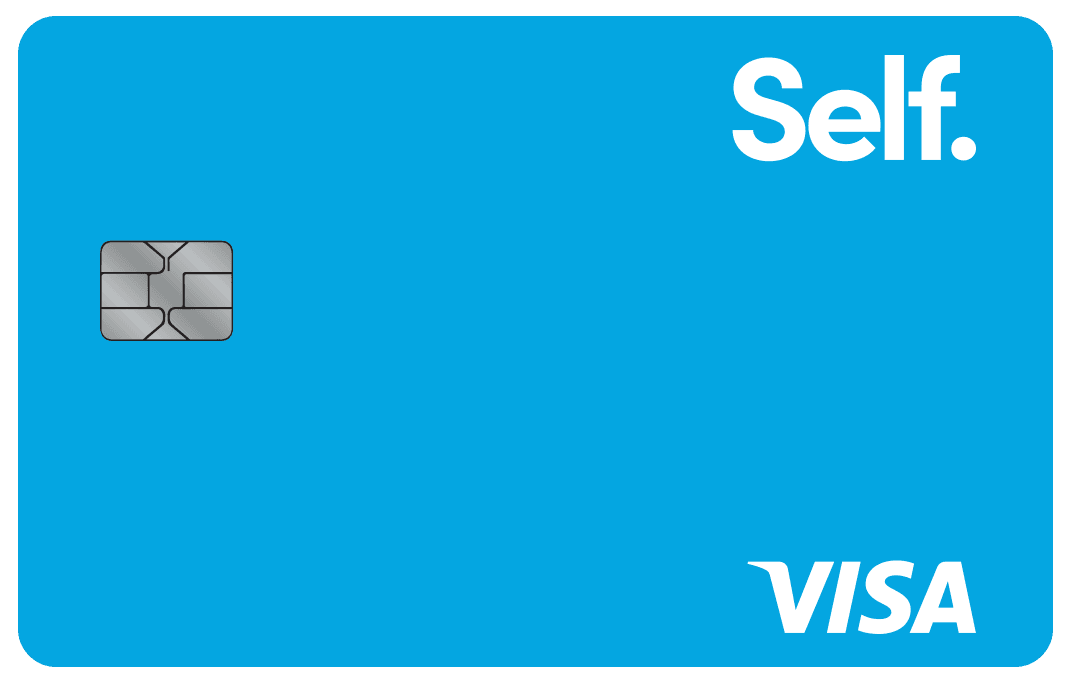
If you are early in your credit journey, the type of account you open matters. The Self Visa® Credit Card is one option that combines a credit-builder loan with a secured card, which may help build both installment and revolving history at the same time. Terms and conditions apply, and qualification depends on Self’s account criteria.
Firstcard reviews starter products in plain language so you can compare options without marketing fluff. Match the product to the gap in your file, not to a flashy ad.
Putting the Factors in Order
Build your routine around the heavy hitters. First, never pay late. Second, keep utilization low and pay before the statement closes. Third, leave old accounts open so your average age keeps growing.
Reserve new applications for real needs. Round out the file with a mix of account types as your score allows. Firstcard recommends a quarterly review of your three reports so you can adjust before issues snowball.
Related Reading
- Credit Report vs Credit Score: Key Differences Explained
- Credit Score Ranges Explained: What's Good, Fair, and Poor?
- What Does FICO Mean? The Credit Score Explained
- What Is a Good Credit Score? Ranges Explained
- What Is VantageScore 4.0? The Newest Credit Score Model Explained
Frequently Asked Questions
Which credit score factor moves the score fastest?
Utilization. Paying down revolving balances before the statement closes can lift the score within one billing cycle. Payment history is more important long term, but it changes slowly because each month adds only one data point.
Does checking my own credit score lower it?
No. A self-check is a soft inquiry and never affects the score. Only hard inquiries from credit applications can ding it. Monitor as often as you like through your bank app or a free service.
How long do negative items stay on my report?
Late payments, collections, and most negative items stay for seven years. Chapter 7 bankruptcies can stay for 10. Their impact fades over time, especially if newer positive activity surrounds them.
Should I open new credit to improve my mix?
Only if you would benefit from the product anyway. The credit mix factor is small, around 10%, and the temporary hit from a new application can offset the gain. Focus on payment history and utilization first.




