
Current Banking is one of the most-talked-about mobile-first banks in the US. The pitch: no monthly fee, no minimum balance, fee-free overdraft up to $200, direct deposits up to two business days early, and up to 4.00% APY on savings. For people who would rather use a phone than a branch, the appeal is obvious. The same early-paycheck idea also shows up in our early wage access guide.
Is Current actually a good fit for everyday banking? Here is the full review, including what works, where it falls short, and how it compares to alternatives like Chime, Capital One 360, and SoFi.
Current Banking at a glance
Monthly fee: $0.
Minimum balance: None.
Overdraft fees: $0. Fee-free overdraft up to $200 for qualifying members.
APY on savings pods: Up to 4.00% with qualifying direct deposit — the same range covered in our guide to a good APY for a high-yield savings account.
Early direct deposit: Up to 2 business days early.
Cash deposits: Yes, at participating retailers like Walmart, 7-Eleven, and Family Dollar.
ATM network: 40,000+ free ATMs via the Allpoint network.
Best for: People who get paid via direct deposit, want a mobile-first experience, and need a clean banking setup without surprise fees.
How Current actually works
Current is a fintech, not a chartered bank itself. The deposits are held at Choice Financial Group and Cross River Bank, both FDIC-insured up to $250,000 per depositor. The app handles everything else: account management, transfers, savings pods, the debit card, and bill pay.
There are no physical branches. Customer service is via chat and phone through the app.
Current Banking

Current Banking
Current is a mobile-first banking app with no monthly fee and no minimum balance. Members can earn up to 4.00% APY with a qualifying direct deposit of $200, receive direct-deposit paychecks up to 2 days early, and overdraft up to $200 fee-free.
Standout feature
4.00% APY on Savings Pods (with a $200+ qualifying direct deposit) plus paycheck up to 2 days early — both included on the standard account for free
Fees
Free
Pros
$0 monthly fee; up to 4.00% APY on Savings Pods with qualifying direct deposit; paycheck up to 2 days early;
Cons
No physical branches
What Current Banking does well
Truly free. $0 monthly fee, no minimum balance, no overdraft fees. Other banks marketing "free checking" often have a $5 to $12 fee with waiver requirements. Current has none. (For more on getting a no-cost debit card without a hidden fee structure, see how to get a free debit card.)
Direct deposit up to 2 days early. When your employer submits the ACH file, Current releases the funds as soon as they are notified, not on the official payday. For people living paycheck to paycheck, two days of early access can be the difference between paying rent on time and getting hit with a late fee.
Fee-free overdraft. Members who direct deposit $500 or more per month can overdraft up to $200 without paying the $27+ overdraft fees most traditional banks charge. The qualification is simple: receive at least one qualifying direct deposit each month.
Savings pods at up to 4% APY. Current lets you split your money into multiple "pods" with different goals — distinct from your main checking account balance. The high-yield pods pay competitive APY with qualifying direct deposit.
Cash deposits at retailers. Many online-only banks make cash deposits painful or impossible. Current's Walmart and 7-Eleven cash deposit option is genuinely useful.
Free ACH transfers. Standard ACH transfers in and out are free, the same default we cover in the free online ACH transfer guide.
Strong app experience. The interface is fast, transactions categorize cleanly, and the in-app card controls (freeze, virtual cards) work well.
Where Current falls short
Not a chartered bank itself. Deposits are at partner banks. This is normal for fintechs and the FDIC insurance is the same, but some users prefer dealing directly with a traditional bank.
Limited credit-building features. The Current Build Card is a separate product designed for credit building. The Current checking account itself does not build credit, because debit purchases do not report to the credit bureaus.
Branch service unavailable. All support is via chat and phone. If you prefer in-person banking, Current is not the right pick.
Wire transfer support is limited. International wires are not supported. Use Wise or MoneyGram for international sends.
No checks. No paper checks for personal accounts. If you need to write paper checks regularly, you need a different account.
How Current compares to alternatives
Current vs. Chime. Both offer $0 fees, early direct deposit, and fee-free overdraft. Chime's SpotMe covers up to $200, similar to Current's. Current edges Chime on the savings APY tiers and on cash deposit options.
Current vs. Capital One 360. Capital One has actual branches and a stronger product suite for credit and lending. Current wins on the mobile-first experience, savings APY, and early direct deposit.
Current vs. SoFi Bank. SoFi pays a higher APY on the full checking balance (around 4.00% with direct deposit), while Current keeps the high yield in savings pods. SoFi has integrated investing and lending. Current has the cash deposit and overdraft edge.
Pair Current with credit building
A bank account does not build credit on its own. To grow credit alongside Current Banking, pair it with a credit-builder product. The Current Build Card is Current's in-house credit-builder product and is the natural pairing, especially for users who do not have an SSN.
Current Build Card
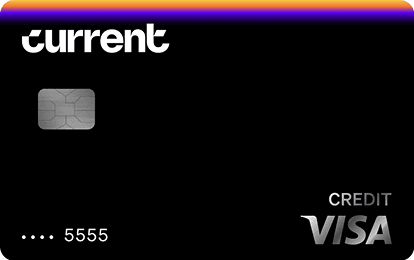
Current Build Card
$0 annual fee. No minimum deposit required. No credit check required. 1 point per dollar on eligible categories. Reports to Experian, TransUnion, Equifax.
Fee
$0
APR
0%
Minimum Deposit Amount
$0
Credit Check
No
Cashback
1 point/dollar on eligible categories (with qualifying payroll deposit)
Benefit
No credit check, no deposit minimum
The Self Visa® Credit Card and Self.Inc Credit Builder Account are widely used alternatives that report on-time payments to all three bureaus. The combination of a credit-builder loan plus a secured Visa from the same provider tends to lift thin credit files faster than a single tradeline alone.

Free credit monitoring through Creditship lets you watch your score change as the new tradelines start reporting. Dovly's AI engine can dispute errors on your credit report, a common reason scores stay stuck.
The Bottom Line on Current Banking
For direct-deposit households who do their banking from a phone, Current lands cleanly on the strengths that matter: zero monthly fees, the two-day-early paycheck, fee-free overdraft up to $200, and savings pods that earn up to 4.00% APY. The trade-off is no branches, no paper checks, and no international wires. If that mix lines up with how you actually move money, opening a Current account takes a few minutes from the app.
Current Banking
Current Banking
Current is a mobile-first banking app with no monthly fee and no minimum balance. Members can earn up to 4.00% APY with a qualifying direct deposit of $200, receive direct-deposit paychecks up to 2 days early, and overdraft up to $200 fee-free.
Standout feature
4.00% APY on Savings Pods (with a $200+ qualifying direct deposit) plus paycheck up to 2 days early — both included on the standard account for free
Fees
Free
Pros
$0 monthly fee; up to 4.00% APY on Savings Pods with qualifying direct deposit; paycheck up to 2 days early;
Cons
No physical branches
Who should switch to Current Banking
Four profiles where it fits.
You get paid via direct deposit and want your money two days earlier.
You have been paying overdraft fees and want a clean account that simply does not charge them.
You prefer mobile-first banking with no branch visits.
You want to build savings habits with multiple goal-based pods.
Who should look elsewhere
If you regularly write paper checks, need branch banking, or wire money internationally, a traditional bank or Capital One 360 is a better pick. If your priority is the highest possible APY on the full checking balance rather than a separate savings pod, SoFi Bank may pay more.
Frequently Asked Questions
Is Current Banking actually free?
Yes. Current charges $0 monthly fee, has no minimum balance requirement, and has no overdraft fees for qualifying members. The account also does not charge for the debit card, mobile check deposit, or standard ACH transfers. The main paid services are out-of-network ATM withdrawals beyond the included free network and some specialty transactions.
Is Current Banking FDIC insured?
Yes. Current is a fintech that holds member deposits at FDIC-insured partner banks, Choice Financial Group and Cross River Bank. Each member is covered up to $250,000 per depositor per bank. This is the same FDIC coverage you would get at a traditional bank.
How fast can I get my paycheck with Current?
Current releases direct deposit funds as soon as they receive the ACH file from your employer, which is typically 1 to 2 business days before the official payday. The exact timing depends on when your employer's payroll provider submits the ACH file. Most members see their full paycheck up to 2 days early.
Can Current Banking help me build credit?
The Current Banking checking account itself does not build credit because debit purchases are not reported to the credit bureaus. Current offers a separate product, the Current Build Card, that does build credit by reporting payment history to Experian, TransUnion, and Equifax. For credit building alongside the checking account, the Self Visa® Credit Card and Self.Inc Credit Builder Account are also strong options.




