
What Is the First Digital Credit Card?
The First Digital Mastercard is an unsecured credit card aimed at people with bad or limited credit. It is issued by Synovus Bank and serviced through First Digital's platform.
Most first digital credit card reviews focus on the same point: the card approves thin credit files, but the fees add up fast. A closer look at the numbers shows why.
The card carries no security deposit, which is its main appeal. For applicants who cannot spare cash for a deposit, it can feel like the only option.
First Digital Credit Card Fees in 2026
The fee structure is the most important part of any first digital credit card review. As of April 2026, here is what cardholders report paying.
Annual Fee
The annual fee is approximately $75 in the first year, as of April 2026. It renews at around $48 each following year, billed directly to the card.
Program Fee
A one-time program fee of around $95 is charged before the card is activated, as of April 2026. This is separate from the annual fee.
Monthly Servicing Fee
A monthly servicing fee of roughly $6.25, or $75 per year, kicks in during the second year, as of April 2026. It is waived in year one.
Other Fees
Additional card fees can run about $20 per authorized user. Late payment fees can reach $41, as of April 2026.
APRs vary by creditworthiness and have been reported near 35 percent. Terms and conditions apply, and fees can change without much notice.
What the Card Offers in Return
The First Digital Mastercard reports payment activity to all three major credit bureaus. On-time use can help rebuild a thin or damaged credit file.
It works anywhere Mastercard is accepted, which is a plus over store-only cards. The initial credit limit is usually around $300, minus fees.
That low limit is the biggest catch. After the program fee and first-year annual fee, the available credit on day one can drop below $150.
What Real Users Say
Below are representative quotes drawn from Reddit and Trustpilot threads about the card. These are sample user voices, not endorsements.
A Positive View
"Approval was fast and my score went up 30 points after three months of paying on time," wrote one Trustpilot reviewer. That matches the card's core promise: easy approval with bureau reporting.
A Critical View
"The fees ate half my credit limit before I even used the card," posted one Reddit user in r/CreditCards. Another Trustpilot user added, "I canceled after a year because the monthly fee made it useless compared to a secured card."
Real user voices often land in the same place: the card works, but it works expensively.
Is the First Digital Credit Card Worth It?
For a consumer with no cash for a deposit and urgent credit to build, it can be a last-resort tool. The bureau reporting is real, and approval odds are higher than most unsecured cards.
For almost everyone else, the fee stack outweighs the benefit. A secured card with a refundable deposit usually costs less over a year and offers the same credit-building benefit.
Better Alternatives to the First Digital Card
Secured cards turn the fee problem on its head. The deposit is refundable when the account closes in good standing, so it functions more like savings than a fee.
A strong alternative is OpenSky, which requires no credit check to apply and has a $35 annual fee, as of April 2026. Deposits start at around $200 and act as the credit line.

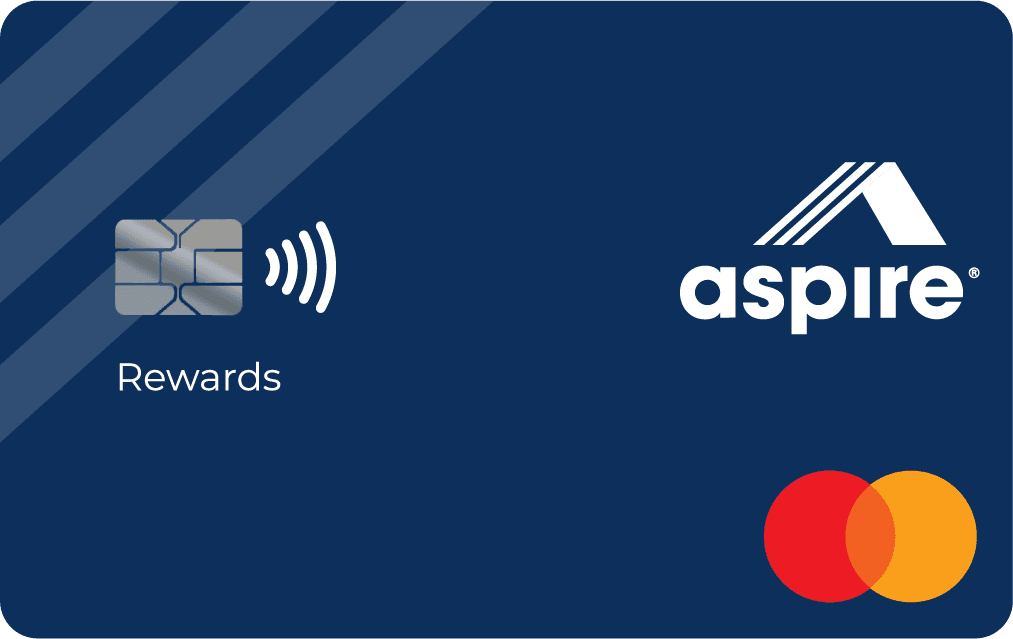
If the appeal of First Digital was specifically the no-deposit, unsecured angle, the Aspire Mastercard is a closer apples-to-apples swap. It runs a soft-pull prequalification so checking your odds does not ding your score, the annual fee is lower than First Digital's stacked program + annual + monthly fees, and the credit line is genuinely unsecured. It still reports to all three bureaus, so the credit-building math works the same.
Aspire® Cash Back Rewards Mastercard
Aspire® Cash Back Rewards Mastercard
Aspire® Cash Back Rewards Mastercard. Prequalify* For Up To $1000 Credit Limit. No security deposit. Packed with great benefits, it’s designed to give you more flexibility—and purchasing power—along with up to 3% cash back rewards!** Good anywhere Mastercard is accepted, it’s the go-to card for any lifestyle.
Standout feature
Up to 3% cashback rewards**
Fees
$85–$175 first year, $229 thereafter (maintenance fees already included)
Pros
No Deposit Required. Prequalify* for up to $1000 credit limit
Cons
High APR, 36% Fixed.
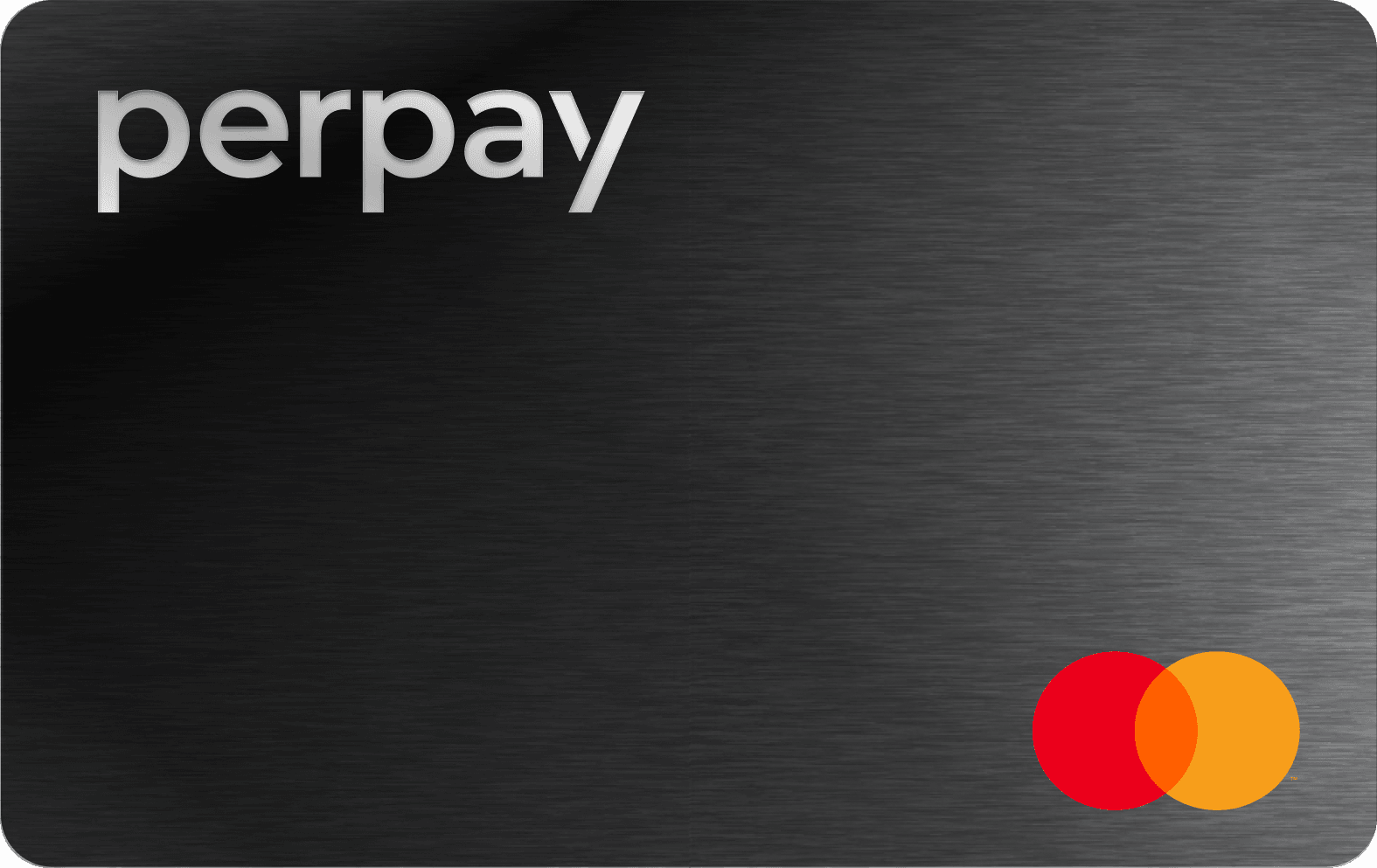
Another option to consider is the Perpay Credit Card. There is no credit check at signup, no annual fee, and payments come straight out of your paycheck, which removes the late-payment risk that drives so many of First Digital's $41 late fees. Perpay reports to the bureaus, so on-time activity rebuilds your file without you having to think about it each month.
Perpay Credit Card
Perpay Credit Card
Meet the only card powered by your paycheck. With automatic transfers from your paycheck, you can manage payments stress-free and build credit with ease.
Fee
$9/month plus $9 account opening fee
APR
Marketplace: 0% / Credit Card: 27.74% to 29.99% depending on your creditworthiness.
Minimum Deposit Amount
$0
Credit Check
No
Cashback
2% reward on purchases made in Perpay Marketplace
Benefit
2% rewards, no security deposit
Before any of this, it is worth pulling your file with Creditship so you actually know what is dragging your score down. If your only issue is utilization or a single old collection, you may qualify for a cleaner card than First Digital and avoid the fee stack entirely.
Creditship

Creditship
Get free credit monitoring and concrete advice how to improve your credit from Creditship AI.
Standout feature
AI Credit Coach. AI analyzes your credit report in depth and gives you tailored, actionable steps to raise your score.
Fees
Free
Pros
Free credit report access plus monitoring and alerts
Cons
No credit repair feature
Other solid secured picks include:
Self Visa® Credit Card
The Self Visa® Credit Card pairs a Credit Builder Account with a secured card. The deposit comes from savings built inside the builder account, so the out-of-pocket cost is spread out over months.
Kikoff Secured Credit Card
Kikoff offers a secured Visa with low monthly fees and no interest charges when balances are paid on time. It reports to the major credit bureaus each month.
Current Build Card
The Current Build Card has no annual fee and links to a Current spending account. It reports to the credit bureaus and does not require a traditional credit check.
APRs vary by creditworthiness for every card listed. Terms and conditions apply, and fee structures can change.
How the Numbers Compare
First year of First Digital costs can run around $170 between the annual fee and program fee, as of April 2026. Year two can add $123 or more with the monthly servicing fee.
A secured card with a $35 annual fee and a refundable $200 deposit costs $35 net per year. Over two years, the savings are easy to see.
The Bottom Line
Most first digital credit card reviews tell the same story: the card works for credit building, but the fees are heavy. If any cash is available for a deposit, a secured card usually wins on cost and flexibility.
Related Reading
- U.S. Bank Secured Credit Card
- Discover it Secured Credit Card
- Credit One Bank Cash Advance
- Secured Credit Card Terms and
Frequently Asked Questions
How much does the First Digital Mastercard cost?
As of April 2026, cardholders pay a one-time program fee near $95, a first-year annual fee near $75, and a monthly servicing fee of about $6.25 starting in year two. Totals usually run $170 or more in year one.
Does the First Digital card report to credit bureaus?
Yes. Payment activity is reported to Experian, Equifax, and TransUnion each month, which can help rebuild credit.
What credit score do you need for the First Digital card?
The card accepts applicants with bad credit and thin files, including scores in the low 500s. Approval is not guaranteed, and terms and conditions apply.
Is a secured card better than the First Digital card?
For most people, yes. Secured cards usually have lower yearly costs, refundable deposits, and similar credit-building power.



