Gas is one of the easiest places to overpay without realizing it. Drivers tend to pull into whatever station is closest, swipe a debit card, and call it a day. That habit can quietly cost hundreds of dollars a year.
The two best fixes are gas credit cards and gas apps. They work in different ways, and the savings stack when you use both. The right setup depends on how much you drive and how organized you want to be.
Here is what each tool actually delivers, and how to combine them for the biggest cut to your fuel bill.
Quick Verdict
Do not pick one. Stack both. A solid cashback credit card gives you 3% to 5% back on gas, and a gas app like Upside layers another 10 to 25 cents per gallon on top. Together that can mean savings of 8% or more per fill-up.
If you only have time for one, a credit card delivers passive savings every time you swipe, no app to open. But adding an app is a couple minutes and roughly doubles the discount.
Typical Credit Card Gas Rewards
Most cashback cards built for gas offer between 3% and 5% back at fuel stations. Some cap the bonus rate at $6,000 in spending per year, others run quarterly bonus categories where gas hits 5% during certain months.
A flat 3% gas card on $200 a month in fuel is $72 a year in cashback. Bump that to 5% and you are at $120. The savings show up automatically every time you swipe, no receipts to scan.
The Aspire Cash Back Mastercard is worth a look here. It gives flexible cashback you can apply to any purchase category, including fuel, without making you remember rotating bonus structures.
Aspire® Cash Back Rewards Mastercard
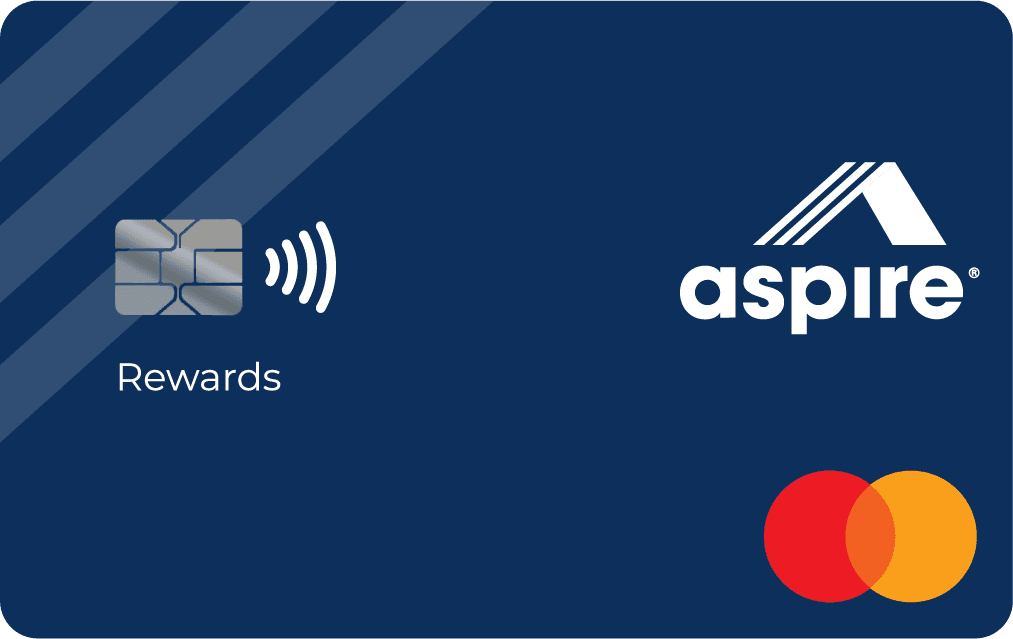
Aspire® Cash Back Rewards Mastercard
Aspire® Cash Back Rewards Mastercard. Prequalify* For Up To $1000 Credit Limit. No security deposit. Packed with great benefits, it’s designed to give you more flexibility—and purchasing power—along with up to 3% cash back rewards!** Good anywhere Mastercard is accepted, it’s the go-to card for any lifestyle.
Standout feature
Up to 3% cashback rewards
Fees
$49 to $175; after that $0 to $49 annually; - $60 to $159 annually billed at $5 to $12.50 per month after the first year.
Pros
No Deposit Required. Prequalify for up to $1000 credit limit
Cons
High APR. 25.74% to 36%, based on your creditworthiness.
For more options on cards built specifically for fuel, see our roundup of the best credit cards for gas purchases.
Typical Gas App Savings
Gas apps work differently. They pay you cash back per gallon rather than per dollar. Upside is the leader in this space and typically offers 10 to 25 cents per gallon at participating stations.

On a 12-gallon fill at 15 cents per gallon, that is $1.80 cash back. If gas costs $3.30 a gallon, the discount works out to about 4.5%. On the higher end of an Upside offer, savings can reach 6% or 7% on a single transaction.
GasBuddy is the other major option. It mostly helps you find cheaper stations rather than paying cashback, though its Pay+ card adds a small per-gallon discount. For a side-by-side, see our GasBuddy review.
The nice thing about gas apps is they layer cleanly with credit card rewards because the credit card pays on the dollar amount, and the app pays per gallon.
How to Combine for Max Savings
The stack looks like this. Use a 3% to 5% gas cashback card to pay at the pump. Before you swipe, open Upside and claim the offer at your station. Pay with the card. Snap or sync the receipt.
Math on a 12-gallon fill at $3.30 per gallon, $39.60 total:
- 5% credit card cashback = $1.98
- Upside offer at 15 cents per gallon = $1.80
- Total saved = $3.78, or about 9.5% off
Do that twice a week and you are looking at over $390 a year in savings. That is real money, not a rounding error.
For more on the Upside app and how its cashback flow works, check the full review.
Best Gas Credit Card Categories
Three main categories of cashback cards work well for gas:
- Flat-rate cards like the Aspire Cash Back Mastercard, which give the same percentage on every purchase, including fuel.
- Gas-specific cards that bump rewards to 4% or 5% at fuel stations year-round.
- Rotating-category cards that put gas at 5% during certain quarters, then drop back to 1% for the rest of the year.
Flat-rate cards are the simplest. You do not have to track bonus categories or remember which months gas is bonused. For drivers who want set-and-forget cashback, that simplicity is worth a lot.
Best Gas App Categories
Gas apps fall into two camps:
- Cashback apps like Upside that pay you per gallon after the fill.
- Price-finder apps like GasBuddy that point you to cheaper stations before the fill.
Upside is the heaviest hitter on raw cashback. GasBuddy is the best at finding the lowest base price. Smart drivers use one of each.
When Stacking Is Worth It
If you fill up more than twice a month, stacking is worth the two minutes. The math always favors layering rewards, and gas app cashback usually doubles what a credit card alone delivers.
If you only drive occasionally, a flat-rate cashback card might be enough. But for anyone commuting, running errands, or driving for work, the combo is the right answer.
Frequently Asked Questions
Can I use a gas app and a credit card at the same time?
Yes. Gas apps like Upside reward you per gallon based on the receipt, and credit cards reward you based on the dollar amount charged. The two stack without any conflict.
Do gas credit cards always beat gas apps?
Not usually. A 5% cashback card on a $40 fill is $2. An Upside offer at 15 cents per gallon on a 12-gallon fill is $1.80. Apps often match or beat credit cards, and stacking both is the move.
Are gas apps actually free?
Yes. Upside and GasBuddy are both free to download and use. Some have optional paid tiers, but the core cashback and price-finder features cost nothing.
What if my favorite station does not work with Upside?
Upside has thousands of partner stations but not every gas station is on the platform. If your usual stop is not listed, check whether a nearby station with an offer is close enough to make the cashback worth it. Often it is.