
Secured credit cards are the credit-builder's secret weapon. Unlike traditional cards that require good credit to approve, secured cards let anyone build credit by putting down a cash deposit.
They work exactly like regular credit cards, reporting to all three credit bureaus and building your credit history with every payment. The difference: your deposit ($300-$2,500 typically) acts as collateral. This removes the lender's risk, making approval nearly guaranteed. After 6-12 months of responsible use, many issuers graduate you to an unsecured card and return your deposit.
What Makes a Good Secured Card
Not all secured cards are created equal. The best ones share common features that maximize your credit-building advantage.
Report to All Three Bureaus: Your credit building only works if the card reports to Equifax, Experian, and TransUnion. This is non-negotiable, verify before applying.
Low or No Annual Fee: Avoid cards charging $50-$100+ annually. Good secured cards charge zero or a minimal fee ($25 or less).
Low Interest Rate (APR): You shouldn't carry balances, but if you do, a lower APR matters. Look for cards under 25% APR.
Low Deposit: Cards requiring $2,500+ deposits limit flexibility. Start with $300-$500 range if possible.
Fast Graduation Path: Some issuers upgrade you in 6 months; others take 18 months. Faster graduation means reaching unsecured cards sooner.
Generous Deposit Return: Once you graduate, you want your deposit back promptly. Check each issuer's policy.
Authorized User Support: If you want to help a family member build credit alongside you, look for issuers that allow authorized users on secured cards — see our guide to secured credit cards for authorized users for which issuers support this.
Our Top 3 Picks
The best secured cards combine guaranteed approval, low fees, and a clear graduation path to unsecured cards. Here are our top three picks.
Self Visa® Credit Card | Annual fee: $25 (first year: $0) | Standout benefit: High approval rates with a reliable graduation path after responsible use. Best for: anyone starting from scratch who wants a trusted card from a well-known issuer.
OpenSky Secured Visa | Annual fee: $35 (as of April 2026) | Standout benefit: No credit check and no bank account required. Best for: credit rebuilders who want guaranteed approval with no hard inquiry on their credit file.
Kikoff Secured Credit Card | Monthly cost: starting at $5/month (as of April 2026) | Standout benefit: Low monthly cost with automatic reporting to all three bureaus. Best for: borrowers who want to minimize deposit and fee commitments while building credit consistently.
Terms and conditions apply.


Kikoff Secured Credit Card
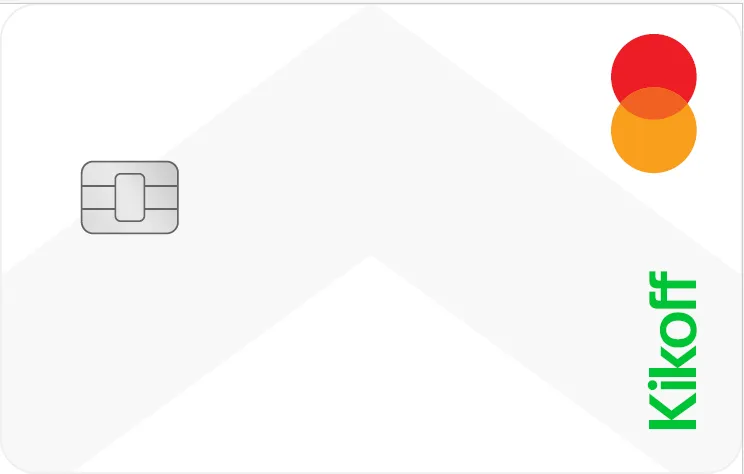
Kikoff Secured Credit Card
Kikoff Secured Credit Card works like a debit card & checking account and performs like a credit builder. Build credit with your everyday purchases.
APR
0%
Minimum Deposit Amount
$0
Credit Check
No
Cashback
Yes
Benefit
0% interest. No credit check.
Key Features to Compare
Annual Percentage Rate (APR): Even though you shouldn't carry balances, lower APR (15-20% range) is better than higher rates (25%+). This gives you flexibility if you need it.
Annual Fees: $0 is ideal. Some cards charge $25-$50; evaluate whether the card's credit-building benefits justify the cost.
Deposit Requirements: $300-$500 is reasonable and accessible. Cards requiring $2,500+ tie up significant capital unnecessarily.
Credit Limit: Your limit typically equals your deposit. A $500 deposit = $500 limit. This is intentional, it keeps you within a manageable range while building credit.
Cashback or Rewards: Some secured cards offer 1-2% cash back. This is a nice bonus that accelerates wealth-building.
Credit Reporting: Confirm they report to all three bureaus. This directly impacts how fast your credit score improves.
How Secured Cards Build Credit
Secured cards build credit through three mechanisms:
Payment History: Your single biggest credit score factor (35% of your score). Every on-time payment boosts this. Just 6 months of perfect payments meaningfully improves your score.
Credit Mix: Credit bureaus like seeing you can handle different types of credit. Secured cards add to your mix, boosting scores beyond payment history alone.
Credit Utilization: Keep your balance under 10% of your limit. Using $50 of a $500 limit demonstrates responsible borrowing and maximizes this score factor.
Together, these factors create rapid credit improvement. With a good secured card and consistent on-time payments, expect to see 50-100+ point score improvements within 6-12 months.
When to Upgrade From Secured to Unsecured
Many issuers automatically graduate you after 6-12 months of perfect payments. Some require you to request graduation. Either way, stay alert for the opportunity.
Before graduation, your goal is perfect payments, low utilization, and building a six-month or longer track record. Once you hit 12+ months of flawless payment history and your score reaches 650+, you're ready.
Unsecured cards offer better rewards, higher credit limits, and no deposit tie-up. Graduating signals you've proven creditworthiness and opens doors to traditional borrowing. Don't rush it, but don't miss the opportunity either, stay engaged with your issuer about graduation timelines.
Deepen your knowledge: Explore credit-builder secured credit cards and learn about when to switch from secured to unsecured credit card for transition strategies.
Your Secured Card Strategy
Choosing the right secured card is one of the highest-impact credit decisions you'll make. Prioritize cards with zero annual fees, low APR, and guaranteed credit bureau reporting.
Use it intentionally: charge small, predictable expenses (groceries, gas) and pay them off in full monthly. This builds credit with zero interest cost. Within 12-18 months, you'll graduate to unsecured cards with better terms and rewards. Your $300-$500 deposit becomes unblocked capital, and your credit score opens new opportunities. That's the power of the right secured card.
Frequently Asked Questions
What happens if I miss a payment on a secured card?
Missed payments report to credit bureaus and damage your score, just like any credit card. The issuer may freeze your account or convert your deposit to pay the balance. Avoid this at all costs, set up automatic payments if needed.
Can I withdraw my deposit before graduating?
No. Your deposit must stay with the issuer as collateral. Some cards allow you to increase your deposit to raise your credit limit, but you can't access your original deposit until graduation or account closure.
Will I get my entire deposit back?
Yes, when you graduate or close the account responsibly. Once the issuer converts your account to unsecured (or you close it), your deposit is returned within 1-2 weeks, usually via direct deposit or check.
What if I can't afford the deposit?
Start with what you can afford. A $300 deposit is sufficient to build credit. You can always increase it later. Some lenders offer secured cards with deposits as low as $200.
How many secured cards should I get?
One is enough to start. Getting multiple simultaneously triggers multiple hard inquiries and suggests credit desperation to lenders. After 6 months with your first card, you may consider a second if it strategically diversifies your credit mix.




