
Credit Card Grace Period: How It Works and How to Use It
A grace period is the interest-free window between your credit card statement's closing date and the payment due date. If you pay your full statement balance by the due date, you owe zero interest on new purchases — a feature unique to credit cards that turns them into a free 25- to 55-day short-term loan. Lose the grace period, and every purchase starts accruing interest the day it posts. Understanding how the grace period works is one of the highest-leverage financial moves you can make in 2026.
How a Credit Card Grace Period Works
Federal law (the CARD Act of 2009) requires issuers to mail or send your statement at least 21 days before the payment due date if they want to charge interest on a balance you don't pay in full. In practice, most major issuers offer a 21- to 25-day grace period after the statement closing date.
Here's the timing in plain terms:
- Your billing cycle runs roughly 28–31 days.
- On the statement closing date, the issuer freezes the balance and mails (or emails) your statement.
- The due date falls at least 21 days after the closing date.
- If you pay the full statement balance by the due date, no interest is charged on purchases made during that cycle.
A purchase made the day after a statement closes can effectively be interest-free for up to about 55 days — the new cycle (~30 days) plus the 21–25 day grace period. That's why some shoppers time large purchases for the day after their statement closes.
When You Lose the Grace Period
The grace period is fragile. The most common ways to lose it:
- You carry a balance. Most issuers withdraw the grace period the moment you pay less than the full statement balance. Until you pay the entire balance in full and complete one full cycle without revolving, new purchases are charged interest from the date they post.
- You take a cash advance. Cash advances almost never have a grace period — interest starts accruing immediately, often at a higher APR than purchases.
- You use a balance transfer. Standard transfers, like cash advances, often skip the grace period unless they qualify for an introductory 0% APR offer (and watch for the balance transfer fee, which still applies).
If you lose the grace period, every new transaction starts compounding interest from day one until you bring your balance back to zero and complete a full statement cycle clean. Translation: missing one full payment can cost you months of trailing interest.
Grace Period vs. Other Loan Types
The term "grace period" shows up in other lending contexts, but the mechanics differ:
- Federal student loans offer a grace period of typically 6 months after you leave school before payments are required — unsubsidized loans still accrue interest during that time.
- Mortgages have a grace period (often 15 days) after the due date during which a payment isn't considered late, but interest is still calculated daily on the principal.
- Auto loans vary by lender, but many give 10–15 days of late-payment grace before reporting to credit bureaus.
Only the credit card grace period is genuinely interest-free — and only when you pay in full.
Does Every Credit Card Have a Grace Period?
Most mainstream cards include a grace period of at least 21 days, including credit-builder products like the Self Visa® Credit Card and the Current Build Card. Read the cardmember agreement to confirm the exact length — some cards offer 23 or 25 days, while a few subprime products provide only the legal minimum.

A Builder Card That Plays by Standard Grace-Period Rules
If you want to practice using a grace period while still building history, the Current Build Card follows the same statement-and-due-date cycle as any mainstream card. Pay the full statement balance each month and you keep new purchases interest-free, which makes it a low-stress way to learn the habit that protects the grace period.
Current Build Card
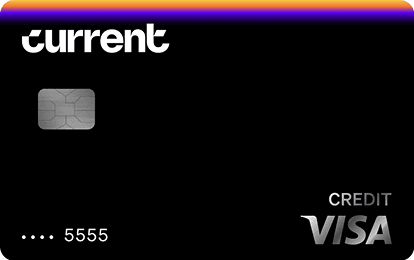
Current Build Card
$0 annual fee. No minimum deposit required. No credit check required. 1 point per dollar on eligible categories. Reports to Experian, TransUnion, Equifax.
Fee
$0
APR
0%
Minimum Deposit Amount
$0
Credit Check
No
Cashback
1 point/dollar on eligible categories (with qualifying payroll deposit)
Benefit
No credit check, no deposit minimum
Know Where Your Credit Stands Before You Apply
Grace periods only help if you can qualify for a card that offers one and then pay it in full each cycle. Creditship lets you see your credit profile and the products you are likely to be approved for, so you can pick a card with a clear grace period instead of guessing and risking a denial that dings your score.
Creditship

Creditship
Get free credit monitoring and concrete advice how to improve your credit from Creditship AI.
Standout feature
AI Credit Coach. AI analyzes your credit report in depth and gives you tailored, actionable steps to raise your score.
Fees
Free
Pros
Free credit report access plus monitoring and alerts
Cons
No credit repair feature
A handful of charge cards (which require full payment every month) technically don't have a grace period because there's no carryover balance possible. Some store cards advertised as "deferred interest" are not the same thing as a grace period — if you don't pay the full promotional balance by the deadline, you're charged retroactive interest from day one.
How to Use the Grace Period Strategically
A few habits maximize the value of your interest-free window:
- Always pay the full statement balance. The minimum payment is a trap — paying it kills the grace period. Set autopay to the full statement balance, not the minimum.
- Time large purchases just after your statement closing date. This stretches the interest-free window to the full ~55 days.
- If you're rebuilding credit and considering a new card, look for a no-annual fee or low-annual-fee card with a clear 21+ day grace period. The OpenSky secured card and the Kikoff Secured Credit Card both follow standard grace-period rules so you can use them like any normal card while building history.
- If you've lost the grace period, restart it. Pay the full balance on your next two consecutive statements; most issuers reinstate the grace period automatically once you've gone through a clean cycle.
- Avoid cash advances. Even one $40 ATM advance can shift your account out of grace and start compounding interest on every purchase.
What "Pay in Full" Actually Means
The phrase "pay in full" can be slightly misleading because credit cards have two balances:
- Statement balance — the amount printed on the statement when the cycle closed.
- Current balance — your live, real-time balance, including any new purchases since the statement closed.
To preserve the grace period, you only need to pay the statement balance by the due date, not the current balance. New purchases made between the closing date and due date roll into the next statement and remain in grace. Many people overpay or stress about the "current balance" — you don't have to.
Frequently Asked Questions
How long is a typical credit card grace period?
Most issuers offer 21 to 25 days between the statement closing date and the due date. Federal law (the CARD Act of 2009) sets a 21-day floor if the issuer wants to charge interest on unpaid balances. Check your cardmember agreement or your monthly statement — the exact length is disclosed there.
Does paying the minimum payment preserve the grace period?
No. Paying anything less than the full statement balance ends the grace period for new purchases. Until you pay the balance to zero and complete a full clean cycle, every new charge accrues interest from the day it posts. Set autopay to the full statement amount, not the minimum.
Do balance transfers and cash advances have a grace period?
Usually no. Cash advances start accruing interest the day you take the advance. Balance transfers typically have no grace period either, unless they qualify for a promotional 0% APR offer. Only purchases get the standard grace period treatment under most issuer terms.
Can I get my grace period back after losing it?
Yes. Pay your full balance to zero, then make on-time, in-full payments for one or two complete billing cycles. Most issuers automatically reinstate the grace period once you've completed a full statement period without revolving any balance. Check your terms — a few issuers require a written request.
Related Reading




