
If you have little to no credit history or a poor credit score, a secured credit card might be exactly what you need. These cards are specifically designed to help people rebuild their credit from the ground up. Unlike traditional credit cards that offer a line of credit based on your creditworthiness, secured cards work differently—and understanding that difference is key to using them effectively.
What Is a Secured Credit Card?
A secured credit card is a credit card backed by a cash deposit you make with the card issuer. The amount you deposit becomes your credit limit. If you deposit $500, you get a $500 credit limit. If you deposit $2,000, you get a $2,000 limit.
The deposit sits in a savings account at the bank and serves as collateral. This means the issuer has minimal risk, which is why they're willing to approve people with bad credit or no credit history at all. You're essentially borrowing against your own money, but you still get to build credit in the process. For a broader comparison, see our guide on secured vs unsecured credit cards.
How Deposits Become Credit Limits
When you apply for a secured card, you'll choose how much to deposit. Most issuers require a minimum deposit (often $200–$500) and allow maximums up to $25,000 or more. Your deposit goes into a separate account that the bank controls, not you. Learn more about how much you need for a secured credit card deposit.
Here's what matters: while your money is locked up, you can spend against your credit limit just like any other cardholder. You make purchases, get a monthly statement, and pay your bill. The deposit never leaves unless you close the account or get approved for an upgrade to an unsecured card.
Top Secured Cards for Building Credit
The Self Visa® Credit Card has high approval rates, a $0 intro annual fee, and reports to all three bureaus. Read our Self review for the full breakdown. The Kikoff Credit Account requires no credit check and no hard inquiry—see our Kikoff review. The Current Build Card offers $0 annual fee with no minimum deposit—read our Current Build Card review. And the OpenSky® Secured Visa doesn't require a bank account—see our OpenSky review.

Kikoff Credit Account

Kikoff Credit Account
Everything you need to build your credit, right in one app. Build credit, lower debt, and unlock progress with tools that actually work.
Standout feature
An avg increase of +86 points within a year with on-time payments
Fees
$5/month for Basic plan, $20/mo for Premium plan $35/mo for Ultimate plan
Pros
Helps both payment history and credit utilization, the two factors that move scores most
Cons
Monthly fee continues for as long as you keep the account open
Current Build Card
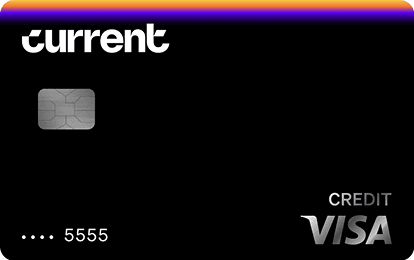
Current Build Card
$0 annual fee. No minimum deposit required. No credit check required. 1 point per dollar on eligible categories. Reports to Experian, TransUnion, Equifax.
Fee
$0
APR
0%
Minimum Deposit Amount
$0
Credit Check
No
Cashback
1 point/dollar on eligible categories (with qualifying payroll deposit)
Benefit
No credit check, no deposit minimum

How Secured Cards Report to Credit Bureaus
The magic of a secured card is that your activity gets reported to the major credit bureaus—Equifax, Experian, and TransUnion. Every on-time payment, your credit utilization, and your overall account history show up on your credit report just like a traditional credit card. Look for secured credit cards that report to all 3 bureaus for maximum impact.
This is how you build credit: by demonstrating that you can borrow money responsibly and pay it back on time. Each on-time payment adds positive history to your report, and over time, your credit score climbs. Your payment history accounts for 35% of your credit score, so this is huge.
How to Use a Secured Card to Build Credit
Using your secured card strategically is what transforms it from a deposit into a credit-building tool. The goal isn't to max out your card—it's to show lenders you're responsible.
Make small, manageable purchases with your secured card each month. Then, pay your bill in full and on time, every single time. Late payments destroy credit scores, so this is non-negotiable. Aim to keep your balance below 30% of your credit limit—if you have a $500 limit, keep your monthly balance under $150. This low utilization shows creditors you're not desperate for credit.
Tips for Maximizing Your Secured Card's Impact
Set up automatic payments so you never miss a due date. Even one late payment can hurt your score significantly.
Use your card for recurring small charges—a subscription, gas, or groceries—so you generate activity each month. Dormant accounts don't help your credit score as much as active ones.
Avoid closing other accounts or opening too many new ones at once. Each new credit application creates a hard inquiry that temporarily lowers your score. Keep your focus on that one secured card.
Check your credit report regularly to make sure everything is being reported correctly. You can get free reports at annualcreditreport.com, or use one of the free credit monitoring services available.
When to Transition to an Unsecured Card
After 6–12 months of perfect payment history, you may become eligible for a traditional unsecured credit card. Many issuers automatically graduate secured cardholders to unsecured products, and they'll return your deposit. Learn about the right timing in our guide on when to switch from secured to unsecured.
When you're ready to transition, apply for an unsecured card that matches your credit-building goals. You don't have to close your secured card right away—keeping it open with small monthly charges can actually help your credit score by maintaining a long account history and low utilization.
Secured credit cards are a proven pathway to building credit, but they only work if you use them responsibly. Start with a deposit amount you're comfortable with, use the card regularly for small purchases, and always pay on time. Over time, you'll build a stronger credit score and prove to lenders that you're creditworthy. Ready to take the next step? The Self Visa® Credit Card and the Kikoff Credit Account are both great places to start.
Creditship

Creditship
Get free credit monitoring and concrete advice how to improve your credit from Creditship AI.
Standout feature
AI Credit Coach. AI analyzes your credit report in depth and gives you tailored, actionable steps to raise your score.
Fees
Free
Pros
Free credit report access plus monitoring and alerts
Cons
No credit repair feature
Frequently Asked Questions
Can you get a secured credit card with no credit history?
Yes. Secured credit cards are specifically designed for people with no credit history or bad credit. The cash deposit reduces the issuer's risk, so approval requirements are much lower than traditional credit cards.
How long does it take a secured card to build credit?
Most people see credit score improvement within 2–3 months of consistent on-time payments. Significant progress (50+ point increase) typically takes 6–12 months of responsible use.
Do you get your secured card deposit back?
Yes. Your deposit is returned when you close the account in good standing or when the issuer upgrades you to an unsecured card. Any outstanding balance is subtracted from the returned deposit.
Is a secured credit card better than a credit builder loan?
Both are effective. A secured card builds revolving credit history, while a credit builder loan builds installment loan history. Having both improves your credit mix, which helps your score. See our full comparison for details.




