
You missed a few payments during a rough stretch, or maybe one big event pulled your score down by 100 points overnight. Now the Google searches all sound alike: how long until this goes away. The honest answer depends on what happened and what you do next.
Rebuilding credit is both faster and slower than people think. Small damage can heal in months. Serious damage, like a bankruptcy, can shape your file for nearly a decade. The good news is that consistent habits shorten nearly every timeline, and the first gains come quickly once you set up the right systems. For a step-by-step plan that pairs with these timelines, our companion guide on credit score recovery after bad decisions walks through which moves to make first when you're staring down maxed cards, missed payments, or a fresh collection.
How the Credit Bureaus Actually Think About Damage
Your credit score reacts most to recent behavior. A missed payment from last month hurts far more than one from three years ago. As negative items age, their impact fades, even if they remain on your report.
The major credit bureaus follow a set of rules for how long negative items stay on file. Most last seven years from the date of the original delinquency. Chapter 7 bankruptcy lasts ten years. Hard inquiries stay for two years but stop affecting scores after twelve months.
Once you understand these windows, the rebuild becomes a math problem. You are waiting for old damage to fade while you add new positive history on top. That math almost always revolves around payment history as the single biggest factor in your credit score, so clean monthly activity is what moves the needle fastest.
Timeline: One Late Payment
A single 30-day late payment can drop a good score by 60 to 100 points. The drop is worse when your score was high, because high scores have more room to fall.
Typical recovery timeline:
- Three to six months of on-time payments: minor rebound, usually 20 to 40 points back
- Twelve months: the late payment ages enough to stop crushing your score, though it still counts
- 24 months: the impact is noticeably softer, and you are usually within 20 points of your previous level
- Seven years from the date of the late: the item drops off your report entirely
During this window, keep utilization low, pay every bill on time, and do not close old accounts. Those three moves together can often fully offset a single late within a year. If those moves put you in the 580 to 669 band, read our guide to what a fair credit score is to see exactly what you can qualify for at that level. If your rebuild takes you past 700, our breakdown of the 750 credit score milestone explains what rates and products open up once you cross into the "very good" tier.
Timeline: Multiple Late Payments and Collections
Chains of late payments and accounts sent to collections damage scores more deeply. A collection account can pull a score into the 500s, even for people who once had 700-plus credit. If a collector is now threatening lawsuits or wage garnishment, our guide on whether debt collectors can freeze your bank account covers what actually requires a court judgment and which funds are exempt under federal law.
Realistic recovery:
- Six months of clean payments: expect roughly 30 to 60 points of recovery
- Twelve months: small improvements continue, often another 20 to 40 points
- 24 to 36 months: you typically climb back into the mid-600s if you keep utilization low
- Seven years from original delinquency: the accounts drop off
Paying off a collection does not always remove it, but some newer scoring models, like FICO 9 and VantageScore 4.0, ignore paid medical collections. Ask for a pay-for-delete in writing before you pay, because some collection agencies will remove the item in exchange for payment.
Timeline: Charge-Offs
A charge-off happens when a creditor gives up on collecting and writes off your debt, usually after 180 days of missed payments. It is treated as one of the worst possible negative marks, though its weight fades with time. For a step-by-step playbook on disputing, negotiating, and removing these items, see our guide on how to fix a charge-off on your credit report.
Expect a slow recovery:
- 12 months: 30 to 60 points of rebound if you stay current on everything else
- 24 months: the charge-off starts to look older, and scoring models weight it less
- 48 months: you are often able to qualify for mainstream products again
- Seven years from original delinquency: it falls off your report
Charge-offs do not vanish just because you pay them. You can ask the creditor for a goodwill adjustment, especially if you had long history with them before the charge-off. Offer clear evidence of new on-time behavior and request the line be updated to paid.
Timeline: Student Loan Default
Federal student loan default hits credit harder than most borrowers expect, with a single default marker potentially dropping a good score by 100 points or more and lingering on your report for seven years. Our breakdown of how student loan default damages your credit score walks through each stage of the timeline and the rehabilitation steps that can help you recover.
Timeline: Bankruptcy
Bankruptcy is the most severe entry on a credit report, but its effect is not permanent. Chapter 7 stays on file for ten years from the filing date. Chapter 13 stays for seven years from filing.
Rebuild phases after bankruptcy:
- Zero to three months: score is typically in the 500s or lower
- Six to twelve months with clean payments: 40 to 80 points of recovery is common
- 24 months: many people reach the low 600s
- Four to five years: mid to high 600s are realistic with steady behavior
- Seven to ten years: the bankruptcy drops off, and remaining score impact fades
After discharge, most people need to start over with a secured credit card or credit builder product. OpenSky does not require a bank account to fund the deposit and accepts applicants after bankruptcy. The Self Visa Credit Card pairs with a credit builder loan, which helps rebuild both installment and revolving history at once. Current Build Card also works for people restarting from zero.

The Self Visa Credit Card is a strong first move after a setback because it builds two kinds of history at once. The secured card adds revolving activity while the paired credit-builder loan adds installment activity, so a single product helps rebuild the credit mix that bankruptcy or charge-offs often wiped out. Terms and conditions apply, and approval depends on the issuer's review.

For a low-pressure restart, the Current Build Card lets you spend from your own balance while it reports those payments as positive credit activity. Because you cannot run up debt you have not funded, it is a forgiving way to rebuild on-time payment history without risking the new late marks that would reset your progress.
Current Build Card
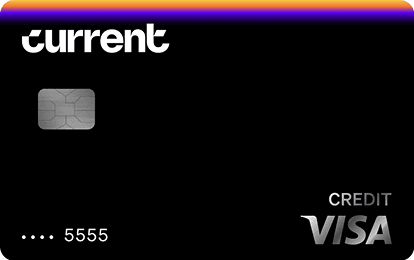
Current Build Card
$0 annual fee. No minimum deposit required. No credit check required. 1 point per dollar on eligible categories. Reports to Experian, TransUnion, Equifax.
Fee
$0
APR
0%
Minimum Deposit Amount
$0
Credit Check
No
Cashback
1 point/dollar on eligible categories (with qualifying payroll deposit)
Benefit
No credit check, no deposit minimum
Timeline: Repossession and Foreclosure
A car repossession or home foreclosure is severe, like a charge-off but tied to a larger account. Both stay on your report for seven years.
Recovery mirrors charge-offs. The first six months feel harsh, the next year brings meaningful gains, and by year three most people can qualify for mainstream credit again if they stay current on everything else. Mortgage approval after foreclosure usually requires two to seven years depending on the loan program.
What Speeds Up Every Timeline
No matter what dragged your score down, the same habits accelerate recovery.
Key accelerators:
- Pay every single bill on time, even ones not reported to bureaus, to avoid new collections
- Drive utilization under 10 percent on revolving accounts
- Open at least one new positive trade line, like a secured card or credit builder loan
- Dispute any inaccurate items on your reports
- Avoid new hard inquiries until the rebuild is well underway
- Let time pass, because age of negative items matters more than people realize
A credit monitoring tool like Creditship can help you track progress across all three bureaus and catch new issues early, which matters when one missed payment can undo months of work.
Common Myths That Slow People Down
Several beliefs delay rebuilds unnecessarily.
The first is that paying off old debt automatically removes it. In most cases it only updates the balance to zero. The negative mark stays for the full seven years unless the creditor agrees to remove it.
The second is that closing bad accounts helps your score. It often hurts because it cuts your credit age and available credit, worsening utilization on the accounts you keep.
The third is that you need to avoid all credit while you rebuild. The opposite is true. You need new positive history to dilute the old damage. One secured card used responsibly every month is far more effective than doing nothing.
When to Expect Real Results
Expect your first visible score gains within 60 to 90 days of starting the rebuild. Bigger jumps come at the six-month, twelve-month, and two-year marks as old items age and new positive history stacks up.
Most rebuild stories follow a predictable shape. Fast gains in the first year, steady gains in the second, and incremental improvements afterward. The finish line, a fully mainstream score in the 700s, is usually three to five years of disciplined habits away from the bottom, faster if the original damage was limited.
Frequently Asked Questions
How long before a late payment stops hurting my score?
A late payment's impact on your score softens noticeably after 12 months of clean behavior, and it drops off your credit report entirely seven years from the date of the original delinquency. The biggest rebound usually comes in the first six months if you keep utilization low and avoid any new late marks.
Does paying off a collection remove it from my credit report?
Usually no, paying a collection does not remove the record automatically. The item stays for seven years from the original delinquency date, though paid collections are weighted less than unpaid ones in newer scoring models. You can request a pay-for-delete in writing before you pay, and some collection agencies will honor it.
Can I rebuild credit without opening new accounts?
It is possible but much slower. Waiting for negative items to age works, but adding a new positive trade line like a secured card or credit builder loan accelerates the rebuild meaningfully. A small, low-risk account used responsibly every month dilutes old damage and builds new positive history.
How long until I can get a mortgage after bankruptcy?
For most loan programs you can qualify two to four years after a Chapter 7 discharge and one to two years after a Chapter 13 discharge, provided you have rebuilt your score to the mid-600s and shown clean payment history. FHA and VA loans are often the first available, with conventional loans requiring more time and higher scores.



