
Sitting at a 500 credit score can shut you out of apartments, auto loans, and most credit cards. The good news is that lower scores often have the most room to grow, and learning how to get credit score up from 500 starts with a few clear moves.
You do not need a perfect financial history to make progress. You just need consistent on-time payments, low balances, and at least one account that reports to the major bureaus.
Why Scores Land at 500 in the First Place
A 500 score usually points to serious past credit damage. That can include collections, charge-offs, repossessions, or a long pattern of late payments.
It may also reflect a thin file with one or two heavily damaged accounts. Either way, the same playbook can help: stop new damage, then add positive activity that the bureaus can see every month.
Pull All Three Credit Reports
Before making changes, see what lenders see. Federal law lets you pull free reports from Equifax, Experian, and TransUnion through AnnualCreditReport.com.
Look for accounts that are not yours, wrong balances, duplicate collections, and outdated items. Disputing errors is one of the fastest ways to raise a score, since removed items can lift your number within a few weeks.
Catch Up on Past-Due Accounts
Payment history is the largest single factor in most scoring models. Any account that is currently 30 days or more past due is hurting you every month it stays open.
Call each lender and ask what it takes to bring the account current. Once it is back on track, the late marks remain for seven years but their weight typically shrinks as new on-time payments roll in.
Open a Starter Credit Account
With a 500 score, traditional cards are often out of reach. Secured cards and credit-builder products are designed for this exact situation.
The Self Visa® Credit Card pairs a credit-builder loan with a secured card so you can build payment history on both at once. Terms and conditions apply, and approval depends on the issuer's review. Firstcard also offers a starter card option that reports to the major bureaus.

Another option worth comparing is the Current Build Card, which lets you spend from your own balance while it reports those payments as credit activity. That structure makes it hard to overspend, which is exactly what you want when you are climbing out of the 500s and trying to keep utilization low.
Current Build Card
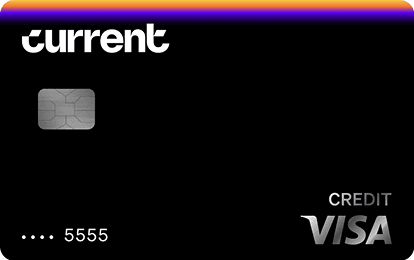
Current Build Card
$0 annual fee. No minimum deposit required. No credit check required. 1 point per dollar on eligible categories. Reports to Experian, TransUnion, Equifax.
Fee
$0
APR
0%
Minimum Deposit Amount
$0
Credit Check
No
Cashback
1 point/dollar on eligible categories (with qualifying payroll deposit)
Benefit
No credit check, no deposit minimum
If you already bank with Chime, the Chime Credit Builder card is another no-annual-fee way to add positive history. There is no credit check to apply and no minimum security deposit, so it can be a low-pressure first tradeline while you work your 500 score upward.
Chime Card™

Chime Card™
Chime Card™ is Chime's secured credit card and has the reliable Chime credit-building features plus 5% cash back rewards on category of choice (with qualifying direct deposit) and access to cash at ATMs.¹
Fee
$0
APR
No interest
Minimum Deposit Amount
$0
Credit Check
No
Cashback
5% cash back rewards on category of choice (with qualifying direct deposit)
Benefit
Overdraft up to $200 without fees for eligible members.
Keep Balances Very Low
Credit utilization is the second-biggest score factor. It compares your balances to your credit limits across all revolving accounts.
Aim to keep utilization under 30 percent, and under 10 percent if you can. On a card with a $300 limit, that means keeping the balance at or below $30 when the statement closes. Paying before the statement date can help even more.
Become an Authorized User
If a family member has a card with a long, clean history, ask if they will add you as an authorized user. The account can then appear on your report and lend its positive history to your file.
Make sure the issuer reports authorized users to the bureaus, and confirm the primary account is in good standing. A negative authorized-user account can hurt instead of help.
Avoid New Damage
A recovery plan only works if you stop adding new problems. Set up autopay for at least the minimum on every account, and keep a small buffer in checking to cover it.
Space out new applications, since each hard inquiry can shave a few points. Do not close your oldest credit account, even if you rarely use it, because it supports your average account age.
Track Your Progress
Scores update once or twice a month, depending on when each lender reports. Watching the trend keeps you motivated and helps you spot problems early.
Many banks and card issuers offer free FICO or VantageScore tracking. With steady payments and low balances, many people see a 500 score climb into the 600s within 6 to 12 months, though results vary.
Related Reading
- How Can I Repair My Bad Credit? A Practical Action Plan
- Personal Loans for a 500 Credit Score
- 600 Credit Score: What You Can (and Can't) Do With It
- 750 Credit Score: What You Can Do With It and How to Get There
- A Guide to Getting a Credit Card With Zero Credit Score
Frequently Asked Questions
How fast can I raise a 500 credit score?
With on-time payments, low balances, and any error disputes resolved, a 500 score may climb 50 to 100 points in three to six months. Bigger jumps usually take 12 months or more, especially if collections or charge-offs are still on file.
Should I pay old collections to boost my score?
It depends on the scoring model. Newer models like FICO 9 and VantageScore 4.0 may ignore paid collections, which can help. Older FICO models still count them, so paying may not move your score much.
Does using a debit card build credit?
No. Debit cards pull from your own checking account and are not reported to the credit bureaus. To build credit, you need an account that reports activity, such as a secured card, credit-builder loan, or starter credit card.
Will closing a credit card hurt my 500 score?
It can. Closing a card lowers your total available credit, which may push utilization higher. It can also shorten your average account age over time. If a card has no annual fee, leaving it open and using it lightly is usually safer.




