
Your credit report can decide whether you get approved for an apartment, a car loan, or even a new phone plan. It shows lenders whether you pay your bills on time, how much debt you carry, and whether you have any negative marks like late payments or collections. Yet a lot of people have never actually read theirs.
If you have wondered how to get a free credit report, or asked yourself how can I get a copy of my credit report, the answer is simpler than you might expect. Pulling a copy is completely free, and you can do it in about 10 minutes. As of 2024, you can also check far more often than the old once-a-year rule allowed.
How to Get a Free Copy of Your Credit Report
You have three major credit bureaus keeping track of your history: Equifax, Experian, and TransUnion. Each one is required by law to give you one free report every year, and since 2024 that expanded to one free report per week from each bureau.
There is only one federally authorized source: AnnualCreditReport.com. It is the site directed by federal law to provide copies from all three bureaus. Be careful with lookalike sites that advertise free reports and then push a paid subscription. The official site will never email you asking for your Social Security number, so treat any message like that as a possible scam.
Request Your Report Online
The fastest route is online. Go to AnnualCreditReport.com, select all three bureaus (or just one if you prefer to space them out), and answer a few identity questions. The reports usually load right away as PDFs you can save or print. Pulling all three at once lets you compare them side by side, since each bureau can hold slightly different information. The whole process takes about 15 minutes.
Request Your Report by Phone or Mail
Not everyone wants to enter details online, and that is fine. You can call 1-877-322-8228 to request your reports by phone and have them mailed to you. You can also download and print a request form from the official site and mail it to the address listed. Phone and mail requests take longer, usually about 15 days, so plan ahead if you have an application deadline.
What You Need to Verify Your Identity
To confirm you are really you, be ready to provide your full name, current and past addresses, date of birth, and Social Security number. The system may also ask knowledge-based questions, such as a former lender or a past loan amount. If you cannot answer those, you can still request the report by mail with copies of your ID.

Current Build Card
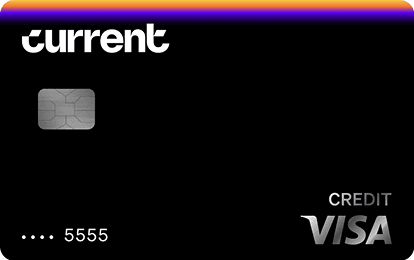
Current Build Card
$0 annual fee. No minimum deposit required. No credit check required. 1 point per dollar on eligible categories. Reports to Experian, TransUnion, Equifax.
Fee
$0
APR
0%
Minimum Deposit Amount
$0
Credit Check
No
Cashback
1 point/dollar on eligible categories (with qualifying payroll deposit)
Benefit
No credit check, no deposit minimum
How Often You Can Check for Free
Under federal law you are entitled to one free report from each bureau every 12 months. Since 2020 the three bureaus have offered free weekly reports through AnnualCreditReport.com, and that expanded access remains in place in 2026, which works out to as many as 156 free reports a year. Checking your own report is a soft inquiry, so it never lowers your score and there is no downside to looking often.
What Is Inside Your Credit Report
Your report is a detailed record of how you have used credit, and it usually breaks into four parts. The personal information section shows your name, addresses, and employers. The credit accounts section lists every card, loan, and mortgage in your name, along with balances, limits, and payment history. The inquiries section shows who has pulled your credit. The final section covers public records and collections, such as bankruptcies.
Credit Report vs Credit Score
These two are related but not the same. Your credit report is the raw data. Your credit score is a three-digit number, usually between 300 and 850, calculated from that data. AnnualCreditReport.com gives you the report, not the score. To see your score for free, check your bank app, card issuer, or a monitoring service. Reading both together gives you the full picture.
How to Read Your Report and Spot Errors
Do not panic if it looks confusing at first. Start with the account list and confirm every account is yours and that balances and payment marks look correct. The balances and limits here also feed your credit utilization, so make sure they are accurate. A single wrong late payment can drag your score down, and unexpected drops are often explained by what is on your report.
Common errors include accounts you never opened, wrong balances, and old debts that should have aged off. If you see any of these, that is a red flag worth acting on right away.
What to Do If You Find Errors
Errors happen more often than you would think. Maybe a payment was reported as late when you paid on time, maybe there is a duplicate account, or maybe someone opened an account in your name.
If you spot an error, you can dispute it directly with the bureau for free using a 609 dispute letter or a credit inquiry removal letter. You can file online, by mail, or by phone. The bureau generally has 30 days to investigate, and if it cannot verify the item it has to remove it. This is one of the most powerful tools for free credit restoration.
If you would rather have professional help, Dovly uses AI to automate the process, and Lexington Law is one of the most established credit repair firms. Read our Dovly review and Lexington Law review to compare options.
Lexington Law Firm

Lexington Law Firm
Lexington Law helps clients reach their credit score goals through lawyer-guided credit repair, working to challenge inaccurate and unfair items like late payments or collections on their credit reports.
Monthly Price
From $139.95/mo
Setup Fee
$0
Money Back Guarantee
No
Year of Founded
2004

Tools That Make Monitoring Easier
Once you have your report, ongoing monitoring helps you catch problems early. Creditship offers free credit monitoring and education tools that can alert you to changes across your file, so you are not waiting until your next manual pull to notice something is off.
Build Positive History on the Report You Just Pulled
If your report is thin because you are just starting out, a credit-builder product can add positive payment history to the file. The Self Visa® Credit Card and the Kikoff Credit Account both report to the bureaus, which helps build the history lenders look for. Read our Self review and Kikoff review for details. As your history grows, it is worth learning how many cards is the right number for your situation. Terms and conditions apply, and results vary by individual.
Kikoff Credit Account

Kikoff Credit Account
Everything you need to build your credit, right in one app. Build credit, lower debt, and unlock progress with tools that actually work.
Standout feature
An avg increase of +86 points within a year with on-time payments
Fees
$5/month for Basic plan, $20/mo for Premium plan $35/mo for Ultimate plan
Pros
Helps both payment history and credit utilization, the two factors that move scores most
Cons
Monthly fee continues for as long as you keep the account open
Creditship

Creditship
Get free credit monitoring and concrete advice how to improve your credit from Creditship AI.
Standout feature
AI Credit Coach. AI analyzes your credit report in depth and gives you tailored, actionable steps to raise your score.
Fees
Free
Pros
Free credit report access plus monitoring and alerts
Cons
No credit repair feature
Make This Part of Your Routine
Now that you can pull a free report every week from each bureau, set a reminder to check one every few months. Catching errors early means you can dispute them faster, and it helps you spot signs of identity theft before they become major problems. Pull all three reports today from AnnualCreditReport.com, save the PDFs, and read each account line by line.
Frequently Asked Questions
How do I get a free credit report?
Go to AnnualCreditReport.com, the only federally authorized source, and request your report from Equifax, Experian, and TransUnion. It is free, takes about 15 minutes online, and you can pull all three at once or space them out through the year.
How can I get a copy of my credit report without paying?
Use AnnualCreditReport.com. You can request copies online for an instant PDF, by phone at 1-877-322-8228, or by mail with a printed request form. All three methods are free, and lookalike sites that charge a subscription are not the official source.
How often can I get a free credit report?
As of 2024 you can get a free report from each of the three bureaus once per week, which is up to 156 free reports per year. Checking your own report is a soft inquiry and never lowers your score.
What is the difference between a credit report and a credit score?
Your credit report is a detailed record of your accounts, payment history, and inquiries. Your credit score is a number calculated from that report. The report is free at AnnualCreditReport.com; your score may require a monitoring service.
What should I do if I find an error on my report?
File a dispute directly with the bureau that shows the error, which you can do for free online or by mail. The bureau generally has 30 days to investigate and must correct or remove anything it cannot verify. Checking all three bureaus matters because each may hold different information.




