
Banks collected over $5.8 billion in overdraft fees in 2024, according to the Consumer Financial Protection Bureau. The average fee is $35 per transaction, and many people get hit with multiple fees in a single day. But here is a fact most banks don't advertise: about 40% of overdraft fees are refunded when customers call and ask for a reversal.
Getting a refund is not luck or magic. It comes down to knowing what to say, who to call, and when to make the request. This guide walks you through exactly how to do it, plus what to do if your first attempt fails.
What Is an Overdraft Fee?
An overdraft fee is what a bank charges when you spend more money than you have in your checking account. Most U.S. banks charge $30 to $35 per overdraft, and many allow multiple fees per day. Knowing your real-time account balance versus your available balance is the first defense against accidental overdrafts. For a broader audit of what your bank can legally bill you for each month, our guide on what bank charges to watch for and how to avoid them breaks down maintenance, ATM, wire, and overdraft fees in one place.
There are actually two types of fees that get confused:
- Overdraft fee: Charged when the bank covers a transaction that exceeds your balance
- Non-sufficient funds (NSF) fee: Charged when the bank refuses the transaction
Both can be refunded using the same approach. NSF fees are slightly easier to reverse because the bank did not actually lend you any money.
When Banks Are Most Likely to Refund a Fee
Not every refund request will be approved. Banks are most generous in these situations:
- You have been a customer for one or more years
- You rarely overdraft (this is your first or second time this year)
- You have direct deposit set up
- The overdraft happened because of a timing issue, not overspending
- You are willing to set up overdraft protection going forward
Customers with clean records get their fees reversed 60% to 70% of the time. People who overdraft constantly may have to negotiate harder.
Step-by-Step: How to Request an Overdraft Refund
Follow these steps for the best chance of success:
1. Act fast. Call within 24 to 48 hours of the fee posting. Older fees are harder to reverse because of bank processing rules.
2. Check your balance and statement. Know the exact date, time, transaction, and fee amount before you call.
3. Call the customer service line on the back of your debit card. Skip the bank's main number. Direct customer service has more authority to reverse fees.
4. Be polite and direct. Start with: "I noticed an overdraft fee on my account from [date]. I would like to request a one-time courtesy reversal."
5. Explain why. A short reason helps. Common ones that work: "My paycheck was deposited a day later than expected," "I forgot about an autopay," or "My direct deposit was delayed."
6. Mention your history. "I have been with this bank for X years and rarely overdraft. This is the first time this year."
7. If denied, ask for a supervisor. Front-line reps usually have a $35 to $70 reversal limit. Supervisors can refund $100 or more.
8. Get the reference number. Write down the agent's name, time, and confirmation number once the fee is reversed.
What to Say (Script That Works)
Here is a script you can use word for word:
"Hi, I am calling about an overdraft fee of $35 from [date]. I have been a customer for [X] years and this is one of my first overdrafts. The transaction caught me off guard because [reason]. I would really appreciate it if you could reverse the fee as a one-time courtesy. Is that something you can help with today?"
Keep your tone friendly. Bank reps deal with frustrated callers all day, and the polite ones tend to get more help.
What to Do If They Say No
If the first agent refuses, don't give up. Try these next steps:
- Ask for a supervisor. Politely say, "I understand, but I would like to escalate this. Can I speak with a supervisor or manager?"
- Visit a branch in person. Branch managers often have more authority than phone reps.
- Tweet at the bank. Most major banks have customer service Twitter accounts (Chase, Bank of America, Wells Fargo) that respond fast and often offer refunds.
- File a CFPB complaint. If the fee was charged incorrectly, file at consumerfinance.gov. Banks usually respond within 15 days, and many issue refunds to avoid escalation.
Preventing Future Overdraft Fees
Getting a refund is good. Avoiding the fee in the first place is better. Try these strategies:
- Opt out of overdraft "protection" so the bank declines transactions instead of charging $35
- Set up low-balance alerts on your phone
- Link a savings account or credit card for backup funding
- Use a budgeting app to track your real-time balance
- Switch to a bank that doesn't charge overdraft fees, like Ally, Capital One 360, or Varo — our roundup of banks with no overdraft fees near you maps the national and regional options that have eliminated the $35 charge entirely
Budgeting apps like Brigit send overdraft warnings and offer small cash advances to cover shortfalls before fees hit. Monarch Money tracks balances across all your accounts in one place.
Brigit

Brigit
Need cash sooner than expected? Brigit is your go-to solution for instant cash. Access between $25–$500 on the free plan with no interest, no tips, and no hidden fees.
Standout feature
Trusted by over 10 million people
Fees
$8.99/mo or $15.99/mo
Pros
Get Cash in minutes, No Credit Score Needed
Cons
Monthly fee is needed
How Overdraft Fees Affect Your Credit
A single overdraft fee does not show up on your credit report. But if you overdraft and don't pay the bank back, the negative balance can be sent to collections, which absolutely hurts your credit.
Most banks give you 30 to 60 days to bring your account positive before sending it to collections. If you cannot cover the balance, call the bank and ask about a payment plan. Many will work with you to avoid the collections route.
If you want to rebuild credit while you fix your banking habits, products like the Self Visa® Credit Card and the Kikoff Secured Credit Card report to all three bureaus. The Current Build Card helps you build credit through a debit-linked product, with no overdraft fees at all.
Current Build Card
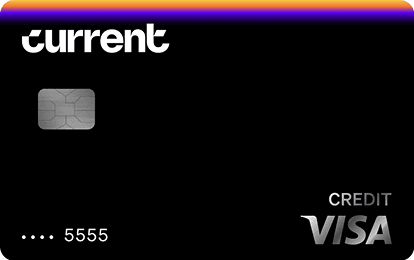
Current Build Card
$0 annual fee. No minimum deposit required. No credit check required. 1 point per dollar on eligible categories. Reports to Experian, TransUnion, Equifax.
Fee
$0
APR
0%
Minimum Deposit Amount
$0
Credit Check
No
Cashback
1 point/dollar on eligible categories (with qualifying payroll deposit)
Benefit
No credit check, no deposit minimum
Banks With the Most Generous Refund Policies
Some banks have publicly committed to fewer overdraft fees or more generous refund policies as of 2026:
- Capital One: Eliminated overdraft fees entirely in 2022
- Ally Bank: No overdraft fees on any account
- Bank of America: Reduced fees to $10 and removed NSF fees
- Wells Fargo and Chase: Offer 24-hour grace periods to fix overdrafts before charging
If you find yourself getting overdraft fees more than once or twice a year, it may be time to switch to a no-fee bank or a credit-building debit product that does not allow overdrafts.
Tools That Help You Avoid Overdrafts
Several apps and services help you stay above zero:
- MoneyLion: Offers cash advances up to $500 with no interest to cover gaps
- Brigit: Provides up to $250 in instant cash advances with overdraft prediction
- Monarch Money: Tracks all your accounts and forecasts upcoming bills
- Creditship.ai: Monitors credit and bank activity for warning signs
Using these alongside your bank's free balance alerts can effectively make overdrafts a thing of the past. Firstcard's credit building account never charges overdraft fees because it is funded by you directly.
Frequently Asked Questions
How many times can I get an overdraft fee refunded?
Most banks will refund one or two overdraft fees per year as a courtesy. After that, requests are harder to approve, especially if you have multiple recent overdrafts. Each bank has its own internal rules. Some allow more refunds for long-term customers with otherwise clean accounts.
Can my bank legally refuse to refund an overdraft fee?
Yes. Overdraft fee refunds are typically a courtesy, not a legal requirement. The exception is if the fee was charged incorrectly, like if the bank made an error or processed transactions out of order to maximize fees. In those cases, you can dispute the fee and file a complaint with the CFPB.
How long does it take to get an overdraft refund?
Most overdraft fee refunds appear in your account within 1 to 3 business days. Some banks credit the refund instantly during the call. Always ask the agent for a specific timeline and a reference number so you can follow up if the refund doesn't show.
Will closing my account remove the overdraft fee?
No. If you owe an overdraft fee, you must pay it before closing the account. Closing the account without paying can send the debt to collections and damage your credit. Pay the negative balance first, then close the account in good standing.
Current Banking

Current Banking
Current is a mobile-first banking app with no monthly fee and no minimum balance. Members can earn up to 4.00% APY with a qualifying direct deposit of $200, receive direct-deposit paychecks up to 2 days early, and overdraft up to $200 fee-free.
Standout feature
4.00% APY on Savings Pods (with a $200+ qualifying direct deposit) plus paycheck up to 2 days early — both included on the standard account for free
Fees
Free
Pros
$0 monthly fee; up to 4.00% APY on Savings Pods with qualifying direct deposit; paycheck up to 2 days early;
Cons
No physical branches




