
You just moved to the US, you have a job offer or a school acceptance, and the leasing agent asks for your credit score. You do not have one yet. That is a normal starting point for newcomers, and it is not the roadblock it feels like.
Landlords are trying to answer one question: will this person pay rent on time? A credit score is their usual shortcut. When you do not have one, you can answer that question in other ways. This guide walks through exactly how.
We will cover why landlords screen credit, what you can offer instead, which properties tend to be friendlier to immigrants, and how to start a US credit file in your first few weeks so the next lease is easier.
Why Landlords Pull Credit in the First Place
Most US property managers run a tenant screening report before approving a lease. That report usually pulls your credit score, public records, prior evictions, and sometimes a soft read of your income.
The credit score is really a stand-in for reliability. A 680 score tells the landlord you have paid other bills on time for a while. No file at all does not mean you are risky, it just means they cannot use their normal shortcut.
That is important to understand because your job as an applicant is to give them a different shortcut. You want to replace that missing score with proof points they can trust.
What Immigrants Can Bring Instead of a US Credit Score
You have more tools than you think. Landlords care about evidence, and most of the evidence they want has nothing to do with a FICO number.
A foreign credit report. Some services translate credit files from India, the UK, Mexico, the Philippines, Canada, Australia, South Korea, and others into a US-readable format. Bring a clean report from your home country if you have one.
A larger security deposit. Offering two or three months of rent upfront often converts a soft no into a yes. It lowers the landlord's risk without asking them to change their process.
A cosigner or guarantor. A US-based family member, employer, or paid guarantor service can sign for you. Their credit backs the lease, so the landlord is comfortable.
Prepaid rent. Paying the first three to six months in advance is a strong signal. Not everyone can do this, but if you have savings from your move, it helps.
An employer letter. A signed offer letter showing salary, start date, and role carries real weight, especially from a known company. If your employer will also confirm by phone, even better.
Proof of savings. Bank statements showing three to six months of rent sitting in an account reassure landlords that a few slow paychecks will not end the lease.
Current Build Card
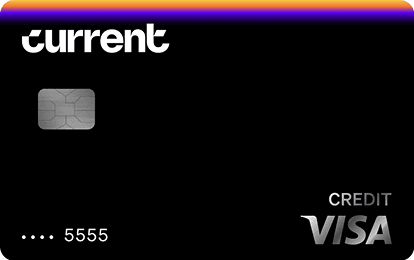
Current Build Card
$0 annual fee. No minimum deposit required. No credit check required. 1 point per dollar on eligible categories. Reports to Experian, TransUnion, Equifax.
Fee
$0
APR
0%
Minimum Deposit Amount
$0
Credit Check
No
Cashback
1 point/dollar on eligible categories (with qualifying payroll deposit)
Benefit
No credit check, no deposit minimum
Properties That Are More Likely to Rent to Immigrants
Not every building treats a thin credit file the same way. Knowing where to apply can save weeks of rejected applications.
Independent landlords and small buildings. Owner-operators of duplexes, triplexes, and small walk-ups often make judgment calls. They can accept an employer letter and a larger deposit where a corporate leasing office cannot.
Sublets and roommate situations. Joining an existing lease as a roommate usually skips the full screening. The primary tenant takes the risk, and you pay them directly.
Short-term corporate or furnished rentals. A three-month furnished lease gives you a local address, a utility bill, and time to build a file. After three months of on-time payments somewhere, your next application gets easier.
International-friendly programs. Some brokerages in New York, Boston, San Francisco, and other student-heavy cities specialize in international tenants. They know which buildings accept alternative documentation.
Corporate Class A apartment buildings with strict underwriting are usually the hardest entry point. You can try them, but have a plan B ready.
How to Make Yourself a Strong Applicant
Walk into every viewing with a single PDF packet. It should include:
- Passport and visa or work authorization
- Signed offer letter or enrollment letter
- Two to three recent pay stubs, or a bank statement showing funds
- Foreign credit report if available
- Reference letters from a previous landlord or employer
- Contact information for a cosigner, if you have one
Hand this to the leasing agent before they ask. You look prepared, which many applicants are not, and you control the narrative.
Also be ready to pay application fees for two or three properties. Widening your funnel is worth the small cost.
Start Building US Credit in Your First Month
You do not need a lease to start a US credit file. A secured credit card accepts applicants with no history and reports to the three major bureaus.
The Current Build Card is one option built for people who are starting from scratch. It links to a checking account, uses your own money as the limit, and reports monthly. There is no traditional credit check to open it.
Use it for small recurring charges like a streaming subscription or your phone bill, pay the balance in full each cycle, and a score typically appears within four to six months. That score then unlocks your next lease, a car loan, or an unsecured card.
Firstcard also offers a secured card designed specifically for newcomers, including applicants without a Social Security Number.
Report Your Rent Payments to Build Credit Faster
Here is a lever most newcomers miss. Rent is usually your biggest monthly payment, and it can count toward your credit file if you report it.
Services like Self.Inc Rent & Utility Reporting verify your rent payments and send them to the credit bureaus each month. Two years of on-time rent becomes two years of positive tradeline data on your report.
This works alongside a secured card, not instead of one. The combination of one revolving account and one reported rental history can produce a usable score much faster than either by itself.
Frequently Asked Questions
Can I rent an apartment in the US without a Social Security Number?
Yes, though it is harder. Many landlords accept an ITIN or a passport plus visa if you can also show income and a larger deposit. Independent landlords and international-friendly brokers are your best starting points.
How much extra deposit should I expect to pay without US credit?
Two to three months of rent is common. Some landlords ask for first, last, and a security deposit, which is effectively three months upfront. Policies vary by state, so check local rental laws before agreeing.
Does paying rent build credit automatically?
No, paying rent does not build credit on its own. Rent only shows up on your credit report if your landlord or a rent reporting service sends it to the bureaus. Most landlords do not report by default, so you usually have to set up reporting yourself.
How long until I have a usable US credit score?
With a secured card and rent reporting together, many immigrants see a FICO score within three to six months. Getting into the mid-600s, which unlocks most apartments and better card offers, typically takes about a year of consistent on-time payments.



