
Asking your card issuer for more credit is one of the easiest moves to improve your credit utilization. If you know how to request a credit limit increase, you can boost your score without opening a new account. The trick is timing the ask and presenting the right info.
Why a Higher Limit Helps Your Score
Credit utilization is the share of your available credit you are using. It is one of the biggest factors in your FICO and VantageScore. Our utilization rate explainer walks through how the number is calculated per card and overall, and why a single maxed card can still drag your score down even when your overall ratio looks fine. For the practical, real-dollar version of the same question — what share of your total available credit you should actually use in a given month — our companion guide on how much of your credit you should use each month walks through targets by total limit.
A higher limit, paired with steady spending, lowers your utilization. That alone can move your score up within a billing cycle or two.
When to Ask for an Increase
Timing matters. Wait at least six months after opening the card and at least six months between increase requests.
Good signs you are ready: you make on-time payments, your income has gone up, and your overall credit looks healthier than when you applied.
Numbers You Should Have Ready
Issuers will ask for current annual income, monthly housing payment, and sometimes employment status. Have accurate, up-to-date answers before you start.
Reporting a recent raise or new job can change the math in your favor. Be honest, since lenders may verify the figures.
How to Make the Request
Most issuers let you ask through their app, website, or phone. Online requests are usually fastest and may give an answer in seconds.
Look for a section called credit limit increase, account services, or request more credit. If you cannot find it, call the number on the back of your card.
Soft Pull Versus Hard Pull
Some issuers use a soft pull for limit increases, which does not affect your score. Others run a hard inquiry, which can shave a few points.
Ask before you submit. If a hard pull is required and you are about to apply for a mortgage or auto loan, it may be worth waiting.
What to Do if You Are Denied
A denial letter must explain the reason. Common ones include short history, recent missed payments, or high balances on other cards.
Fix the issue before you try again. Pay down balances, dispute report errors, and wait at least three to six months before reapplying.
Building Limit-Friendly Habits
Issuers reward customers who use their card and pay it off. Charging small amounts each month and paying in full builds a record of healthy use.
If your file is still thin, add a credit-building product alongside your main card. The Self Visa® Credit Card lets you build savings and credit history at the same time, and it reports to all three major bureaus. That mix may strengthen your case for a higher limit on your other cards. Terms and conditions apply.

Before you ask for an increase, it helps to watch how your score responds to your payments so you can time the request well. Creditship provides free credit monitoring, and Creditship flags exactly what is moving your number, so you know whether your utilization and payment history are strong enough for the issuer to say yes.
Creditship

Creditship
Get free credit monitoring and concrete advice how to improve your credit from Creditship AI.
Standout feature
AI Credit Coach. AI analyzes your credit report in depth and gives you tailored, actionable steps to raise your score.
Fees
Free
Pros
Free credit report access plus monitoring and alerts
Cons
No credit repair feature
Another way to add positive history while you wait is a builder card you fund yourself. The Current Build Card reports your activity to the bureaus to help establish on-time payment history, so Current gives a thin file a second reporting tradeline that can support a stronger limit request later.
Current Build Card
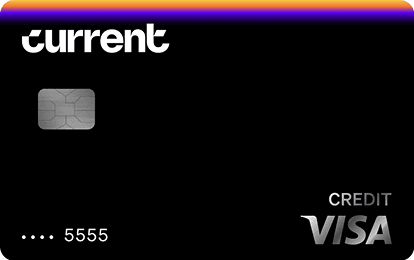
Current Build Card
$0 annual fee. No minimum deposit required. No credit check required. 1 point per dollar on eligible categories. Reports to Experian, TransUnion, Equifax.
Fee
$0
APR
0%
Minimum Deposit Amount
$0
Credit Check
No
Cashback
1 point/dollar on eligible categories (with qualifying payroll deposit)
Benefit
No credit check, no deposit minimum
Firstcard members can also set up auto-pay and balance alerts, which keeps utilization low without daily check-ins.
Smart Use After the Increase
Resist the urge to spend up to the new limit. The whole benefit comes from keeping balances low compared to available credit.
Aim for utilization under 30 percent across all cards, with under 10 percent being even better. Track your statements and pay down before the closing date when possible.
Sample Increase Math
Picture a borrower with one card at a $3,000 limit and a $1,200 balance. Utilization on that card is 40 percent, which is high enough to drag the score down. After a successful increase to $5,000 with the same balance, utilization falls to 24 percent. A 10 to 20 point bump within a statement cycle is realistic, with no new account opened.
If that borrower had asked for $7,500 instead and gotten approved, utilization would drop to 16 percent, often worth another five to ten points. The lesson: ask for a meaningful jump, not a token bump. Many issuers grant 10 to 50 percent increases to qualified accounts, and a few will double the limit on cards held for a year or more with strong use.
How Issuer Decisions Differ
Some issuers like Discover and Chase often run soft pulls on existing customers. American Express has historically used soft pulls for member-initiated requests. Capital One has run hard pulls on some products and soft pulls on others, so always read the prompt before submitting.
Store cards and starter cards may use a different formula. They sometimes auto-increase after six months of on-time use without any request from you. If you carry a store card, log in and check the limit before asking, since you may already have more room than you think.
If multiple cards sit with the same issuer, they may consider total exposure across all your accounts. Closing a small unused card with that issuer first sometimes makes a bigger increase on a primary card more likely.
If your current issuer keeps approving only token bumps, our roundup of the best credit cards for high credit limits in 2026 ranks the products most likely to extend four- and five-figure starting limits to qualified applicants.
Related Reading
- Sezzle Credit Limit: How It Works and How to Increase It
- Credit Card for Groceries: Smart Picks for Every Budget
- How to Use a Credit Card Payoff Calculator the Right Way
- Credit One Bank Cash Advance: Fees, APR, and Smarter Alternatives
- Goodwill Adjustment Letter Template: Request Credit Score Help
Frequently Asked Questions
Will requesting a credit limit increase hurt my credit score?
It depends on the issuer. Some pull a soft inquiry, which has no effect on your score. Others run a hard inquiry, which may drop your score by a few points for up to a year.
How often can I ask for a credit limit increase?
Most issuers want you to wait at least six months between requests on the same card. Asking too often can lead to automatic denials and may suggest financial stress to the lender.
What income should I report on the request?
Report your current gross annual income, including a spouse or partner's income if you are 21 or older and have access to it. Include side income only if it is regular and provable. Lying on the form is a federal offense, so always be accurate.
What if my issuer never offers automatic increases?
Some issuers raise limits automatically after months of solid use, while others wait for you to ask. If yours is the second type, schedule a reminder every six to nine months to request manually. Steady payments and low balances make a yes more likely.




