
Moving to the United States comes with a long to-do list, and somewhere near the top is figuring out how to pay for things. Credit cards in the US are more than a way to buy stuff. They are the foundation of your credit history, which lenders, landlords, and sometimes employers will check. The tricky part is that without a Social Security number or a US credit file, most banks say "no".
The good news is that the system has more openings than it used to. Several lenders accept ITINs instead of SSNs, some let you import credit history from your home country, and a few products skip the credit check entirely. This guide walks through the paths that work, from no-credit-check builders to full rewards cards, and shows how to stack them for the fastest progress. (For the Firstcard product story behind one of the biggest no-SSN cards on the market, see our launch post on financial access for international students.)
Why Immigrants Struggle With US Credit
Credit scoring in the US is local. Your excellent history in India, Brazil, Nigeria, or the Philippines usually does not carry over to American lenders. When you apply for a card, the bank pulls your US credit file. If that file is blank, the system often spits out a denial, even if you earn a great salary.
On top of the blank file, many card applications ask for a Social Security number. If you are on an H-1B, F-1 OPT, or a green card track, you probably have one. If you are on another visa or newer to the country, you may only have an ITIN. Until recently, an ITIN locked most doors shut. That is changing, but it takes knowing where to look. APRs vary and terms apply.
ITIN-Accepting Credit Cards
An ITIN is a tax ID issued by the IRS to people who cannot get an SSN but need to file taxes. A growing number of lenders accept ITINs on applications, which opens up regular cards for non-citizen residents.
Among major issuers, American Express and Capital One have historically been the most ITIN-friendly for premium products. Some credit unions also accept ITINs and can offer secured cards with low deposits. Fintech-backed cards are often the best fit for newcomers because they were built with this audience in mind. If you also need a personal loan alongside the card, our personal loan with ITIN guide covers ITIN-friendly installment lenders.
Best No-Credit-Check Option: Current Build Card
The Current Build Card is a strong opening move for immigrants because it skips the credit check entirely. You open a Current account, fund it with your paycheck or transfers from abroad, and use the Build Card like a debit card. The purchases get reported as credit activity to the bureaus.
For someone with zero US credit file, this is one of the fastest ways to get a tradeline reporting. There is no interest and no hard pull. Current accepts ITINs in most cases, which means you do not need to wait for an SSN to start building. Within 3 to 6 months of regular use, you may see a thin FICO file turn into a usable score in the low 600s or higher, though results vary.
Current Build Card
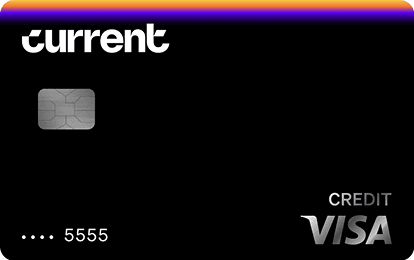
Current Build Card
$0 annual fee. No minimum deposit required. No credit check required. 1 point per dollar on eligible categories. Reports to Experian, TransUnion, Equifax.
Fee
$0
APR
0%
Minimum Deposit Amount
$0
Credit Check
No
Cashback
1 point/dollar on eligible categories (with qualifying payroll deposit)
Benefit
No credit check, no deposit minimum
Using Nova Credit to Import Your Home Country History
If you are coming from certain countries, you can bring your credit history with you. Nova Credit is a service that pulls credit reports from participating countries and translates them into a format US lenders can use. Participating countries include India, Mexico, Canada, Brazil, the UK, Australia, and several others.
American Express was the first major US bank to use Nova Credit in their application flow. If you have strong credit in a Nova partner country, you can sometimes get approved for a US card with no US history at all. Not every lender uses Nova Credit, and not every applicant qualifies, but it is worth trying if your home country is on the list.
Secured Card Path: Self Visa® Credit Card
Secured cards work well for immigrants because they do not depend on your US credit history. You put down a deposit, and that deposit becomes your credit limit. The Self Visa® Credit Card works differently from a classic secured card. You start with a Credit Builder Account, which is basically a savings product that reports monthly payments to the bureaus. After a few on-time payments and $100 in savings, you unlock the Self Visa without a separate hard pull.
Self reports to all three US bureaus, which matters for building a usable FICO score. The card accepts many ITIN applicants, though you should check current eligibility rules. Over 12 months of on-time payments, many cardholders see their score climb into the mid-600s or higher. That usually unlocks unsecured cards from mainstream issuers.

Visa and EAD-Friendly Application Tips
When you fill out a US credit card application, you will be asked for your residency status. Honesty matters here. Select "permanent resident" only if you have a green card. If you are on an H-1B, F-1 OPT, or another work visa, pick "non-US citizen" or the closest option. Some apps have a drop-down for visa type, which is helpful.
List your employment authorization document (EAD) expiration date if asked. Many lenders are fine with a short runway, but a few require at least 6 months of authorized stay. You may need to upload a copy of your visa, passport, and US address proof. Use a bank statement or utility bill for address proof, not your lease if you can help it.
Your income should be your gross US-based salary. Do not include income from your home country unless the application specifically asks. Cards use the income number to set your credit limit. If you also need a small loan to bridge income while you settle in, our personal loan with no SSN guide covers fintech lenders that work with visa-holder applicants and what they require.
Stacking Tools for Faster Credit Growth
The fastest path to a solid US credit score is running two or three credit-building tools at once. A common setup is Current Build Card for everyday spending, plus a Self Credit Builder Account running in the background, plus a secured card after 3 to 6 months.
Each tool reports a separate tradeline. More tradelines with on-time payments look better to the scoring models than one account alone. Just do not open all of them on the same day, which can trigger fraud flags. Spread applications over 2 to 3 months.
Set up autopay for every account so you never miss a payment. One late payment can drop your young FICO score by 50 to 80 points, which undoes months of work.
Common Mistakes to Avoid
The biggest mistake is applying for too many cards too fast. Each hard inquiry may shave a few points off your score, and approval odds drop with each recent application. Stick to one or two applications every 3 months while you are in the building phase.
Another is using too much of your available credit. Keep your utilization under 30 percent, and ideally under 10 percent. If your limit is $500, do not carry a balance above $150 from statement to statement. Paying twice a month helps keep the reported balance low.
Finally, do not ignore the APR on a starter card. Many are in the high 20s. If you carry a balance, the interest eats any rewards you earn. Pay the full balance every month.
Frequently Asked Questions
Can I get a US credit card without a Social Security number?
Yes. An ITIN can work for several fintech cards and some credit unions. Products like the Current Build Card and certain American Express offerings accept ITIN applicants. You may need to show your visa, passport, and proof of US address.
Does my credit history from my home country transfer to the US?
Usually no, but Nova Credit can import reports from participating countries like India, Canada, Mexico, Brazil, the UK, and others. Some lenders, including American Express, use Nova Credit in their application process. If your home country is on the list, it is worth trying.
How long does it take for an immigrant to build US credit?
With consistent use of credit-builder tools and on-time payments, many newcomers reach a usable FICO score in 3 to 6 months. A strong score of 700 or higher typically takes 12 to 24 months. Running two or three tradelines at once can speed things up.
Is it safe to use a secured credit card as a newcomer?
Yes. Secured cards are regulated like regular credit cards, and your deposit is refundable when you close the account in good standing. Cards like the Self Visa report to all three bureaus and can help establish a credit history with low risk. APRs vary and terms apply.




