
Self is one of the biggest names in credit building, with over 500,000 members. But is it actually worth your money? The short answer: it depends on your situation. Self works well for some people and is a waste of money for others. Let's break down exactly what Self offers, how much it costs, and whether it's the right choice for you. If you want to skip ahead, you can check out the Self Credit Builder Account here or apply for the Self Visa® Credit Card here.
What Is Self?
Self Inc. is a credit-building platform founded in 2016. They offer two main products: a credit builder account and a secured credit card called the Self Visa. The Self Credit Builder Account works like this: you choose a deposit amount ($500–$24,500), and Self holds it in a locked savings account. You make monthly payments over 12–60 months, and at the end, you get your money back plus interest. Every payment is reported to all three credit bureaus.
The Self Visa® Credit Card is a secured credit card that requires a cash deposit. You can use it like a regular card, and Self reports your payments to boost your credit. If you're weighing your options, compare this to how credit builder loans stack up against secured cards.


What Does Self Cost?
Self's pricing varies based on which product you choose and your plan. For the credit builder account, you'll pay an origination fee of about 25–50%, plus a setup fee. For example, a $500 credit builder account might cost you $125–$250 in fees, plus interest. If you add the Self Visa, the annual fee is $25–$35.
These fees add up. If you're building a $1,000 credit profile with both products, you could easily spend $300–$400. That's expensive compared to other credit-building options, which we'll cover below.
How Much Does Your Credit Actually Improve?
According to Self's own data, most users see a 30–50 point increase in their credit score within a few months. That's a real boost, but not miraculous. Some users report larger gains (100+ points), while others see little improvement—especially if they have existing negative marks like late payments or collections.
The improvement depends on where you're starting. If you have no credit history at all, Self can have a bigger impact. If you already have some credit but bad payment history, the improvement might be smaller because negative items hurt more than positive items help. Learn more about how long it takes to build credit.
Self vs. Other Credit Builders
Self isn't your only option. Here's how it stacks up against the best credit builder loans available:
Kikoff is cheaper and more flexible. It costs $1–$10 per month with no upfront origination fees. You get smaller credit lines (typically $100–$1,000), which means lower upside but lower cost. Read our Kikoff review for a full comparison.
MoneyLion offers credit building through their Plus membership ($99–$199/year), which includes a credit builder account plus financial tools. It's pricier upfront but gives you more features. See our MoneyLion review for details.
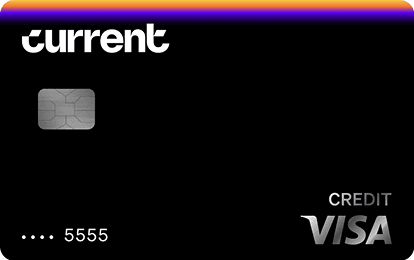
Current Build Card is a credit builder card with $0 annual fee and no credit check required. It reports to all three bureaus and earns 1 point per dollar on dining and groceries. Read our Current Build Card review.
Credit unions offer credit builder accounts too, often with lower fees than Self. Check with your local credit union first—you might find a better deal.
Kikoff Credit Account

Kikoff Credit Account
Everything you need to build your credit, right in one app. Build credit, lower debt, and unlock progress with tools that actually work.
Standout feature
An avg increase of +86 points within a year with on-time payments
Fees
$5/month for Basic plan, $20/mo for Premium plan $35/mo for Ultimate plan
Pros
Helps both payment history and credit utilization, the two factors that move scores most
Cons
Monthly fee continues for as long as you keep the account open
Current Build Card
Current Build Card
$0 annual fee. No minimum deposit required. No credit check required. 1 point per dollar on eligible categories. Reports to Experian, TransUnion, Equifax.
Fee
$0
APR
0%
Minimum Deposit Amount
$0
Credit Check
No
Cashback
1 point/dollar on eligible categories (with qualifying payroll deposit)
Benefit
No credit check, no deposit minimum
MoneyLion
MoneyLion
Compare personal loan offers from top providers in minutes with no credit score impact with the MoneyLion Marketplace.
Standout feature
Soft-pull marketplace that surfaces prequalified personal loan offers from a network of lenders, with options up to $100,000 and partners that work with fair and bad credit
Fees
Free to use the marketplace
Pros
Compare multiple lender offers in minutes; soft credit pull to prequalify — no impact on your score
Cons
Final approval requires a hard pull from the chosen lender
Should You Use Self?
Self is worth it if you have no credit history and can afford the fees. It's also good if you want both a credit builder account and a credit card in one place. But if you're on a tight budget, Kikoff or a credit union credit builder account will do the same job for less money.
Self isn't worth it if you're just looking to rebuild a damaged credit score. If you have late payments, collections, or charge-offs, those negative items will outweigh Self's positive impact. You're better off paying down debt and waiting for negative marks to age off your report.
The bottom line: Self works, but it's not the only option. If the cost fits your budget and you want an all-in-one solution, sign up for the Self Credit Builder Account or apply for the Self Visa® Credit Card. But compare it to Kikoff and your local credit union first. The best credit builder is the one you'll stick with for 12–24 months, and that's often the cheapest one.
Frequently Asked Questions
Does Self actually report to all three credit bureaus?
Yes. Self reports your payment activity to Equifax, Experian, and TransUnion. This means every on-time payment shows up on all three credit reports, which is important since different lenders check different bureaus.
How long does it take to see credit score improvement with Self?
Most users see initial score movement within 1–3 months after their first reported payment. Significant improvement (30–50 points) typically takes 4–6 months of consistent on-time payments.
Can I cancel Self early and get my money back?
Yes, but you'll lose some money. If you cancel early, Self returns what you've paid minus the origination fee and any interest. The credit-building benefit stops immediately since there are no more payments to report.
Is Self worth it if I already have a credit card?
It depends on your credit mix. Having both revolving credit (cards) and installment loans (Self) on your report diversifies your credit profile, which can boost your score. But if you're already building credit well with cards alone, the added cost may not be justified.



