Western Union has been moving money since 1851 and is one of the most heavily regulated money transfer companies in the world. So is Western Union safe? The infrastructure itself is safe and licensed in every U.S. state and over 200 countries. The bigger risk is human: Western Union is a common tool used in romance, lottery, and tech-support scams because once cash is picked up, it's nearly impossible to recover. Here's exactly what's safe, what's risky, and how to use Western Union without becoming a victim. For a wider look at fees, app quality, and value, our full Western Union review covers ground beyond safety. If you're specifically planning to send through the mobile app rather than a counter, our Western Union app review covers fees, send limits, and what the app does well versus the in-person experience.
Western Union as a Company: Regulated and Audited
Western Union is publicly traded on the New York Stock Exchange (ticker: WU) and licensed in every U.S. state as a Money Service Business (MSB). It's regulated federally by FinCEN and required to follow Bank Secrecy Act, Anti-Money-Laundering (AML), and Know Your Customer (KYC) rules. International transfers are also subject to OFAC sanctions screening.
In 2017, Western Union paid a $586 million settlement to the U.S. Department of Justice and the FTC for failing to police fraud and act on consumer complaints. Since then, Western Union has built additional fraud detection and refunds programs, including a U.S. Remission Fund that has returned over $586 million to scam victims as of 2025.
So the company itself: legitimate, regulated, and audited.
Sending Safely Through Western Union
When you stick to recipients you know, Western Union is a fast, reliable, and fully licensed way to move money to family at home or abroad. Every transfer is tracked by an MTCN reference number, cash pickup often completes within minutes, and the company runs fraud monitoring on the send side. Used with the safety rules below, it remains one of the most trusted names in remittance.

What's Actually Safe
Sending money to people you know personally is safe and reliable. The transfer is tracked by reference number (MTCN), and most transfers complete within minutes for cash pickup or up to a few business days for bank deposits. Western Union has fraud monitoring on the send side that flags unusual patterns.
Receiving money is safe too, as long as you go to a real Western Union agent location and present valid ID matching the recipient name on the transfer.
Where Western Union Becomes Dangerous: Scams
Western Union is one of the most common tools used in financial scams. The most frequent patterns:
- Romance scams. Someone you've only met online asks you to wire money for a flight, a medical emergency, or to clear customs.
- Lottery and prize scams. "You won! Just wire the taxes/processing fee first."
- Tech support scams. A pop-up or call says your computer is infected and you must pay to clean it.
- Grandparent scams. A caller pretends to be a grandchild in jail and asks you to wire bail.
- Job and rental scams. A fake employer or landlord wants a deposit before you can start.
- IRS or government impersonation. "You owe back taxes, pay now or be arrested."
The common pattern: a stranger creates urgency, asks you to send cash via Western Union to someone you can't physically meet, often abroad. Once the recipient picks up the cash, it's gone. Western Union almost never recovers funds from scams.
The Federal Trade Commission has stated repeatedly: a legitimate U.S. government agency, employer, or family member will never demand payment via Western Union.
How to Use Western Union Safely
A few rules cover almost every scam scenario:
- Never send money to anyone you haven't met in person.
- Never send money based on an email, phone call, or text from someone claiming to be a relative without verifying their identity through another channel.
- Never share your reference number (MTCN) until the recipient is at the pickup location and ready to collect.
- Be skeptical of any "emergency" that requires Western Union specifically. Ask why a check, bank transfer, or PayPal won't work.
- For business and large transfers, use a bank wire instead of Western Union. Bank wires have better tracing and reversibility within a short window. Note that scammers also exploit Western Union's transfer limits by splitting requests across multiple sends, so any pattern of staged smaller transfers should be a red flag.
- For online purchases from sellers you don't know, use a credit card. Credit cards offer chargeback protection that Western Union does not.
If you suspect a transfer is part of a scam, call 1-800-448-1492 immediately. If the funds haven't been picked up yet, Western Union may be able to cancel.
Building Credit So You Can Use Safer Payment Methods
One reason scammers prefer cash transfers is that their targets don't have other tools, like a credit card with chargeback rights. If you're sending money internationally because you don't have a U.S. bank account or credit card, it's worth looking at credit-builder products that work without a SSN. The Current Build Card doesn't require a Social Security number to start, and Firstcard offers credit-building options for newcomers and those with thin credit. Once you have a credit card, you can use it for online purchases, get fraud protection, and stop relying on irreversible cash wires.
Current Build Card
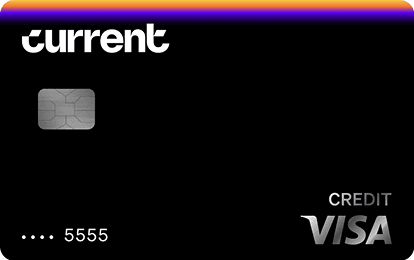
Current Build Card
$0 annual fee. No minimum deposit required. No credit check required. 1 point per dollar on eligible categories. Reports to Experian, TransUnion, Equifax.
Fee
$0
APR
0%
Minimum Deposit Amount
$0
Credit Check
No
Cashback
1 point/dollar on eligible categories (with qualifying payroll deposit)
Benefit
No credit check, no deposit minimum
A Second Trusted Transfer Option: MoneyGram
If you want to compare another established and licensed remittance network, MoneyGram operates in roughly 200 countries with both cash pickup and bank-deposit options. Like Western Union, it is regulated as a Money Service Business and runs its own fraud monitoring, so checking rates on both before you send to a known recipient can help you find the cheaper corridor.

Western Union for Everyday Remittance
For regular sends to the same family members, Western Union remains a dependable default. Western Union lets you save a recipient profile so you are not re-entering details under pressure, and its huge agent network means your recipient can almost always collect cash nearby. Stick to people you know and follow the safety rules above, and it is a safe, proven way to move money.
Western Union Alternatives Worth Knowing
For trusted-recipient sends, alternatives like Wise, Remitly, Xoom, and bank wire often have better exchange rates and lower total cost. They're not safer in a scam scenario, since the same warnings apply, but they're more economical for everyday remittance to family. Our head-to-head Western Union vs. Wise comparison shows exactly how much you can save on common corridors when both sides have a bank account.
Wise typically saves 1% to 4% on the exchange rate compared to Western Union for the same corridor. Remitly's Express transfers cost more but arrive in minutes, similar to Western Union.
What to Do Next
Bookmark Western Union's fraud hotline (1-800-448-1492) and the FTC scam reporting page (reportfraud.ftc.gov). If you regularly send money to family, set up a saved recipient profile on Western Union or another service so you don't have to re-enter details under pressure. And if you've already sent money to a scammer, file a complaint with the FTC and check whether your transfer qualifies for the Remission Fund.
Frequently Asked Questions
Is Western Union legit?
Yes. Western Union is a publicly traded company licensed in every U.S. state and over 200 countries as a Money Service Business. It's regulated by FinCEN and required to follow strict anti-money-laundering rules.
Can I get my money back if I send Western Union to a scammer?
If the funds haven't been picked up yet, you can usually cancel and get a refund. Once picked up, Western Union almost never recovers the funds. Some scam victims qualify for the Western Union Remission Fund through the U.S. Department of Justice.
Is Western Union safer than a bank wire?
Bank wires have stronger tracing and a brief reversibility window, so for large transfers to known recipients, a bank wire is often safer. Western Union is faster and works for unbanked recipients, but it offers less recourse if something goes wrong.
What's the maximum amount I can send safely with Western Union?
Western Union has no fixed maximum, but transfers above $1,000 require enhanced ID verification, and transfers above $10,000 trigger additional reporting. For purely safety reasons, splitting larger transfers or using a bank wire is usually better.