
Relocating to the United States on an L1 visa is exciting, but the financial setup can be frustrating. You probably had a strong credit profile back home, only to find U.S. banks treat you like you just turned 18. If you are an L1 visa holder trying to get approved for a credit card in 2026, here is what actually works.
The trick is choosing the right starter product. Many traditional issuers reject L1 applicants without a U.S. credit history, even with a six-figure salary. Builder cards bypass that problem. The Current Build Card uses your own funds and reports to the credit bureaus, which makes it accessible from day one without a credit check. Terms apply.
What an L1 Visa Means for U.S. Credit
The L1 visa is for intracompany transferees, typically managers or specialized employees moving from a non-U.S. office of the same company. L1A and L1B both authorize work in the U.S., and your dependents can join on L2 visas. From a credit perspective, you are starting from scratch.
U.S. credit bureaus do not import data from other countries. Your credit cards in India, the UK, or anywhere else do not transfer. You need to build a U.S. credit footprint, ideally within the first 30 to 60 days after arrival. If you are arriving from Canada specifically, our walkthrough on how to bring credit history from Canada to the US covers the small number of bank programs that can ease the transition.
Why Traditional Cards Often Reject L1 Holders
The issue is not your income or job stability. Big banks rely on credit scoring algorithms that need at least six months of U.S. history to generate a score. Without that, applications get auto-declined even when the applicant earns 200,000 dollars a year at a Fortune 500 company.
Some banks make exceptions for clients with global banking relationships, but most rely on a credit pull. If the pull returns no file, the answer is usually no. This is why builder products and secured cards are often the smarter first step.
The Builder Card Path
A builder card sidesteps the credit-check problem. You add funds to a linked account, spend like a regular debit card, and your activity gets reported to the bureaus as positive history. There is no hard inquiry, no interest, and no risk of going into debt.
The Current Build Card is one example. It uses your own balance to back transactions and reports to the bureaus. Most L1 holders can sign up after passing identity verification with their passport and visa documents. Within three to six months, you typically have a starter FICO score that opens doors to other cards.
Secured Cards for L1 Visa Holders
A secured card is another reliable option. You put down a refundable deposit, usually 200 to 500 dollars, and your credit limit equals the deposit. The card behaves like a regular credit card. You spend, you pay the bill on time, and the issuer reports to the bureaus.
Firstcard offers a credit card for immigrants that accepts L1 and other visa holders, no SSN required at the start. After 6 to 12 months of on-time payments, many users qualify for upgrades to unsecured cards with better terms.
Current Build Card
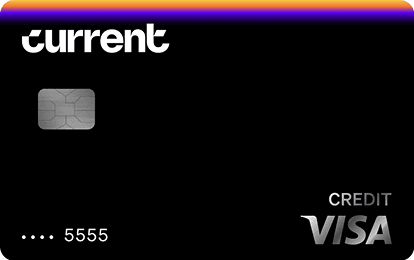
Current Build Card
$0 annual fee. No minimum deposit required. No credit check required. 1 point per dollar on eligible categories. Reports to Experian, TransUnion, Equifax.
Fee
$0
APR
0%
Minimum Deposit Amount
$0
Credit Check
No
Cashback
1 point/dollar on eligible categories (with qualifying payroll deposit)
Benefit
No credit check, no deposit minimum
What Documents You Will Need
Most issuers ask for similar documents. Your passport with visa stamp, your I-94 record, an employment offer letter, and proof of U.S. address are the basics. Some ask for your SSN once you receive it, while others accept your ITIN or passport number for initial setup. If you have not applied yet, our explainer on what an ITIN number is covers the IRS process and the documents you can use with banks before your SSN arrives.
If you have your SSN already, even better. SSNs make most applications smoother. If you do not have one yet, apply at the Social Security Administration as soon as your I-94 is updated. Approval usually takes two to four weeks.
Building Credit in Your First Year
The first 12 months matter. Make every payment on time. Set up autopay if you tend to forget due dates. Keep your utilization below 30 percent, and ideally below 10 percent. Avoid applying for several cards in a short window, which creates multiple hard pulls.
After six months of activity, you will have a FICO score. After twelve months, you can usually qualify for upgraded products. Apartment landlords, auto lenders, and even some employers will start treating you like a long-term U.S. resident, not a brand-new arrival.
What to Avoid
Do not apply for premium travel cards in your first month. Most will reject you, and each rejection creates a hard inquiry that lingers for two years. Do not max out your starter card just because you have a limit. High utilization hurts your score even with perfect payment history.
Stay away from any service that promises instant approval for premium cards, fake SSNs, or shortcut credit scores. These are scams that can lead to fraud charges, account closures, and damaged credit. Build slowly and legitimately.
Upgrading Once You Have History
After 12 months of solid payments, you can apply for traditional unsecured cards. Many banks have specific products geared toward newcomers, including travel cards that waive foreign transaction fees. Your starter card deposit usually comes back when you close or upgrade. If your status eventually transitions to permanent residency, our roundup of the best credit card for new green card holders covers the upgrade picks that pair well with a 12-month L1 history.
Firstcard offers paths to upgrade once you have established history. If you held an ITIN credit card initially, you can typically convert to an SSN-based product after getting your number. Keep your oldest account open whenever possible. Length of credit history is a real scoring factor.
Frequently Asked Questions
Can L1 visa holders get a credit card without a U.S. credit history?
Yes. Builder cards and secured cards are designed for people without history. Some major issuers also offer cards aimed at newcomers that use alternative underwriting. The Current Build Card and similar products skip the credit check entirely because they are backed by your own funds.
Do I need an SSN to apply for a credit card on an L1 visa?
Not always. Several issuers accept ITINs or even passport numbers for initial applications. Once you receive your SSN, you should update your accounts so your history links correctly. Builder cards typically require only identity verification, not an SSN.
How long does it take to build a credit score on an L1 visa?
Most people have a FICO score after about six months of reported activity. After twelve months of on-time payments and low utilization, you can usually qualify for upgraded cards and loans. Consistency matters more than the size of your credit limit.
Should L1 visa holders apply for a premium card right away?
Probably not. Premium cards usually require strong U.S. credit history, which most newcomers do not have. Start with a builder card or secured card, build six to twelve months of activity, and then apply for premium products. Patience saves you from a string of rejections and hard inquiries.




