
A tight budget shouldn't stop you from building credit. Low deposit secured credit cards let you get started with as little as $49, or even no deposit at all, making them one of the most accessible tools for building or repairing your credit score. If you want a broader comparison that also covers $0-down and paycheck-linked options, see our roundup of credit cards with the lowest minimum deposit requirement.
What Is a Low Deposit Secured Credit Card?
A low deposit secured credit card is a secured card that requires a smaller upfront security deposit than typical secured cards. Traditional secured cards often require $200 or more. Low deposit cards bring that number down significantly, making them more accessible for people with limited cash on hand.
The deposit acts as your credit limit. So if you deposit $49, your starting credit limit is typically $49. You can often increase it later by adding more funds.
Low deposit secured credit cards work exactly like regular secured cards. You make purchases, pay your bill on time, and the card issuer reports your payment history to credit bureaus, helping you build your credit score.
The 7 Best Low Deposit Secured Credit Cards
These seven cards give you a path to credit building whether you have $200 to set aside or nothing at all. Every card here reports to the three major bureaus, so your on-time payments build real credit history.
Current Build Card: $0 Deposit
The Current Build Card has no minimum deposit required, making it one of the most accessible secured cards available. It charges a $0 annual fee, 0% APR, and requires no credit check. It reports to Equifax, Experian, and TransUnion, and earns 1 point per dollar on dining and groceries. You can open a Current account and start building with money you already have.
Current Build Card
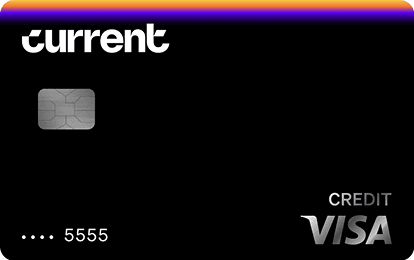
Current Build Card
$0 annual fee. No minimum deposit required. No credit check required. 1 point per dollar on eligible categories. Reports to Experian, TransUnion, Equifax.
Fee
$0
APR
0%
Minimum Deposit Amount
$0
Credit Check
No
Cashback
1 point/dollar on eligible categories (with qualifying payroll deposit)
Benefit
No credit check, no deposit minimum
Chime Credit Builder Card: $0 Deposit
The Chime Credit Builder also requires no minimum security deposit. It has a $0 annual fee and no interest charges. You transfer money into your Chime account, and that balance sets your spending power, so you only spend what you have. You'll need a Chime spending account to qualify. Check Chime's website for current bureau reporting and eligibility details.
Chime Card™
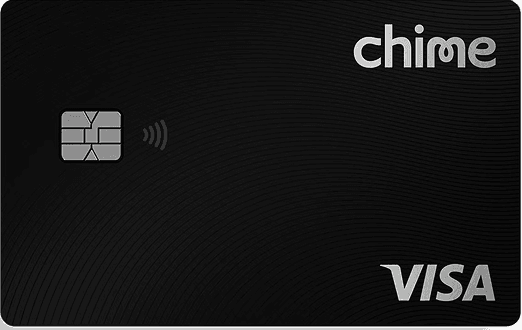
Chime Card™
Chime Card™ is Chime’s secured credit card and has the reliable Chime credit-building features plus 5% cash back rewards on select categories (with direct qualifying deposit) and access to cash at ATMs. [https://www.chime.com/disclosures/](link)
Fee
$0
APR
0%
Minimum Deposit Amount
$0
Credit Check
No
Cashback
5% cash back rewards on select categories (with direct qualifying deposit)
Benefit
Overdraft up to $200 without fees for eligible members.
Capital One Platinum Secured: $49 Deposit
Capital One Platinum Secured has the lowest deposit requirement among traditional secured cards. A $49 deposit opens an account with a $200 credit limit, which is enough for meaningful credit building. It has a $0 annual fee, no rewards, and reports to all three bureaus. The APR is on the higher end (around 28.99% variable as of June 2026), so try to pay your balance in full each month. Capital One reviews accounts after about six months for credit-line increases and potential graduation.
Self Visa Secured Credit Card: $100 Deposit
Self Visa requires just $100 to start, one of the lowest minimums among traditional secured cards. There is no annual fee in year one, then $25 after. Self doesn't require a credit check, the APR is around 27.49% variable (as of June 2026), and it reports on-time payments to all three bureaus. Many users graduate within 12 to 18 months.

Discover it Secured: $200 Deposit
Discover it Secured pairs a $0 annual fee with real rewards: 2% cash back at gas stations and restaurants on up to $1,000 in combined purchases each quarter, plus 1% on everything else. Discover also matches all the cash back you earn at the end of your first year. The APR is about 26.49% variable (as of June 2026), and Discover reviews accounts for graduation starting around month seven, faster than most competitors. It reports to all three bureaus.
OpenSky Secured Visa: $200 Deposit
OpenSky offers a path to credit building without a hard credit check. The standard card has a $35 annual fee, while OpenSky Plus offers a $0 annual fee version. The APR is around 25.64% variable (as of June 2026), and your deposit, starting at $200, becomes your credit limit. OpenSky is a popular choice for people rebuilding after credit setbacks, and you can apply for OpenSky directly.

Kikoff Secured Credit Card
The Kikoff Secured Credit Card charges 0% interest and requires no credit check. It's designed to work like a debit card alongside credit building, so you spend from your own funds while your payments get reported. The deposit and fee structure can change, so check Kikoff's current terms before applying.
Kikoff Secured Credit Card
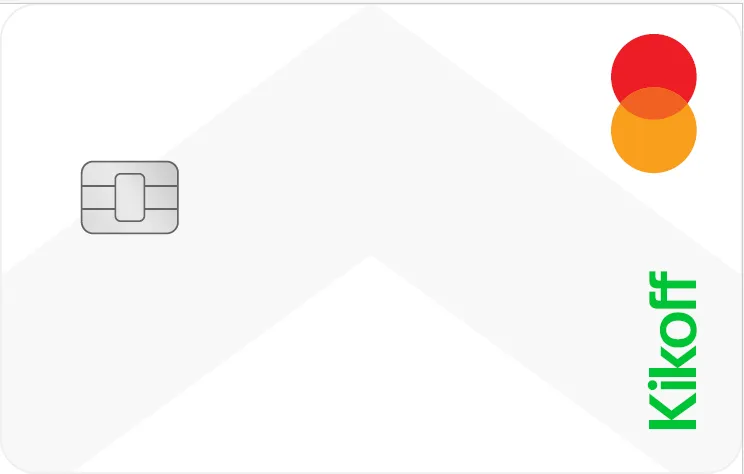
Kikoff Secured Credit Card
Kikoff Secured Credit Card works like a debit card & checking account and performs like a credit builder. Build credit with your everyday purchases.
APR
0%
Minimum Deposit Amount
$0
Credit Check
No
Cashback
Yes
Benefit
0% interest. No credit check.
Low Deposit Secured Card Comparison
Here's how the seven cards compare at a glance. Rates and fees are current as of June 2026 and can vary by issuer and creditworthiness, so confirm the latest terms on each card's website before you apply.
| Card | Minimum Deposit | APR | Credit Check | Annual Fee |
|---|---|---|---|---|
| Current Build Card | $0 | 0% | No | $0 |
| Chime Credit Builder | $0 | 0% | No | $0 |
| Capital One Platinum Secured | $49 | 28.99% variable | Soft pull | $0 |
| Self Visa Secured | $100 | 27.49% variable | No | $0 first year, then $25 |
| Discover it Secured | $200 | 26.49% variable | Soft pull | $0 |
| OpenSky Secured Visa | $200 | 25.64% variable | No | $35 ($0 with Plus) |
| Kikoff Secured | Varies (low) | 0% | No | Varies |
How Low Can the Deposit Go?
Some secured cards require no deposit at all. The Current Build Card and Chime Credit Builder Card are examples of no-minimum-deposit cards. They use different mechanics, such as linking to your bank account, to manage spending limits.
Traditional secured cards often start at $200. Some require $300 to $500 or more. The trend in credit building is moving toward lower or zero-deposit options, especially for fintech-backed cards. This is good news for people who can't afford to lock up a large amount of cash.
Low Deposit vs No Deposit: What's the Difference?
These two types are similar but not identical:
Low deposit secured cards require a small deposit, usually under $100, that becomes your credit limit. You get the deposit back when you close the account in good standing.
No deposit secured cards don't require any upfront cash. They typically link to your bank account or have other safeguards. Your credit limit may be tied to your income, linked account balance, or spending patterns.
Both types can help you build credit, but no-deposit options free up more cash for everyday expenses. The tradeoff is that no-deposit cards sometimes come with monthly fees or subscription costs instead.
How to Choose the Right Low Deposit Secured Card
When comparing low deposit secured credit cards, focus on these factors:
- Bureau reporting: Confirm the card reports to all three bureaus (Equifax, Experian, TransUnion). Cards that only report to one bureau build your credit more slowly.
- Annual fee: Some low-deposit cards charge annual fees that can offset the benefit. Look for $0 or low-fee options.
- Interest rate (APR): If you carry a balance, a high APR can cost more than you save. Cards with 0% APR, like Current Build, remove this concern.
- Upgrade path: Cards with upgrade options let you eventually move to an unsecured credit card as your credit improves.
- Credit check: No-credit-check cards are easier to get approved for if you have bad credit.
Still deciding? Run through these quick questions:
- How much can you deposit right now? Under $50 points you to Capital One ($49) or a zero-deposit card like Chime or Current. With $100 to $200, Self and Discover open up.
- Do you want rewards while you build? Discover it Secured and the Current Build Card both earn cash back; the others focus purely on credit building.
- Is a credit check a concern? OpenSky, Self, Chime, Current, and Kikoff approve without a credit check.
- Do you already bank with Chime or Current? If so, their cards are the simplest, lowest-cost way to start.
Creditship.ai can help you monitor your credit and see how your secured card is affecting your score over time.
How to Graduate to an Unsecured Card
The goal with a secured card is graduation: converting to an unsecured card and getting your deposit back.
Most cards graduate between 6 and 18 months. Discover it Secured is among the fastest, reviewing around month seven. Capital One and OpenSky typically take 12 to 18 months.
Issuers look for a few things before they graduate you:
- On-time payments: Never miss or be late. This is the biggest factor.
- Low utilization: Keep your balance below 30% of your limit, ideally under 10%.
- Account age: Some issuers require a minimum time, often six months, before reviewing.
When you graduate, your deposit is returned, usually as a statement credit or check, your card converts to unsecured with a potentially higher limit, and you keep the same account number, which preserves your credit history. Don't close the card after graduation. Keeping it open and lightly used helps your score by maintaining available credit and account age.
Tips for Building Credit With a Low Deposit Card
Getting the card is just step one. Here's how to make the most of your low deposit secured card:
Keep your utilization low. With a small credit limit, it's easy to use 50% or more of your available credit without realizing it. Try to keep your balance below 30% of your limit.
Pay in full every month. Paying your full balance avoids interest charges and demonstrates responsible credit use. Even paying the minimum helps, but full payment is better.
Use the card regularly, but lightly. Charge small purchases each month, like a streaming subscription or gas fill-up, so the account stays active.
Monitor your credit report. Check your report at AnnualCreditReport.com for free. Make sure your card is reporting correctly and dispute any errors you find.
Stay patient. Credit building takes time. Most people see real score improvements after 6 to 12 months of consistent, responsible use.
Firstcard's credit-building card is another option designed specifically for people building credit from scratch.
Frequently Asked Questions
What is the lowest deposit for a secured credit card?
Some cards, like the Current Build Card and Chime Credit Builder Card, require no minimum deposit. Among traditional secured cards, Capital One Platinum starts as low as $49. Check each card's current terms before applying.
Can I get a secured card with a $49 deposit?
Yes. Capital One Platinum Secured advertises a deposit as low as $49, which opens a $200 credit limit. These offers can change, so always verify current deposit requirements on the issuer's website.
What credit score do I need to qualify?
Most low-deposit cards have no minimum score requirement. Self, OpenSky, Chime, and Current approve without a credit check. Discover and Capital One may run a soft pull that doesn't hurt your score.
Do low deposit secured cards help build credit?
Yes, as long as the card reports to at least one major credit bureau. Cards that report to all three, Equifax, Experian, and TransUnion, can help you build credit more broadly. A $49 deposit builds credit just as effectively as a $500 one.
Can I increase my credit limit without adding to my deposit?
Sometimes. Many issuers review for automatic limit increases after six or more months of responsible use, though policies vary by card.
Will I get my deposit back from a secured card?
Yes. Security deposits are refundable when you close the account in good standing or when you graduate to an unsecured card. The timeline varies by issuer.
What's the best no-deposit credit builder option?
The Current Build Card and Chime Credit Builder Card both require no minimum deposit. The Current Build Card also offers cash back rewards on dining and groceries.




