
Filing for bankruptcy can drop your credit score by 130 to 240 points. But here's what most people don't realize: you can start rebuilding your credit the day after your bankruptcy is discharged.
Every year, roughly 400,000 Americans file for bankruptcy. Many of them go on to rebuild strong credit scores within 2-4 years. The process to rebuild credit after bankruptcy takes patience and the right strategy. But it absolutely works.
How Bankruptcy Affects Your Credit Score
Bankruptcy is one of the most severe negative marks on a credit report. The impact depends on where you started.
If your score was 700 before filing, expect it to drop to roughly 460-530. If you were already in the 500s with multiple late payments and collections, the additional drop may be smaller (maybe 50-100 points).
The good news: the impact decreases over time. A bankruptcy that's 5 years old has much less weight than one filed last month. Scoring models give more weight to recent positive behavior.
Chapter 7 vs Chapter 13: Credit Recovery Timeline
Chapter 7 Bankruptcy
Chapter 7 liquidates eligible assets to discharge most unsecured debts. It stays on your credit report for 10 years from the filing date.
Recovery timeline:
- Months 1-6: Score at its lowest. Focus on getting a secured credit card.
- Year 1-2: With consistent positive payments, scores often reach 600+.
- Year 3-5: Many filers reach 680-720 with good habits.
- Year 7-10: Bankruptcy's impact is minimal. Scores of 750+ are possible.
Chapter 13 Bankruptcy
Chapter 13 creates a repayment plan lasting 3-5 years. It stays on your credit report for 7 years from the filing date.
Recovery timeline:
- During repayment (years 1-5): Score slowly improves as you make plan payments on time.
- After discharge (years 5-7): Scores can jump significantly once the plan completes.
- Year 7: Bankruptcy falls off your report entirely.
Chapter 13 actually demonstrates to future lenders that you repaid some of your debts, which can work in your favor.
7 Steps to Rebuild Credit After Bankruptcy
Step 1: Get a Secured Credit Card
A secured credit card is your most important rebuilding tool. You put down a deposit (usually $200-$500) that becomes your credit limit. Use it for small purchases and pay the balance in full every month.
Look for a card that reports to all three bureaus: Experian, Equifax, and TransUnion. The Self Visa® Credit Card has high approval rates and accepts applicants rebuilding after bankruptcy — read our Self review for details. The Current Build Card charges no annual fee, no APR, and requires no deposit or credit check — making it one of the easiest options post-bankruptcy. See our Current review for the full breakdown. The Ava Credit Builder Card reports weekly to all three bureaus, which helps you build positive history faster — read our Ava review for more. Kikoff's Secured Credit Card is another accessible option with 0% interest and no credit check — see our Kikoff review.

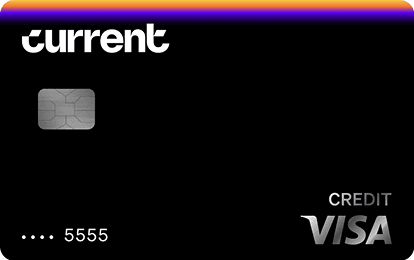
Current Build Card
Current Build Card
$0 annual fee. No minimum deposit required. No credit check required. 1 point per dollar on eligible categories. Reports to Experian, TransUnion, Equifax.
Fee
$0
APR
0%
Minimum Deposit Amount
$0
Credit Check
No
Cashback
1 point/dollar on eligible categories (with qualifying payroll deposit)
Benefit
No credit check, no deposit minimum
Ava Credit Builder Card

Ava Credit Builder Card
Ava gives you access to a suite of credit-building products including Credit Builder Card, Credit Builder Loan, and Rent Reporting. 74% of members seeing an increase in score in the first week.
Fee
$8/mo (annual) or $10/mo (monthly)
APR
0%
Minimum Deposit Amount
$0
Credit Check
No
Cashback
None
Benefit
Ava reports account activity weekly to all three major credit bureaus: Experian, Equifax, and TransUnion
Kikoff Secured Credit Card

Kikoff Secured Credit Card
Kikoff Secured Credit Card works like a debit card & checking account and performs like a credit builder. Build credit with your everyday purchases.
APR
0%
Minimum Deposit Amount
$0
Credit Check
No
Cashback
Yes
Benefit
0% interest. No credit check.
Step 2: Try a Credit Builder Loan
A credit builder loan works in reverse. You make payments into a savings account, and the lender reports those payments to the bureaus. When the loan term ends, you get your money back.
This adds an installment account to your credit mix, which helps diversify your profile. If you've been rejected for unsecured personal loans after bankruptcy, don't get discouraged — credit builder loans like the Cheers Credit Builder Loan and the Ava Credit Builder Loan offer near-guaranteed approval with minimal costs. Read our Cheers review and Ava review for comparisons. Kikoff's Credit Account is another solid option with 0% interest and your funds returned after 12 months — see our Kikoff review.
Cheers Credit Builder Loan

Cheers Credit Builder Loan
AI-powered credit builder with accelerated reporting to all 3 bureaus, designed to make credit building simple and affordable.
Loan Amount
Multiple plans (starting at $24/mo)
Term
24 months
APR
12.15% (fixed)
Admin Fee
$0
Monthly Fee
$0
Credit Check
No
Average Score Increase
95% of users with fair credit see a 20+ point increase in just 2 months
Ava Credit Builder Loan

Ava Credit Builder Loan
Ava gives you access to a suite of credit-building products including Credit Builder Card, Credit Builder Loan, and Rent Reporting. 74% of members seeing an increase in score in the first week.
Loan Amount
$300
Term
12 month
APR
0%
Admin Fee
Origination fee may apply in some states.
Monthly Fee
$8/mo (annual) or $10/mo (monthly)
Credit Check
No
Average Score Increase
74% of Ava members see a credit score improvement in less than 7 days
Kikoff Credit Account

Kikoff Credit Account
Everything you need to build your credit, right in one app. Build credit, lower debt, and unlock progress with tools that actually work.
Standout feature
An avg increase of +86 points within a year with on-time payments
Fees
$5/month for Basic plan, $20/mo for Premium plan $35/mo for Ultimate plan
Pros
Helps both payment history and credit utilization, the two factors that move scores most
Cons
Monthly fee continues for as long as you keep the account open
Step 3: Become an Authorized User
If someone you trust has a credit card with a long, positive history, ask to be added as an authorized user. Their account history can appear on your credit report and boost your score.
Step 4: Keep Utilization Below 30%
If your secured card has a $500 limit, keep your balance below $150 at all times. Lower is better. Under 10% is ideal.
Step 5: Pay Everything On Time
Payment history is 35% of your score. Set up autopay for every account (credit cards, utilities, phone bill, everything). One missed payment can set back months of progress.
Step 6: Monitor Your Credit Reports
Check your reports regularly at AnnualCreditReport.com. Look for errors. Debts that were included in the bankruptcy should show a zero balance. If they don't, dispute them.
Step 7: Be Patient With New Credit Applications
Don't apply for multiple cards at once. Each application creates a hard inquiry that temporarily lowers your score. Space applications at least 6 months apart.
Dealing With Credit Report Errors After Bankruptcy
If your credit report contains inaccurate or unfair items — such as discharged debts still showing balances — consider working with a credit repair professional. Lexington Law helps clients challenge inaccurate items on their credit reports through a lawyer-guided process — read our Lexington Law review for details. Dovly offers an AI-powered alternative that automates disputes and monitors your credit — see our Dovly review for more.
Lexington Law Firm

Lexington Law Firm
Lexington Law helps clients reach their credit score goals through lawyer-guided credit repair, working to challenge inaccurate and unfair items like late payments or collections on their credit reports.
Monthly Price
From $139.95/mo
Setup Fee
$0
Money Back Guarantee
No
Year of Founded
2004

Best Credit-Building Tools After Bankruptcy
Secured credit cards are the foundation. Cards like Self Visa® Credit Card, OpenSky, Kikoff, and Current accept applicants with recent bankruptcies.
Credit builder loans from companies like Self, Kikoff, Kovo, and Magnum by CreditStrong add installment account diversity.
Rent reporting services let your monthly rent payments count toward your credit score. Since you're already paying rent, this is free credit-building.
Credit monitoring apps help you track progress and catch errors early. Free options like Credit Karma provide VantageScore tracking. Use Creditship.ai for detailed credit monitoring and advice as you rebuild.
How Long Does Bankruptcy Stay on Your Credit Report?
- Chapter 7: 10 years from the filing date
- Chapter 13: 7 years from the filing date
After it falls off, your credit score ranges may increase, but if you've been rebuilding consistently, your score should already be healthy by then.
Common Mistakes to Avoid After Bankruptcy
Taking on too much debt too fast. After discharge, you'll receive credit offers. Resist the temptation. Start with one secured card and add slowly.
Ignoring your credit reports. Errors after bankruptcy are common. Discharged debts sometimes still show balances. Check and dispute anything inaccurate.
Closing old accounts. If you have any surviving credit accounts, keep them open. Account age helps your score.
Paying for expensive credit repair. You don't need to pay someone hundreds of dollars to rebuild. A secured card, on-time payments, and patience are all you need.
Skipping the emergency fund. Before taking on any new debt, build at least $1,000 in savings. This prevents the cycle of relying on credit for emergencies. Learn about what is credit counseling for additional guidance after bankruptcy.
Bankruptcy laws and impacts vary by state and individual situation. This article is for educational purposes only. Consult a bankruptcy attorney for personalized legal advice.
FAQ
Can I get a credit card after bankruptcy?
Yes. Secured credit cards are available to people with recent bankruptcies. Many issuers specifically serve this market. You can typically apply as soon as your bankruptcy is discharged.
How fast can I rebuild credit after bankruptcy?
With consistent effort, many people reach a 650+ score within 12-18 months and 700+ within 2-4 years. The key is starting immediately with a secured card and perfect payment history.
Will bankruptcy prevent me from buying a house?
Not permanently. FHA loans are available 2 years after Chapter 7 discharge and 1 year into Chapter 13 repayment. Conventional loans typically require a 4-year waiting period.
Should I use a credit repair company after bankruptcy?
Most people don't need one. Legitimate credit repair can help dispute errors, but the core work (building positive payment history) only you can do. Be wary of companies promising quick fixes.
Does filing bankruptcy remove all debt from my credit report?
Bankruptcy discharges the legal obligation to pay, but the accounts still appear on your report. They should show a zero balance after discharge. If they don't, dispute them with the credit bureaus.
Disclaimer: This article is for educational purposes and not financial advice.




