
Starting your teenager on the path to financial responsibility doesn't have to wait until college. A secured credit card can be a powerful teaching tool that helps teens build credit history while learning money management skills. This guide walks you through everything parents need to know about helping your teen establish credit early. For a high-school-specific roadmap that pairs authorized-user setups with starter tools, see our companion guide on how to build credit while in high school.
Age Requirements and Legal Considerations
Most credit card issuers require cardholders to be at least 18 years old. However, many banks allow younger teens (ages 13-17) to be added as authorized users on a parent's existing credit card account, which can help build their credit without them having independent access. For parents of mid-teens specifically, our targeted guide on credit card options for a 15-year-old walks through which issuers actually approve authorized users at that age and which prepaid alternatives report to the bureaus.
If your teen is 18 or older, they can apply for a secured card in their own name. Some issuers have student credit card programs with lower deposit requirements (as little as $200) specifically designed for young adults. Check with your bank to see what options they offer for teenage applicants.
Authorized User vs. Secured Card
Adding your teen as an authorized user on your account is the simplest approach for younger teens. They get a card linked to your account, can make purchases with your permission, and benefit from your credit history being reported. However, they won't be building their own independent credit. Learn more about what it means to be an authorized user and how it affects credit.
Once your teen turns 18, a secured card in their name is a better option. It gives them ownership and responsibility while building their own credit profile. Learn about building credit as a teenager and explore credit card options for minors.

Teaching Responsible Use
Before handing over a card, have a conversation about responsible credit use. Explain that a credit card isn't free money. Every purchase must be paid back. Set clear expectations about what the card can be used for (groceries, gas, modest purchases) and what's off-limits.
Start small with a low credit limit (under $500) so the financial stakes are manageable. Make it a learning experience by reviewing statements together monthly and discussing each purchase. This builds awareness and accountability before they head off to college or independence.
Once your teen turns 18, the Self Visa Credit Card is a practical first card for someone starting from scratch, since it pairs a Credit Builder Account with a secured card and reports activity to all three bureaus. There is no hard credit check to get started, which makes it a low-pressure way for a young adult to build a payment history they actually own.

Monitoring Tools and Best Practices
Most card issuers offer parent monitoring tools that let you see transactions in real-time through a mobile app or online portal. Use these tools to stay informed without micromanaging. This transparency helps you spot problems early and teaches your teen that spending is tracked.
Set a rule that the full balance must be paid each month. This prevents interest charges and teaches the importance of living within one's means. Many experts recommend starting with a debit card or prepaid card first, then graduating to a secured credit card once your teen demonstrates responsible spending habits.
Another beginner-friendly option for a teen or young adult with no credit history is the Current Build Card. It works without a traditional credit check and is designed to help new users build credit from scratch through everyday spending, which makes it easy for a parent and teen to monitor habits together while a real credit profile starts to form.
Current Build Card
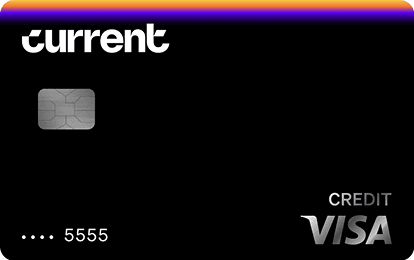
Current Build Card
$0 annual fee. No minimum deposit required. No credit check required. 1 point per dollar on eligible categories. Reports to Experian, TransUnion, Equifax.
Fee
$0
APR
0%
Minimum Deposit Amount
$0
Credit Check
No
Cashback
1 point/dollar on eligible categories (with qualifying payroll deposit)
Benefit
No credit check, no deposit minimum
Best Secured Cards for Teen Beginners
Look for cards with low deposit requirements ($200-$500), no or low annual fees, and strong reporting to all three credit bureaus. Some issuers offer specific student or teen programs with educational resources included. Research cards from major banks and credit unions to compare features.
Priority should be cards that graduate to unsecured accounts after 6-12 months of on-time payments. This gives your teen a clear goal and shows them that responsible credit use pays off. Avoid cards with high fees, as these can outweigh the credit-building benefits.
Frequently Asked Questions
At what age can my child start building credit?
Children can be added as authorized users on a parent's credit card as young as 13 at some issuers, though policies vary. To get their own card, they must be at least 18. Adding them as an authorized user early lets them build credit history before they turn 18.
Will my teen's spending affect my credit score?
If your teen is an authorized user on your account, yes—their spending counts toward your utilization ratio. Set spending limits and monitor usage closely. With a secured card in their own name, their activity only affects their own credit.
How much should my teen's credit limit be?
Start with the minimum deposit (usually $200-$300). A lower limit reduces risk while still building credit. Your teen only needs to use 10-30% of the limit each month to build credit effectively.
What if my teenager misses a payment?
A missed payment can hurt their credit score and may result in late fees. Set up autopay for the minimum payment as a safety net, and review the statement together each month to ensure the full balance is paid on time.
Can a secured card help with college financial aid?
Credit scores aren't used in financial aid decisions, but building credit early helps after college. Good credit means better rates on car loans, apartments, and eventually mortgages—expenses your child will face soon after graduating.
Getting your teenager started with a secured credit card is a gift that keeps giving. Early credit-building sets them up for better interest rates on car loans, apartments, and mortgages down the road. The financial habits they develop now will shape their financial future for decades. Start with open conversations about money, monitor their activity, and celebrate their milestones. With your guidance and the right tools, your teen can build a strong credit foundation—and Firstcard is here to support you both along the way.




