
Two Cards That Look the Same
At checkout, a secured card and a prepaid card feel identical. You swipe, tap, or dip the plastic, and the payment goes through. Under the hood, the products solve different problems. The secured credit card vs prepaid choice matters because only one builds credit.
This guide walks through how each works, where the money comes from, what lands on your credit report, and when to use each tool. It also covers FDIC protection and fee traps to watch for. If a prepaid card is part of a broader plan to live entirely without a credit card, our companion guide on how to survive financially without a credit card covers the budgeting, rent, and emergency-fund habits that make that workable long-term.
How a Secured Credit Card Works
A secured credit card is a real credit card that requires a refundable security deposit. Your deposit typically equals your credit limit, so a $300 deposit gives you a $300 line. For a deeper walkthrough of how the deposit, credit limit, and bureau reporting actually translate into score growth, see our explainer on what is a secure credit card and how secured cards build credit.
Credit reporting
Secured cards report to all three major credit bureaus each month. That means on-time payments, balances, and credit limits feed your FICO and VantageScore records. The reporting is what builds or rebuilds your score.
Using credit, not cash
When you swipe, you borrow from the issuer up to your limit. You receive a monthly statement, pay at least the minimum, and interest accrues on any balance carried over. Your deposit stays in a locked account as collateral.
OpenSky offers a secured Visa with no credit check to apply, which makes it popular with people starting from scratch or rebuilding after a setback. Terms and conditions apply, and APRs vary by creditworthiness.

If you want a secured card that also builds installment history, the Self Visa Credit Card pairs a secured card with a credit-builder loan. Both tradelines report to the bureaus, so you build revolving and installment history at the same time, which a prepaid card simply cannot do. Terms and conditions apply, and approval depends on the issuer's review.

If a prepaid card appeals to you because it caps spending to money you already have, the Current Build Card offers a similar feel while still building credit. You spend from your own balance, but those payments are reported as credit activity, so you get the discipline of prepaid with the score growth of a credit product.
Current Build Card
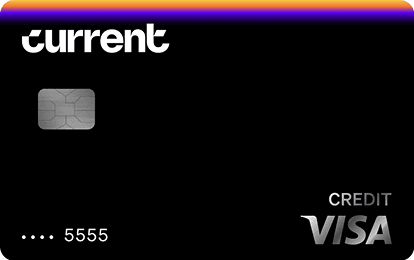
Current Build Card
$0 annual fee. No minimum deposit required. No credit check required. 1 point per dollar on eligible categories. Reports to Experian, TransUnion, Equifax.
Fee
$0
APR
0%
Minimum Deposit Amount
$0
Credit Check
No
Cashback
1 point/dollar on eligible categories (with qualifying payroll deposit)
Benefit
No credit check, no deposit minimum
How a Prepaid Card Works
A prepaid card is not credit at all. You load your own funds onto the card, then spend down that balance. There is no loan, no billing cycle, and no interest.
No credit report
Prepaid cards do not report to the credit bureaus. Your activity never affects your FICO or VantageScore. That is the single most important difference in the secured credit card vs prepaid decision.
Load and reload
You can load a prepaid card through direct deposit, bank transfer, retail cash-reload networks, or mobile check capture. Once the balance is zero, the card stops working until you add more money.
Prepaid cards are sometimes sold alongside checking-style features like bill pay and mobile wallets. Those conveniences are real, but they do not change the credit reporting picture. Prepaid cards also struggle at many online checkpoints — if you ever need a credit card for online verification, our guide explains which prepaid and virtual options reliably pass the $1 auth and which get rejected by streaming services, rideshare apps, and marketplaces.
Side-by-Side Differences
- Funding: secured card uses a refundable deposit as collateral; prepaid card uses money you load
- Credit reporting: secured card reports to the bureaus; prepaid card does not
- Credit check: secured cards may do a soft or hard pull; prepaid cards do not check credit
- Interest: secured cards accrue interest on carried balances; prepaid cards have no interest
- Fees: secured cards may charge annual fees; prepaid cards often charge monthly or reload fees
- FDIC protection: deposits for both are typically held at FDIC-insured banks
The bottom line is that a secured card is a training wheels credit card, while a prepaid card is a reloadable spending tool.
FDIC Protection and Safety
Most secured card deposits sit in an FDIC-insured partner bank, which means your collateral is protected up to $250,000 if the bank fails. Prepaid card balances are often held in pooled FDIC-insured accounts as well, though the coverage can depend on whether the issuer passes through the protection to each cardholder.
Check the cardholder agreement for clear FDIC language. If a product does not explain how your money is held, that is a red flag.
Both card types are covered by federal consumer protection rules, but the specific rights differ. Credit cards fall under the Fair Credit Billing Act and the Truth in Lending Act, which offer strong fraud liability protections. Prepaid cards fall under Regulation E, which covers electronic transfers but with a slightly different dispute process.
When to Use a Secured Card
A secured card is the right tool when you want to build or rebuild credit, and the full set of secured card benefits — from easier approval to a refundable deposit and a graduation path — is what makes it such a reliable starting point.
You have no credit history
Secured cards are one of the easiest first credit products. They accept applicants with no file, report activity to the bureaus, and often graduate to unsecured cards after six to twelve months of on-time payments.
You are recovering from past damage
After a bankruptcy, charge-off, or long period of bad marks, a secured card gives you a clean positive tradeline. Many issuers approve applicants with scores in the 500s because the deposit reduces their risk.
You want to build on your terms
You control the deposit amount, which controls your credit limit. Start small, pay in full, and watch your score climb.
When to Use a Prepaid Card
A prepaid card is the right tool when you want spending control without credit.
You do not want to borrow
If you are rebuilding financial habits and avoiding debt completely, a prepaid card matches that plan. You can only spend what you load, which makes overspending harder.
You need a card for someone else
Prepaid cards work well for teens, travel companions, or gig workers who need a card tied to a fixed budget. You control the load amount.
You are unbanked or underbanked
Prepaid cards can replace many functions of a checking account, including direct deposit and bill pay. They do not build credit, but they do provide electronic payment access.
Related Reading
- Joint Credit Card vs. Authorized
- Credit Repair vs. Credit Counseling
- Credit Report vs Credit Score
- Credit Builder Loan vs Secured
Frequently Asked Questions
In a secured credit card vs prepaid comparison, which one builds credit?
Only a secured credit card builds credit. Secured cards report your activity to the three major bureaus each month, while prepaid cards do not report at all. If credit growth is your goal, pick a secured product.
Can I get my deposit back from a secured card?
Yes. Your deposit is refundable when you close the account in good standing or when the issuer graduates you to an unsecured card. Pay your balance in full first so the issuer can return the full deposit.
Are prepaid cards safer than secured cards?
Both are safe when issued by reputable providers with FDIC-insured partner banks. Secured cards actually carry stronger fraud protections under credit card law. Read each cardholder agreement so you know your rights.
Do secured cards cost more than prepaid cards?
It depends on the product. Secured cards can charge annual fees and interest on carried balances. Prepaid cards often charge monthly fees, reload fees, and ATM fees. Compare total annual cost, not headline price. APRs vary by creditworthiness, and terms and conditions apply.



