What Do You Need to Open a Checking Account?
Wondering what you need to open a checking account in 2026? The full list is shorter than most people expect: a government-issued ID, your Social Security number or ITIN, proof of address, contact info, and (sometimes) a small opening deposit. Whether you open the account online or at a branch, the bank uses these items to satisfy federal Know Your Customer (KYC) rules required by the Patriot Act.
The Full Checklist
1. Government-issued photo ID
Acceptable forms:
- U.S. driver's license or state ID
- U.S. passport or passport card
- Permanent resident card (green card)
- Military ID
- Foreign passport (for some banks, paired with an ITIN or visa)
The ID must be unexpired. If you're a non-citizen, the bank will check the document against immigration records.
2. Social Security number or ITIN
U.S. citizens and permanent residents provide an SSN. Non-residents and immigrants without an SSN can use an Individual Taxpayer Identification Number (ITIN). Most major online banks accept ITINs.
A few fintech-first products are designed for users without an SSN at all — useful for newcomers and international students.
3. Proof of U.S. address
A utility bill, lease, mortgage statement, or government-issued mail dated within the last 60 days. Some banks accept the photo of the address on your driver's license as sufficient.
4. Date of birth
You must be 18+ to open a standard checking account in your own name in most states. Minors need a custodial joint account with a parent or guardian.
5. Opening deposit
Many online checking accounts have a $0 opening deposit. Brick-and-mortar banks typically require $25 to $100. The deposit can come from a debit card, wire transfer, ACH transfer, or a cashier's check.
Current Build Card
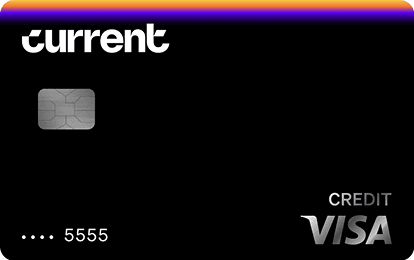
Current Build Card
$0 annual fee. No minimum deposit required. No credit check required. 1 point per dollar on eligible categories. Reports to Experian, TransUnion, Equifax.
Fee
$0
APR
0%
Minimum Deposit Amount
$0
Credit Check
No
Cashback
1 point/dollar on eligible categories (with qualifying payroll deposit)
Benefit
No credit check, no deposit minimum
6. Phone number and email
For account verification, two-factor authentication, and statement delivery.
7. Funding source
The routing and account numbers of an existing bank account, OR a debit card, OR a check. Used to make the opening deposit. To avoid surprise costs after opening, look for an account with no monthly service fee.
If you want a checking account that checks all of these boxes with no surprise costs, Current Banking is a mobile-first account with no monthly fee, no minimum balance, up to 4.00% APY with a qualifying $200 direct deposit, paychecks up to 2 days early, and fee-free overdraft up to $200. You can open it in minutes from your phone using an ID and SSN or ITIN.
Documents for Specific Situations
- International students — ITIN or SSN, passport, I-20 form, U.S. school address. Some banks (Chase College Checking, etc.) explicitly serve students.
- No SSN — ITIN-friendly fintech accounts work. The Current Build Card ecosystem and similar products are designed to work without an SSN, using an ITIN or alternative ID.
- Joint account — every owner provides ID, SSN/ITIN, and proof of address. Marriage certificates are not required.
- Business account — EIN, LLC operating agreement or articles of incorporation, plus all owners' personal IDs.
- Banking-history flag — if you've had a previous account closed for cause, ChexSystems may flag your application. Look for second-chance checking accounts.
Another fee-free option worth comparing is Chime, which offers no monthly fees, early direct deposit, fee-free overdraft up to $200 through SpotMe, and 3.75% APY on its savings account. Like other fintech accounts, it can be opened online with an ID and SSN or ITIN.
Chime
Chime
- Fee-free banking plus early pay access (up to 2 days early with direct deposit)¹ - Overdraft up to $200 without fees for eligible members¹ - 5% cash back on category of choice (with qualifying direct deposit)¹ - 3.75% APY on your savings¹
Standout feature
No credit check, no interest, no annual fee, and no minimum deposit required.
Fees
$0
Pros
Fee-Free Banking and Get paid up to 2 days early
Cons
App/online-only support, no branches
How the Application Works
- Visit the bank's website or open the app and tap "Open an account."
- Choose Personal Checking (or Joint Checking, Business Checking, etc.).
- Enter your personal info and ID details.
- Upload a photo of your ID if requested.
- Verify your phone and email via code.
- Agree to the terms and disclosure consent.
- Fund the account.
Most online approvals are instant. If the bank can't auto-verify your ID, you may need to upload an additional document or wait 1–2 business days for manual review. Right after opening, set up direct deposit so the account starts pulling income on day one.
Building Credit Alongside Your Checking Account
A checking account doesn't build credit on its own — banks don't report deposits to the credit bureaus. To start a credit file, pair your checking account with a credit-builder product like the Self.Inc Credit Builder Account, the Self Visa® Credit Card, or the Kikoff Secured Credit Card. Direct deposit into your checking account often unlocks better credit-builder terms.
Frequently Asked Questions
Can I open a checking account without an SSN?
Yes. Most online banks and fintech apps accept an ITIN (Individual Taxpayer Identification Number) in place of an SSN. A few fintech-first products are designed to work for users with neither.
Do I need a credit check to open a checking account?
No, banks do not run a hard credit pull when you open a checking account. They run a ChexSystems check, which is a banking-history report (separate from credit), to confirm you don't have a record of unpaid overdrafts or fraud at other banks.
How much money do I need to open a checking account?
Many online checking accounts have a $0 minimum opening deposit. Traditional brick-and-mortar banks typically require $25 to $100. Premium checking accounts may require $1,000 or more.
Can I open a checking account online?
Yes. Almost every major U.S. bank and fintech app supports online account opening. The process takes 5 to 10 minutes; approval is usually instant or within 1–2 business days.
Related Reading
- Checking Account: How It Works and How to Choose One
- Free Checking Account: What 'Free' Actually Means in 2026
- What Is a Bank Account? Types, Features, and How to Pick One