
What if you could borrow someone else's credit history to boost your own score, without applying for a new account or paying a fee? That is the basic idea behind piggybacking, a strategy where a primary cardholder adds you as an authorized user on their credit card. The account's age, credit limit, and payment history can flow onto your credit report and lift your score, sometimes by 30 to 100 points within one to two billing cycles. The catch is that piggybacking only works under certain conditions, and modern scoring models have started filtering out non-related authorized user accounts. Here is how to use the strategy effectively.
How Piggybacking Actually Works
When a primary cardholder adds you as an authorized user, the issuer typically reports the entire account history to your credit report. That means a card that has been open for ten years with perfect payment history and a $20,000 limit may suddenly appear on your file as if it were yours. Your average age of accounts jumps, your total available credit grows, and your utilization ratio drops, all of which can lift your score quickly.
You do not need to actually use the card or even hold a physical copy of it. The account is reported under your Social Security number once the issuer processes the addition. Most major issuers, including American Express, Chase, Bank of America, and Discover, report authorized user accounts to all three bureaus, though policies vary. To build your own foundation alongside an authorized user spot, the Self Visa Credit Card lets you establish independent payment history that you fully control. Terms apply.

Who Should Add You and Who Should Not
The primary cardholder needs three things for piggybacking to help you. First, the account must be in good standing with no missed payments. Second, utilization on the card should be under 30 percent, ideally under 10 percent, because high utilization will drag your score down instead of up. Third, the account should be older than your other accounts so it lifts your average age.
A parent, spouse, or sibling with a strong credit profile is the most common candidate. If the primary's card has any negative marks, missed payments, charge-offs, or maxed-out balances, those will also appear on your credit report and can hurt your score. Confirm the account history before you accept the add, and make sure the primary will tell you if their behavior on the card changes.
When Scoring Models Filter Out Authorized User Accounts
FICO and VantageScore have both adjusted their algorithms to detect what they call tradeline rental, the practice of paying strangers to add you as an authorized user. FICO 8, the most widely used model, still counts authorized user accounts but applies less weight when the relationship looks suspicious. FICO 9 and FICO 10 weight authorized user accounts even less, and some custom lender models filter them out entirely.
The practical takeaway is that piggybacking works best when you and the primary share a household or family relationship. A spouse adding you, a parent adding a college-age child, or siblings adding each other all look natural to scoring models. Buying a tradeline from a stranger online may or may not show up in your score, and lenders who manually review files often discount these accounts when making approval decisions. The Self Visa Credit Card plus a real authorized user spot from a trusted family member is a stronger combination than either alone.
Pros and Cons of the Strategy
The main benefit is speed. Authorized user accounts typically report within 30 to 60 days of being added, so a thin file can become a thick one in a single billing cycle. There is no application, no hard inquiry, and no fee from the issuer. For someone trying to qualify for a mortgage or auto loan in the next six months, this can be the fastest way to add length and depth to a credit file.
The downsides include the risk that the primary mismanages the card, which damages your score along with theirs. You also have no control over the account, you cannot dispute charges, change the credit limit, or remove yourself instantly without coordination. Some lenders see authorized user tradelines as less meaningful than independent accounts and may not give them full weight when underwriting. Treat piggybacking as a supplement, not a substitute, for building your own credit.
Because lenders give the most weight to accounts in your own name, pairing a piggyback spot with a card you control strengthens your file. The Current Build Card is a secured card built for credit building that reports your activity to the bureaus, so your own on-time history grows right alongside the inherited tradeline. It is a practical way to make sure your score has an independent foundation that no one else can disrupt.
Current Build Card
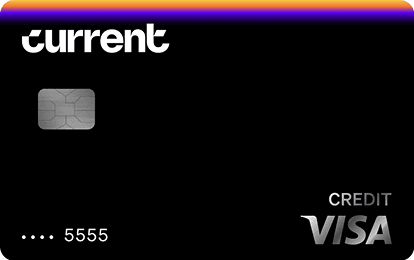
Current Build Card
$0 annual fee. No minimum deposit required. No credit check required. 1 point per dollar on eligible categories. Reports to Experian, TransUnion, Equifax.
Fee
$0
APR
0%
Minimum Deposit Amount
$0
Credit Check
No
Cashback
1 point/dollar on eligible categories (with qualifying payroll deposit)
Benefit
No credit check, no deposit minimum
How to Set It Up Step by Step
First, identify a primary cardholder with a long-standing account, low utilization, and clean payment history. A spouse or parent is typically the easiest ask. Have the primary call their card issuer or log into their account online and add you as an authorized user under your full legal name and Social Security number. Most issuers process the addition within one to two business days.
Next, watch your credit report for the new account to appear, usually within 30 to 60 days. Pull your reports from all three bureaus to confirm it is showing on each. If it does not appear after 60 days, ask the primary to confirm with the issuer that the account is being reported under your information. Some issuers report only when the authorized user is over 18, so check the rules for the specific card.
Removing Yourself if Things Go Wrong
If the primary cardholder starts missing payments or running up high balances, the negative activity will hit your credit too. The primary can remove you with a single call to the issuer, and the account will typically drop off your report within 30 days. Some issuers will retroactively delete the tradeline, which removes its history from your file entirely.
If you cannot reach the primary, you can also dispute the account directly with the credit bureaus, asking them to remove an account you do not own. The bureaus will verify with the issuer and remove the tradeline if you are no longer listed as an authorized user. This safety valve makes piggybacking a low-risk strategy when you have an exit plan in place.
If a piggyback arrangement falls apart, having your own active card means your credit-building does not stall. The Chime Credit Builder secured card has no annual fee and no minimum security deposit to open, and it reports your payments to all three bureaus as you spend. For anyone who wants a backstop account that stays under their control, it is a low-friction way to keep building independently.
Chime Card™
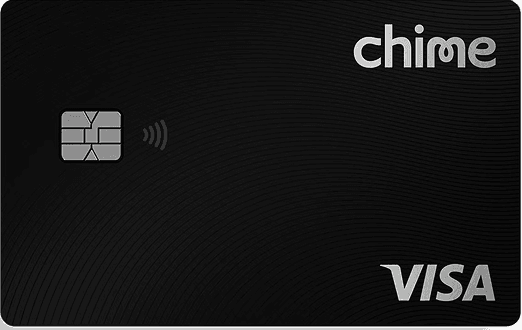
Chime Card™
Chime Card™ is Chime's secured credit card and has the reliable Chime credit-building features plus 5% cash back rewards on category of choice (with qualifying direct deposit) and access to cash at ATMs.¹
Fee
$0
APR
No interest
Minimum Deposit Amount
$0
Credit Check
No
Cashback
5% cash back rewards on category of choice (with qualifying direct deposit)
Benefit
Overdraft up to $200 without fees for eligible members.
Related Reading
- adding an authorized user
- authorized user for minors
- remove authorized user
- joint vs authorized user
- build credit fast
Frequently Asked Questions
How much can my score go up from piggybacking?
Gains vary widely depending on how thin your starting file is and how strong the new account is. Someone with no credit history may see a jump of 50 to 100 points after a quality tradeline reports. Someone with an established file may see only 10 to 30 points, since the new account is a smaller share of their overall profile.
Will being an authorized user hurt the primary cardholder?
No, adding an authorized user does not affect the primary's credit score in any direct way. The primary remains responsible for all charges, and the authorized user typically cannot make changes to the account. The only risk to the primary is if they let the authorized user spend on the card and that user fails to repay them.
Do all credit cards report authorized users to the bureaus?
Most major issuers do, including American Express, Chase, Bank of America, Discover, and Capital One. Some smaller credit unions and store cards do not report authorized users at all, which means adding you would have no credit-building effect. Confirm the issuer's reporting policy before relying on a piggyback strategy.
Is paying for a tradeline legal?
Yes, paying to be added as an authorized user is legal, but it is risky. The companies offering this service often charge several hundred dollars per tradeline, and modern scoring models may discount or filter the account. Lenders who detect the practice during manual underwriting may also reject the application, so the cost may not produce the expected benefit.




