Every year, workers around the world send hundreds of billions of dollars back home to family. The World Bank tracked over $860 billion in cross-border money flows in 2024. Most of that movement is a single type of transaction called a remittance.
If you have ever wired money to a parent in the Philippines, helped pay a sibling's tuition in Mexico, or covered a medical bill for grandparents in Nigeria, you have already sent a remittance. Here is what the word actually means and how to send and receive money the smart way.
What a Remittance Actually Is
A remittance is a payment of money sent from one person to another, usually across a border. The most common case is a worker in a higher-income country sending money to family in a lower-income country.
There are two main types.
- Personal remittance: One person sending money to another, usually for family support, school fees, healthcare, or housing.
- Commercial remittance: A business paying invoices, salaries, or contractors abroad.
This guide focuses on personal remittances, which make up the majority of cross-border flows.
How a Remittance Moves from Sender to Receiver
A remittance follows a simple path even when it crosses oceans.
- The sender funds the transfer. This can be a bank account, a debit card, a credit card, or even cash at a physical agent location.
- The provider converts the currency. Apps like Wise, Remitly, Western Union, or MoneyGram apply an exchange rate and a fee.
- The money lands at the destination. The receiver picks it up at an agent, gets it deposited to a bank, or receives it on a mobile wallet like M-Pesa or GCash.
Most transfers using modern apps land within minutes when funded by debit card. Bank-funded transfers can take 1 to 3 business days.
How Much Do Remittances Cost
Fees and exchange-rate markups are the two costs that matter. The combined cost for a typical $200 transfer ranges from 3% to 8%, depending on the corridor and the provider.
A simple cost stack looks like this.
- Fixed sending fee: $0 to $5 for app-based transfers, $5 to $15 for cash pickup
- Exchange-rate markup: 0.4% to 4% above the mid-market rate
- Receiver-side fees: Some banks charge to receive a wire, usually $5 to $25
Apps like Wise and Remitly often beat traditional providers by using close-to-mid-market exchange rates. Western Union and MoneyGram still lead for cash pickup at physical agent locations in remote areas. For a deeper dive on cost, see the cheapest way to send money internationally.
If you send money often, even a 2% fee adds up. Keeping a Self Visa® Credit Card to handle US bills, while sending only the bare amount through a remittance app, helps you avoid stacking multiple fees.
Top Apps for Sending a Remittance in 2026
A few players dominate the space.
- Wise: Low transparent fees and the mid-market rate for over 70 currencies
- Remitly: Strong for Latin America, the Philippines, and India with both express and economy options
- Western Union: Largest cash pickup network, useful for remote areas
- MoneyGram: Big agent network and mobile wallet integrations in Africa
- Xoom: PayPal-owned, strong in Latin America and Asia
Which app wins depends on the corridor. For Mexico from the US, Remitly and Wise are usually cheapest. See our pick for the best app to send money to Mexico for the head-to-head numbers. For sending cash to a small town in West Africa, Western Union or MoneyGram still has the widest reach.
When the receiver has no bank account, cash pickup is still the most reliable option, and two networks dominate it. Western Union lets you send cash for pickup without the recipient needing a bank account, and Western Union reaches most countries. MoneyGram is a second strong option, and MoneyGram waives the fee on many first online sends, so it is worth pricing both before you commit to a corridor.


What Senders Need to Send a Remittance
Most apps require:
- A government-issued ID, like a passport or driver's license
- A funding source, like a US bank account or debit card
- The receiver's full name and identification details
- The destination country and pickup or deposit method
New senders can also be asked for a Social Security number for compliance checks. International students or new arrivals without an SSN can use products like the Current Build Card to fund transfers, since the underlying account opens without an SSN. Newcomers without a US credit history can also look at our list of the best credit cards for new immigrants.
Current Build Card
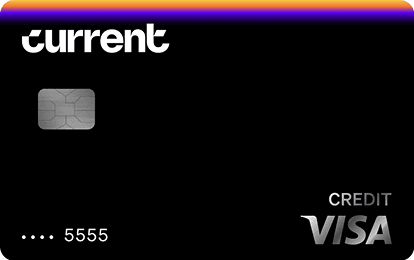
Current Build Card
$0 annual fee. No minimum deposit required. No credit check required. 1 point per dollar on eligible categories. Reports to Experian, TransUnion, Equifax.
Fee
$0
APR
0%
Minimum Deposit Amount
$0
Credit Check
No
Cashback
1 point/dollar on eligible categories (with qualifying payroll deposit)
Benefit
No credit check, no deposit minimum
If a sending app or bank insists on a taxpayer ID and you do not have a Social Security number, TheITIN.com helps you apply for an Individual Taxpayer Identification Number, and TheITIN.com prepares and files the IRS forms so you can clear identity and compliance checks. Many remittance senders use an ITIN as their permanent identifier, which keeps your transfers from getting flagged or held.
TheITIN.com

TheITIN.com
No SSN? No problem. TheITIN.com makes getting your U.S. tax ID (ITIN) fast and painless — 100% online. Perfect for people who need to start building credit, file taxes, or open bank accounts in America.
Standout feature
100% online ITIN application. No hidden fees. Trusted by thousands with 4.8★ on Trustpilot.
Fees
Starting at $497
Pros
Fast, fully online process. Highly rated customer support (4.8★ Trustpilot). Transparent pricing with no hidden fees.
Cons
Processing time depends on IRS (can take up to 14 weeks).
While you grow roots in the US, building a credit history helps with everything from apartment rentals to phone plans. The Self Visa® Credit Card and Kikoff Secured Credit Card report to all three bureaus and are easy to start.
What Receivers Should Know
Receivers usually need a valid ID and a transfer reference number to claim cash at an agent. For bank deposits, the receiver needs an account in the local currency. Some apps deliver directly to mobile wallets like M-Pesa, bKash, or GCash, which are great in countries where bank accounts are less common.
Receivers should also confirm the local tax rules. In most cases, family remittances are not taxed as income, but large or business transfers can trigger reporting requirements.
Tips to Get the Most Out of Every Transfer
- Compare at least two apps before sending. The cheapest option changes by corridor and even by time of week.
- Send larger amounts less often. Many apps charge a fixed fee, so sending $1,000 once is cheaper than sending $200 five times.
- Use bank funding when you can. Debit card funding is faster but often costs an extra 1% to 2%.
- Track exchange rates. A small move can save more than the sending fee.
- Track the family budget. Tools like Monarch Money help senders see how much is going abroad each month.
Final Take
A remittance is just money moving across a border, but it is also the lifeline for millions of families. Knowing how the system works, what each provider charges, and what tools you can pair with it helps you keep more of your hard-earned cash where it matters most.
Frequently Asked Questions
Are remittances taxed in the United States?
Personal remittances sent to family abroad are not taxed as income for the sender. The sender pays with after-tax money, and the IRS does not tax personal gifts up to the annual gift tax exclusion, which is $19,000 in 2026.
What is the cheapest way to send a remittance?
App-based providers like Wise and Remitly usually beat banks and traditional cash transfer services on cost. Bank funding plus a low-fee app for the corridor you need is the cheapest combination for most senders.
How long does a remittance take to arrive?
Most app-based transfers funded by debit card land within minutes. Bank-funded transfers usually take 1 to 3 business days, and cash pickup is often available the same day.
Can I send a remittance without a US bank account?
Yes. Some apps accept debit card funding from a prepaid card or fintech account. The Current Build Card is a good option for new arrivals who do not yet have a traditional bank account.

The Firstcard team writes simple, research-backed guides on credit, cards, and credit building. Firstcard has been helping people build credit and save money since 2020. Full profile and latest articles →