A secure credit card, more commonly called a secured credit card, is a real credit card backed by a refundable cash deposit. It looks and acts like a regular Visa or Mastercard, but the deposit reduces the issuer's risk and lets people with no or low credit qualify.
This guide covers how secured cards work, how the deposit becomes your credit limit, the best secured cards for 2026, and how to graduate to an unsecured card.
How a Secure Credit Card Works
When you open a secured card, you deposit cash with the issuer (often $100 to $500). That deposit becomes your credit limit. You spend, pay your bill, and the issuer reports your activity to all three credit bureaus, just like a normal credit card.
If you fail to pay, the issuer keeps the deposit. If you close the card with a zero balance, you get the deposit back. For a deeper look at how the secured credit card deposit works behind the scenes, see our explainer.
Why Use a Secured Card
Secured cards solve the chicken-and-egg problem of credit:
- You need a credit history to qualify for a card.
- You need a card to build credit history.
A secured card breaks the loop. The deposit reassures the issuer, so even applicants with no FICO score can get approved. There are real secured card benefits beyond just qualifying — fixed limits, predictable fees, and a clear graduation path.
Common Secured Card Features
Most secured cards share:
- Refundable deposit between $100 and $500.
- Reporting to all three credit bureaus monthly.
- A path to graduate to an unsecured card after 6 to 12 months of on-time payments.
- An APR around 22% to 28% (no different from a starter unsecured card).
A $300 deposit translates to a $300 credit limit. Keep your statement balance under $30 (under 10% utilization) and your payment history will start to lift your score within 3 to 6 months.
Best Secured Credit Cards in 2026
Top picks if you are starting from scratch:
- Self Visa: pairs with a credit builder loan, no credit check, deposit funded over time.
- OpenSky: no credit check, deposit as low as $200, reports to all three bureaus.
- Kikoff Secured Credit Card: low deposit, integrated with Kikoff's credit builder ecosystem.
- Current Build Card: no SSN required to start, hybrid debit-style card that reports to bureaus.
Each has trade-offs around fees, deposit funding flexibility, and graduation path. Some shoppers also weigh a credit builder loan vs secured card — they look similar but report differently to the bureaus.

Kikoff Credit Account

Kikoff Credit Account
Everything you need to build your credit, right in one app. Build credit, lower debt, and unlock progress with tools that actually work.
Standout feature
An avg increase of +86 points within a year with on-time payments
Fees
$5/month for Basic plan, $20/mo for Premium plan $35/mo for Ultimate plan
Pros
Helps both payment history and credit utilization, the two factors that move scores most
Cons
Monthly fee continues for as long as you keep the account open
Current Build Card
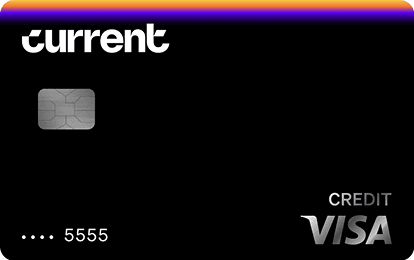
Current Build Card
$0 annual fee. No minimum deposit required. No credit check required. 1 point per dollar on eligible categories. Reports to Experian, TransUnion, Equifax.
Fee
$0
APR
0%
Minimum Deposit Amount
$0
Credit Check
No
Cashback
1 point/dollar on eligible categories (with qualifying payroll deposit)
Benefit
No credit check, no deposit minimum
How to Use a Secured Card to Build Credit
The fastest path:
- Open one secured card.
- Use it for one or two recurring small charges (Netflix, gas).
- Pay the full statement balance every month, on time.
- Keep utilization under 10% (if your limit is $300, never carry more than $30 across the statement close).
- After 6 to 12 months, request a graduation to an unsecured card or apply for a starter unsecured card with another issuer.
Secured vs Unsecured Cards
- Secured: requires a deposit, easier to qualify, lower limits.
- Unsecured: no deposit, requires established credit, higher limits possible.
Both report to the credit bureaus the same way and build credit at the same speed when used responsibly. Knowing when to switch from secured to unsecured can free up your deposit and unlock a higher limit.
Pairing a Secured Card With Other Tools
A secured card on its own is enough to start a credit file. Adding a credit builder loan (like Self) or rent reporting can speed up the file's depth without adding another hard inquiry.
If you want a structured plan, Firstcard's credit builder card includes the secured-card mechanics plus reporting and educational tools designed for first-time builders.
A Solid Bank Account Behind Your Secured Card
A secured card builds credit; the bank account behind it builds the cash you'll use to pay it. Pick a checking account with no monthly fee, no minimum balance, and a strong yield so your buffer keeps growing.
Current is a fintech offering 4.00% APY (with $200 qualifying direct deposit), paychecks up to 2 days early, and $200 of fee-free overdraft — useful when you want to autopay a secured card without worrying about a $35 fee.
Current Banking

Current Banking
Current is a mobile-first banking app with no monthly fee and no minimum balance. Members can earn up to 4.00% APY with a qualifying direct deposit of $200, receive direct-deposit paychecks up to 2 days early, and overdraft up to $200 fee-free.
Standout feature
4.00% APY on Savings Pods (with a $200+ qualifying direct deposit) plus paycheck up to 2 days early — both included on the standard account for free
Fees
Free
Pros
$0 monthly fee; up to 4.00% APY on Savings Pods with qualifying direct deposit; paycheck up to 2 days early;
Cons
No physical branches
Frequently Asked Questions
Do secured credit cards build credit fast?
Most users see a credit score in 3 to 6 months and meaningful score growth in 6 to 12 months of on-time payments. Real progress depends on having no missed payments and keeping utilization low.
Can I get my deposit back?
Yes, when you close the account in good standing or graduate to an unsecured version. The issuer typically returns the deposit by check or ACH within a few weeks.
How much should I deposit on a secured card?
Pick a deposit you can afford and that gives you a meaningful credit limit. $200 to $500 is typical for first-time builders, though some cards allow as low as $100.
Can I have more than one secured card?
Yes. Many credit builders use 2 secured cards in their first year. Just be careful about hard inquiries (multiple applications in a short window can ding your score) and overall utilization across cards.
Do secured cards charge interest?
Yes, if you carry a balance. APR ranges from 22% to 28% on most secured cards. Pay the full statement balance each month and you owe zero interest, no matter how high the APR is.