Zip Pay, originally branded Quadpay in the U.S., is a Buy Now Pay Later service that splits purchases into four equal payments due every two weeks. It's been around in the U.S. since 2017 and has roughly 6 million active users globally. Here's a clear-eyed review based on the current app experience, fee structure, and what Zip Pay does and doesn't do for your finances. (For a deeper look at the bigger BNPL alternative, see our Affirm review.)
Bottom Line
Zip Pay is fine for occasional use if you can pay every installment on time and you don't mind the $1 to $7.50 "installment fee" that Zip charges per order. It's slower than competitors like Affirm at growing your spending limit, and it doesn't help your credit score. If your goal is to spread payments without paying interest, it works. If your goal is to build credit, look elsewhere.
How Zip Pay Works
You enter the amount you want to spend in the Zip app, get an approval (usually within seconds), and Zip generates a one-time virtual Visa card you use at checkout. You pay 25% of the order amount upfront, then the remaining three installments are auto-debited from your linked bank or debit card every two weeks.
Zip works at any merchant that accepts Visa, which is its biggest advantage over Affirm and Afterpay. Walmart, Target, gas stations, almost anywhere physical or online.
If the per-order fee is what turns you off Zip, Sezzle is the cleaner pure-installment option. Sezzle splits a purchase into four interest-free payments over six weeks with no surcharge when you pay on schedule, so the math stays simple. It is the BNPL app we point most budget-stretching shoppers to when they just want to spread a cost without interest.
Sezzle

Sezzle
Flexible payments made simple. Shop now, pay later with zero interest options, smart budgeting tools, and a seamless checkout experience.
Standout feature
0% interest on Pay-in-4 when paid on time
Fees
Free
Pros
Sezzle Up reports on-time payments to all major US bureaus
Cons
Late fee of up to $16.95 per missed installment
Pricing and Fees
Here's where Zip Pay gets a little fuzzy. Unlike Klarna's flat-fee model or Affirm's APR-based loans, Zip charges a per-installment fee.
- Installment fee per order: $1 to $7.50, depending on the purchase size. A $50 order is typically $4 in installment fees ($1 per installment). A $200 order is around $7.50.
- Late fee: $5 to $10 per missed installment, depending on state.
- No interest, no APR.
This means a small Zip Pay order is effectively at a 6% to 8% surcharge if you compare the installment fee to the order total. That's higher than carrying a small balance on a credit card with a 25% APR if you pay it off within a few weeks.
Spending Limit and Approval
Zip starts new users low, often $200 to $500. Like Sezzle, Zip doesn't use a fixed credit line. Each transaction is approved separately based on your real-time data and prior Zip repayment history. For a deeper look at how this per-transaction approval works (and how to grow it), our Sezzle credit limit guide walks through the same playbook.
Limits grow with on-time payments. Most regular users hit $1,000 to $1,500 within 90 days of consistent payment.
Zip does a soft credit check on signup and a soft check at each transaction. There's no hard credit pull, so applying doesn't affect your FICO.
If the real reason you reach for BNPL is a cash-flow gap before payday rather than a single big purchase, a cash advance can be the better fit. Klover gives eligible members an advance on their paycheck with no mandatory interest, which covers the same budget-stretch need without the per-order installment fee stacking up across multiple Zip orders.
Klover

Klover
Need cash before payday? Klover gives you instant access to up to $750 with no credit check, no interest, and no late fees. Earn points through surveys, receipt scanning, and daily activities to unlock higher advance amounts.
Standout feature
Up to $750 cash advance with no interest or credit check. Free standard delivery.
Fees
Free (optional instant delivery fee)
Pros
No interest or required fees. Quick access to cash advances. Multiple ways to earn points and unlock higher limits.
Cons
Points system can be grindy with ads and games required.
App Experience
The Zip app is clean and works well. The virtual card generation is fast. Notifications about upcoming payments are reliable.
The biggest annoyance is the per-installment fee, which is added to each payment screen. New users are sometimes surprised to see a $5 "Zip Pay fee" show up alongside their installments.
Customer support is in-app and email-only. Response times average 24 to 48 hours, which is fine for non-urgent issues but frustrating if a payment posts late.
What Zip Doesn't Do
- Build credit. Zip doesn't report on-time payments to credit bureaus. Missed payments can be sent to collections, which would damage your score.
- Dispute resolution at scale. Because Zip is the merchant of record (you're paying Zip, not the store), refunds can take longer to process than direct merchant returns.
- Refund policy clarity. Refunds for a Zip purchase go back through Zip first, then to your installment schedule. Expect a five to ten day delay before you see the refund reflected in your installments.
Pros and Cons
Pros:
- Works at any Visa-accepting merchant (huge advantage)
- No interest, no APR
- Soft credit check only
- Virtual card option for online and in-store use
Cons:
- $1 to $7.50 per order in installment fees
- Doesn't build credit (no reporting on on-time payments)
- Spending limit grows slower than Sezzle or Klarna
- Customer support is slow
Better Alternatives for Building Credit
If your goal is to spread payments AND build credit, Zip Pay isn't the right tool. Better options:
- Self Visa® Credit Card with the Self.Inc Credit Builder Account. Both products report to all three credit bureaus.
- OpenSky Secured Visa. No credit check required to apply.
- Kikoff Secured Credit Card. No APR (it's a charge card model where you pay back what you spend) and a low $5 monthly fee.
- Current Build Card. No SSN required for signup, useful for newcomers.
The smartest long game is to stop relying on BNPL fees entirely and build a real credit line instead. The Current Build Card reports your activity to all three bureaus with no credit check and no deposit minimum, so the same dollars you would have spent on Zip installment fees go toward an actual credit profile.
Current Build Card
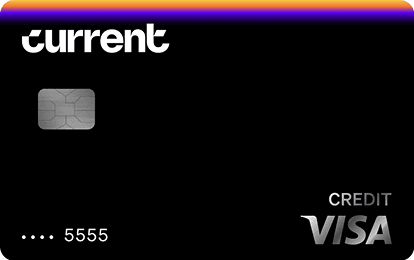
Current Build Card
$0 annual fee. No minimum deposit required. No credit check required. 1 point per dollar on eligible categories. Reports to Experian, TransUnion, Equifax.
Fee
$0
APR
0%
Minimum Deposit Amount
$0
Credit Check
No
Cashback
1 point/dollar on eligible categories (with qualifying payroll deposit)
Benefit
No credit check, no deposit minimum
Firstcard also offers credit-building products designed for users without a credit history. If you specifically have no credit file at all, our guide on Buy Now Pay Later with no credit covers which BNPL apps approve thin or empty files (and which credit-builder cards work best alongside them).
A BNPL That Doubles as a Credit Builder
There is one buy-now-pay-later option that fixes the exact weakness in Zip Pay, and that is Perpay. Instead of leaving your on-time payments invisible, Perpay reports them to the credit bureaus, so the same pay-over-time habit actually builds your score. You shop its marketplace up to $1,000 and pay over time straight from your paycheck, with 0% interest and no credit check to start. On-time members see an average jump of about 32 points. If Zip's per-order fees and zero credit benefit are the dealbreakers, Perpay is the natural alternative to put the same payments to work for you.
Perpay

Perpay
Access up to $1,000 to shop and pay over time from your paycheck while building credit. Increase your credit score by 32 points on average!
Standout feature
Buy Now, Pay Later with Credit Building
Fees
Free ($5/mo for Perpay+ to build credit)
Pros
Up to $1000 spending limit and reporting to Experian, Equifax and Transunion
Cons
Cost $5/mo for credit building
When Zip Pay Makes Sense
Zip Pay is reasonable if:
- You need to spread a $200+ purchase over six weeks at a merchant that doesn't take Affirm or Afterpay
- You can't get approved for a credit card right now
- You're disciplined about paying every installment on time
- The total fee feels worth it for your specific need
It's a poor choice if you're using BNPL as a workaround for credit issues. The right move is to build credit so you don't need BNPL fees in the first place.
Frequently Asked Questions
Does Zip Pay run a credit check?
Zip does a soft credit check at signup and at each transaction. Soft checks don't affect your credit score.
Will Zip Pay help my credit score?
No. Zip Pay does not report on-time payments to credit bureaus. Missed payments can be sent to collections, which would damage your score.
How is Zip Pay different from Quadpay?
Zip Pay is the new name for Quadpay. The U.S. service was rebranded from Quadpay to Zip in 2022. The app and product are the same.
Is Zip Pay better than Afterpay?
Zip works at any Visa merchant, while Afterpay only works with merchant partners. Afterpay has no per-installment fee for standard 4-pay; Zip charges $1 to $7.50 per order. For wider acceptance, Zip wins. For pure cost on small orders, Afterpay is cheaper.

The Firstcard team writes simple, research-backed guides on credit, cards, and credit building. Firstcard has been helping people build credit and save money since 2020. Full profile and latest articles →