
Types of First Credit Cards
Student Credit Cards:
These are the best choices for your first credit card as a student. They usually feature low fees, easy approval, tailored student perks, and credit building. Firstcard helps students get their first credit card and build credit early in college. helps students get their first credit card
1
Secured Credit Cards:
These are smart options for your first credit card if you're starting with no or low credit history. These cards require an upfront deposit and often have a higher APR, but they're a good way to build your credit. Good news–Firstcard offers a secured card with 0% APR with no required minimum deposits to help everyone build their credit easily and safely. a secured card with 0% APR with no required minimum deposits
2
Credit Builder Cards:
These cards are ideal for your first credit card and are designed to help you build credit quickly by reporting payments to major credit bureaus. Learn more about how Firstcard Secured Credit Builder Card helps first-time credit builders establish their credit here. here
3

Choosing a First Credit Card
Selecting your first credit card is a big step in building your financial future. Here are key factors to keep in mind:

Credit Limit
Your first credit card will likely come with a lower credit limit, but it's important to choose one that fits your needs. A higher credit limit can provide flexibility, but make sure it's manageable to avoid overspending.

Credit utilization ratio
If you receive a low credit limit for your first credit card, you need to be extra careful with your credit utilization ratio. The rule of thumb is to keep your credit utilization ratio below 20%. With Firstcard, you don't need to worry about your credit utilization ratio as we don't offer a credit line—what you deposit is what you can spend.

APR (Annual Percentage Rate)
The APR determines how much interest you'll pay if you carry a balance. Look for a first credit card with a low APR, especially if you plan to occasionally carry a balance. Even better, the Firstcard® Secured Credit Builder Card offers 0% APR.

Fees
Watch out for annual fees, late payment fees, and foreign transaction fees. Many first credit card options have low or no fees which makes them budget-friendly for new cardholders.

1% Unlimited Cashback
Not many first credit cards offer cashbacks, but some first credit cards like Firstcard offers cashback or points for everyday purchases. Firstcard Premium offers unlimited 1% cashback on all purchases.

Credit-Building Features
The main purpose of your first credit card is to establish and improve your credit score. Look for cards that report to all three major credit bureaus and provide tools to track your credit-building progress. Firstcard reports to all three major credit bureaus: Equifax®, Experian®, and TransUnion®.

Build Credit With Your First Credit Card
Your credit score is a three-digit number that represents your creditworthiness, ranging from 300 to 850. It's determined by factors like payment history, credit utilization, credit history length, types of credit, and recent inquiries. Your first credit card is a powerful tool to establish good credit. Use it wisely by following these tips:
Pay on Time:
Always pay your bill in full and on time to build a strong payment history. With Firstcard, your good spending behavior will then be reported to the credit bureaus: Equifax®, Experian®, and TransUnion®
Keep Utilization Low:
Spend less than 20% of your credit limit to improve your credit score. With Firstcard, you don't need to worry about credit utilization ratio as we don't offer a credit line!
Monitor Your Credit:
Use free credit tracking tools to check your progress.
By using your first credit card responsibly, you'll lay the foundation for long-term financial success.
First Credit Card Tips
Managing your first credit card wisely is key to building a strong financial foundation. Follow these tips to make the most of your first credit card:
Pay on Time, Every Time
Always pay your credit card bill by the due date. Set up autopay or reminders to ensure you never miss a payment—it's the easiest way to build a positive credit history.
Keep Your Credit Utilization Low
Aim to use less than 20% of your credit limit. For example, if your limit is $500, try not to exceed $100 in spending each month.

Track Your Spending
Stay on top of your purchases by reviewing your statements or using budgeting apps. This prevents overspending and helps you manage your first credit card responsibly.

Avoid Carrying a Balance
If possible, pay off your balance in full each month. Carrying a balance leads to interest charges, which can make your first credit card more expensive to use.

Choose A Card With Great Cashback Offers
With a first credit card that comes with cashback offers, you can earn cashback while building credit. Firstcard is an excellent choice for your first credit card as it offers unlimited 1% cashback.
Monitor Your Credit Score
Use tools or apps to check your credit score regularly. Monitoring your score helps you see how your first credit card is impacting your credit over time. With Firstcard, you can monitor your credit score directly in the app if you applied with an SSN.
How to Apply for Your First Credit Card
Applying for your first credit card is a simple process, but choosing the right card and preparing your application can set you up for success. Here's how to get started:
Research Beginner-Friendly Cards:
Look for credit cards designed for first-timers, such as student cards or secured cards like Firstcard, which have lower eligibility requirements. With Firstcard, we don't pull your credit score. You're pre-approved*.
Check Your Eligibility:
Ensure you meet the card's income and age requirements, typically 18 or older with proof of income.
Gather Necessary Documents:
Have your Social Security number (or ITIN), proof of income, and personal information ready.
Apply Online or In Person:
Most credit card applications can be completed online in minutes. Choose a reputable provider and follow their steps.
Start Building Credit:
Once approved, use your card responsibly to begin building a strong credit profile.
Taking these steps ensures a smooth application process and helps you select the best first credit card for your financial journey.

Start fixing your Bad Credit
Step 1: Gather necessary documents to apply for your first credit card. To get started with your Firstcard application, make sure you meet the following requirements:
1

Age Requirement:
You must be at least 18 years old.
Proof of U.S. Residency:
Provide a legal U.S. residential address.
Valid Government-Issued ID:
This can be a State ID, Driver's License, or Passport.
SSN or ITIN:
If you don't have an SSN, you'll need two documents:
- A Passport
- Either a U.S. Visa or an ITIN
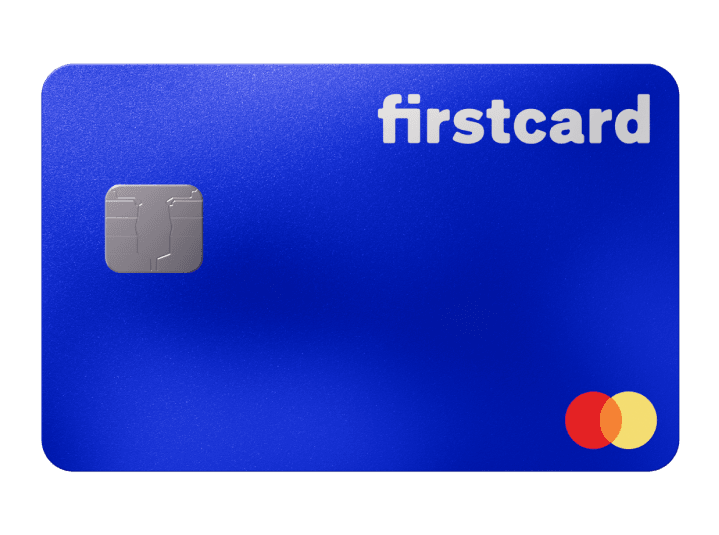
Step 2: Apply for Firstcard® Secured Credit Builder Card today. You're pre-approved. No credit checks or hard inquiry.
2
Step 3: After approval, add money to your Firstcard and start using your Firstcard with purchases
3
Step 4: Turn on Autopay to make sure you make on-time payments.
4
Step 5: Firstcard will report your good on-time spending behavior to all three major credit bureaus: Equifax®, Experian®, and TransUnion®.
5
Security & support you can trust
Safe and Secure
Firstcard uses industry-standard encryption technology to ensure your account and information are safe and secure.
Powered by Mastercard
Powered by Mastercard with Zero Liability Fraud Protection guarantee for unauthorized charges.
Frequently Asked Questions
How long does it take to build credit with a credit card?
It typically takes 3-6 months of responsible credit card use to build an initial credit score with your first credit card. It's important to keep your balance low and to pay your bill on time. These will help you to establish a positive credit history and open doors to more credit options in the future. Your good behaviors are reported to the major credit bureaus helping to increase your score overtime as you use your first credit card.
What is credit utilization and why is it important?
Credit utilization, often referred to as your credit usage percentage, is a metric that represents the amount of available credit you're currently using on your first credit card. This ratio is expressed as a percentage and is calculated by dividing your total outstanding balance on your first credit card by your total credit limit.
Your credit utilization ratio is one of the most critical factors that make up your credit score as it accounts for approximately 30% of your overall credit score, making it one of the most influential components when you get your first credit card.
With traditional credit cards it's important to keep your credit utilization ratio below 30%. If you get your first credit card through Firstcard, you won't need to worry about your credit utilization ratio. Firstcard does not report a pre-set credit limit to the credit bureaus, which means that your credit utilization is not impacted even if you use the full amount of your deposit.
How can I build credit with my first credit card?
Building credit with your first credit card typically takes 3-6 months of responsible use before you start seeing a credit score. Making on-time payments and keeping your balances low are the most important steps to building credit. Credit bureaus begin reporting your activity after a few months, so consistent use and timely payments will help establish a solid credit history over time. Firstcard reports to all three major credit bureaus – Equifax, Experian, and TransUnion.
How many credit cards should I have?
The number of credit cards you should have depends on your financial goals and management skills. If it's your first credit card it's best to start with just one to focus on building credit responsibly. Once you feel comfortable with your first credit card and have achieved a good credit score you can consider adding another for better rewards or a higher credit limit.
How can I get a credit card with no credit history?
If you have no credit history, here are a few ways you can get your first credit card:
- Apply for a Secured Credit Card: A secured credit card is often the best choice for your first credit card if you have no credit history. Secured credit cards are typically easier to obtain with no credit history as you are required to put down a deposit which acts as your credit limit and serves as collateral in case you are unable to pay your bill off on time. The Firstcard® Secured Credit Builder Card is an excellent option for your first credit card as you can apply online and you are automatically pre-approved! There are no hard credit checks and no prior credit history is needed to get approved.
- Get a Co-Signer:If you aren't able to qualify for your first credit card on your own, consider asking a trusted family member to co-sign. *Keep in mind, not all credit card issuers allow co-signers.
- Become an Authorized User: If a trusted family member or friend adds you as an authorized user you can obtain your first credit card with your name on it without being responsible for payments. This allows you to benefit from their credit history since their responsible usage can help build your credit score over time, making it easier for you to qualify for your first credit card down the line.