Splitting a purchase into four payments has become as common as tapping a card at checkout, and Afterpay sits near the top of that pile. With millions of users, partnerships across major retailers, and a built-in rewards program called Pulse, the service has carved out a loyal following.
But how does Afterpay hold up in 2026, and is it the right pay-later option for you? This Afterpay review walks through the costs, the credit reporting question, the perks, and the trade-offs you should know before tapping that orange button at checkout.
What Is Afterpay and How Does It Work?
Afterpay is a buy now, pay later (BNPL) service that splits eligible purchases into four interest-free installments. You pay 25% upfront, then three more payments every two weeks for a total of six weeks.
When you check out, Afterpay runs a soft eligibility check, sets your spending limit, and processes the down payment. The remaining installments come out of your linked debit or credit card automatically.
There is no traditional application, no hard credit pull, and no interest charge if you pay on time. That speed at checkout is a big part of why this Afterpay review keeps coming back to convenience as the main draw.
Afterpay Fees: What You Actually Pay
The headline pitch is "no interest, no fees if you pay on time." That is mostly true, with a few caveats.
Late fees
Miss a payment, and Afterpay charges an initial late fee, typically $10, with another $7 added if the bill remains unpaid after seven days. Total late fees are capped at 25% of the original order or $68, whichever is less.
Afterpay also pauses your account once you fall behind, blocking new purchases until you catch up.
Account reactivation fees
There is no charge to open or close an Afterpay account. Some longer-term Afterpay Plus or monthly plans, used for higher-priced electronics or travel, can carry interest of around 6.99% to 35.99% APR depending on creditworthiness, similar to traditional financing.
For the standard pay-in-4 product, the only meaningful cost is late fees if you miss a payment.
Does Afterpay Affect Your Credit?
The credit reporting question is where Afterpay's marketing gets fuzzy. Standard pay-in-4 plans are not reported to the major U.S. credit bureaus, so on-time payments will not build credit history.
However, Afterpay can hurt your credit if missed payments are sent to collections. The same risk applies to most BNPL providers.
If credit building is your priority, a secured card that reports to all three bureaus is a stronger fit. The Self Visa Credit Card pairs a credit-builder loan with a secured card and reports to Experian, Equifax, and TransUnion. For a smaller, more flexible pay-over-time option that also reports payments, Sezzle is worth a look.
Sezzle

Sezzle
Flexible payments made simple. Shop now, pay later with zero interest options, smart budgeting tools, and a seamless checkout experience.
Standout feature
0% interest on Pay-in-4 when paid on time
Fees
Free
Pros
Sezzle Up reports on-time payments to all major US bureaus
Cons
Late fee of up to $16.95 per missed installment
A Cash-Advance Alternative for Tight Weeks
A lot of people reach for pay-in-4 because money is tight between paychecks, not because they truly want to finance a purchase. If that sounds familiar, Klover is worth considering. It offers cash advances without the interest or late-fee spiral that BNPL can create when several plans overlap, which can be a calmer way to bridge a short gap.
Klover

Klover
Need cash before payday? Klover gives you instant access to up to $750 with no credit check, no interest, and no late fees. Earn points through surveys, receipt scanning, and daily activities to unlock higher advance amounts.
Standout feature
Up to $750 cash advance with no interest or credit check. Free standard delivery.
Fees
Free (optional instant delivery fee)
Pros
No interest or required fees. Quick access to cash advances. Multiple ways to earn points and unlock higher limits.
Cons
Points system can be grindy with ads and games required.
A Builder Card That Actually Moves Your Score
Because standard Afterpay pay-in-4 does nothing for your credit history, pairing it with a product that does report can be smart. The Current Build Card reports your activity to the bureaus, so the everyday spending you would do anyway starts building a track record instead of leaving no footprint at all.
Current Build Card
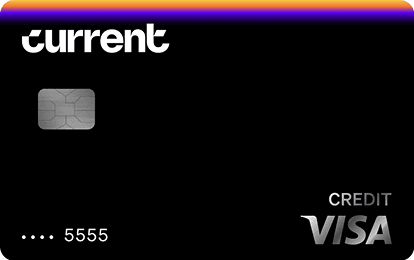
Current Build Card
$0 annual fee. No minimum deposit required. No credit check required. 1 point per dollar on eligible categories. Reports to Experian, TransUnion, Equifax.
Fee
$0
APR
0%
Minimum Deposit Amount
$0
Credit Check
No
Cashback
1 point/dollar on eligible categories (with qualifying payroll deposit)
Benefit
No credit check, no deposit minimum
Where You Can Use Afterpay
Afterpay accepts more than 100,000 retail partners in the United States, with strong coverage in fashion, beauty, electronics, and travel. The Afterpay Card and the in-app Single-Use Cards extend acceptance almost everywhere Visa or Mastercard is accepted.
This broad coverage is a major advantage over closed-loop BNPL apps that only work at a handful of merchants.
Afterpay Pulse Rewards
Pulse is Afterpay's free rewards program. You earn points for on-time payments and unlock perks like access to higher spending limits, exclusive sales, and special promo codes.
There are two tiers: Standard Pulse and Pulse Premium. Premium is for users with strong payment histories and unlocks early access to flash sales and additional partner offers.
Pulse will not directly improve your credit score because it is internal to Afterpay, but consistent on-time payments build a track record that can lead to higher Afterpay limits.
How Afterpay Compares to Other BNPL Apps
Afterpay is one of the four major BNPL apps in the U.S. alongside Klarna, Affirm, and Sezzle. Each handles fees, financing, and credit reporting slightly differently.
- Klarna: Stronger financing options up to 36 months. Pay in 4 is similar to Afterpay.
- Affirm: Focused on longer financing with transparent APRs upfront. Less of a pay-in-4 player.
- Sezzle: Sezzle Up program reports on-time payments to bureaus. The closest competitor for credit-aware shoppers.
If credit reporting matters to you, Sezzle Up gives you the option that Afterpay does not.
When Afterpay Makes Sense
Afterpay is most useful when you want to spread a single, planned purchase over six weeks without paying interest. The most common cases are clothing, beauty products, electronics, and travel bookings.
It is less useful for everyday spending. Stacking multiple Afterpay plans across overlapping pay periods can quickly spiral, and missed payments stay in your account history even if they do not always hit your credit report.
Avoid using Afterpay for items you would not otherwise buy. The illusion of "only $25 today" makes overspending too easy.
A BNPL That Actually Builds Credit
If the thing holding you back is that Afterpay does nothing for your score, Perpay is the BNPL option built around that gap. It is a marketplace where you can shop up to $1,000 and pay over time straight from your paycheck, with 0% interest and no credit check. The difference that matters here: Perpay reports your payments to the credit bureaus, so you build credit while you pay it off, with users seeing an average increase of roughly 32 points. It is the natural pick when you want the pay-over-time flexibility of Afterpay but also want the payments to count.
Perpay

Perpay
Access up to $1,000 to shop and pay over time from your paycheck while building credit. Increase your credit score by 32 points on average!
Standout feature
Buy Now, Pay Later with Credit Building
Fees
Free ($5/mo for Perpay+ to build credit)
Pros
Up to $1000 spending limit and reporting to Experian, Equifax and Transunion
Cons
Cost $5/mo for credit building
When to Skip Afterpay
Skip Afterpay if you are trying to build credit, since pay-in-4 will not move your score. A starter or secured credit card that reports to bureaus is a better fit for credit goals. The best BNPL apps that build credit walks through which providers actually report on-time payments.
Also skip it if you are already carrying multiple BNPL balances. Stacking installment plans is a common path to missed payments and collections.
For very large purchases over $1,000, traditional financing or 0% APR credit card promos may be cheaper than Afterpay's longer-term financing.
Frequently Asked Questions
Does Afterpay run a credit check?
Afterpay performs a soft credit check for standard pay-in-4 purchases, which does not affect your credit score. Longer-term Afterpay Plus financing may involve a hard pull and full credit reporting.
Does paying Afterpay on time help my credit?
No, standard Afterpay pay-in-4 activity is not reported to the major credit bureaus, so on-time payments will not build credit history. Only credit-reporting tradelines, like a credit card or installment loan, do that.
What happens if I miss an Afterpay payment?
Afterpay charges a late fee, pauses your account, and may eventually send unpaid balances to collections. A collection account can hurt your credit score and stay on your report for up to seven years.
Is Afterpay better than a credit card?
Afterpay can be useful for short-term, no-interest purchases at partner retailers. A credit card builds credit, offers fraud protection, and earns rewards, but charges interest on unpaid balances. The right choice depends on whether you need credit-building, rewards, or just a budgeting tool.

The Firstcard team writes simple, research-backed guides on credit, cards, and credit building. Firstcard has been helping people build credit and save money since 2020. Full profile and latest articles →