
Picture this. You are checking out online and the cart total is $180. A button pops up offering to split it into 4 payments of $45. That little button is buy now, pay later, and the two biggest names you will see at checkout are Afterpay and Klarna.
Both apps look similar at a glance. Both promise no interest if you pay on time. But once you read the fine print, the differences add up fast. This 2026 comparison breaks down fees, credit reporting, store coverage, and which one fits which type of shopper.
How Afterpay Works in 2026
Afterpay sticks to a single core product called Pay in 4. You pay 25% at checkout, then three more payments every two weeks. There is no interest if you stay on schedule.
Late fees apply if you miss a payment. Afterpay caps late fees at 25% of the order value or $8 per missed payment, whichever is lower. The app pauses your account until the late balance is paid.
Afterpay also offers longer Pay Monthly plans for purchases between $400 and $4,000. Those plans charge interest, often between 6.99% and 35.99% APR, depending on your credit.
How Klarna Works in 2026
Klarna gives you three main payment options. Pay in 4 splits the cost into four interest-free payments every two weeks. Pay in 30 lets you pay the full balance within 30 days with no fees. Financing offers 6 to 36 month plans with interest rates from 0% to 33.99% APR.
Klarna does not charge late fees on its Pay in 4 plans in the United States. It will, however, restrict your account if you miss payments. Klarna also reports some Pay in 30 and financing plans to credit bureaus, which we will cover next.
If you like the Pay in 4 format but want a third option, Sezzle is worth a look. It splits purchases into four interest-free payments, works at a wide range of stores, and even offers a reBoost feature that can surface your on-time activity. For shoppers comparing BNPL apps, Sezzle rounds out the Afterpay and Klarna picture nicely.
Sezzle

Sezzle
Flexible payments made simple. Shop now, pay later with zero interest options, smart budgeting tools, and a seamless checkout experience.
Standout feature
0% interest on Pay-in-4 when paid on time
Fees
Free
Pros
Sezzle Up reports on-time payments to all major US bureaus
Cons
Late fee of up to $16.95 per missed installment
Credit Score Impact: The Big Difference
This is where the two apps split. Afterpay does not report on-time Pay in 4 payments to the major credit bureaus, so paying back a $200 dress will not help your FICO score grow. Late payments can be sent to collections, which would hurt your credit.
Klarna started reporting Pay in 4 transactions to TransUnion and Experian in 2025. That means a missed Klarna payment could now show up on your credit file. On the upside, on-time financing plan payments can help build a history.
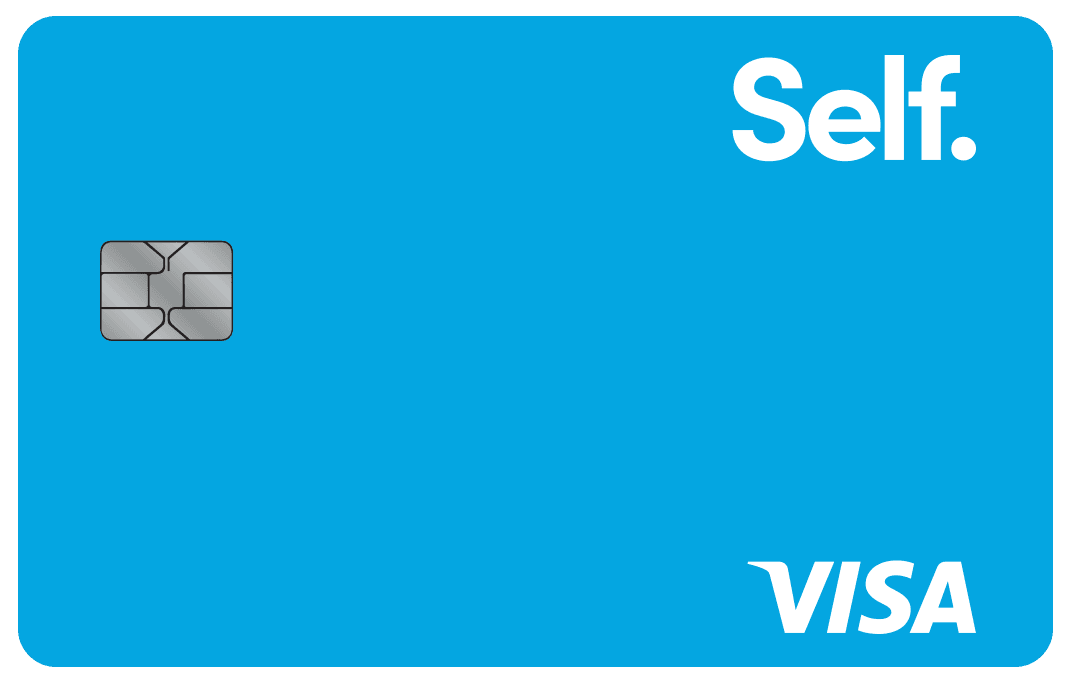
If credit building is your real goal, neither BNPL app is a great main strategy. A product that reports every month to all three bureaus, like the Self Visa® Credit Card, gives you a more reliable on-ramp. Pair it with the Self.Inc Credit Builder Account if you also want to grow savings while you build credit.
Where You Can Shop
Afterpay works at over 100,000 merchants in the United States, including Target, Ulta, Old Navy, and Nike. The Afterpay Card lets you use the service in physical stores through Apple Pay or Google Pay.
Klarna partners with even more stores worldwide, around 575,000 retailers across 26 countries. In the US, you will see Klarna at Sephora, Macy's, H&M, and Best Buy. Klarna also has a one-time card feature that lets you use the service at almost any online store, even ones that do not officially partner with the app.
Approval and Spending Limits
Both apps run a soft credit check, which does not affect your score. Approval depends on your repayment history, the size of your order, and how long you have used the app.
New Afterpay users typically start with a limit around $200 to $600. The limit grows as you make on-time payments. Klarna often starts lower, sometimes capping first orders at $200, then increasing limits over time.
If you have thin credit or no credit, both apps may approve you. Just keep in mind that frequent BNPL use without a real credit card can leave gaps in your credit file. The Kikoff Credit Account is a low-cost way to fill that gap, since it opens a small revolving line that reports to the bureaus and gives lenders a real account to score alongside your BNPL activity.
Kikoff Credit Account

Kikoff Credit Account
Everything you need to build your credit, right in one app. Build credit, lower debt, and unlock progress with tools that actually work.
Standout feature
An avg increase of +86 points within a year with on-time payments
Fees
$5/month for Basic plan, $20/mo for Premium plan $35/mo for Ultimate plan
Pros
Helps both payment history and credit utilization, the two factors that move scores most
Cons
Monthly fee continues for as long as you keep the account open
Fees, Penalties, and Hidden Costs
Here is a quick fee comparison.
- Afterpay Pay in 4: $0 interest, late fees up to $8 per missed payment
- Klarna Pay in 4: $0 interest, no late fees in the US
- Afterpay Monthly: 6.99% to 35.99% APR
- Klarna Financing: 0% to 33.99% APR
- Both apps may charge a foreign transaction fee on some cards used at checkout
Returns can be slow with both apps. If you return an item, you still owe the next scheduled payment until the merchant processes the refund. That is one of the most common complaints in user reviews.
Which BNPL App Is Better for You
Pick Afterpay if you mostly shop fashion and beauty, want a simple Pay in 4 product, and like the in-store card option. Pick Klarna if you want more payment plan choices, larger store coverage, and a Pay in 30 option for items you might return.
If you want to mix BNPL with real credit building, treat them as separate tools. Use BNPL for short-term spreading of a purchase. Use a credit-reporting product like the Current Build Card or Self Visa® Credit Card to grow your score in the background. For a deeper look at which plans actually feed the bureaus, see our guide to BNPL that reports to all three bureaus.
Between Afterpay and Klarna, neither one turns an everyday Pay in 4 plan into reliable credit-building, so if you want your installments to actually count, Perpay is the pick that does the job. It is a BNPL marketplace where you shop up to $1,000 and pay over time straight from your paycheck at 0% interest with no credit check, and it reports those payments to the credit bureaus so you build history while you pay, with members seeing an average bump of roughly 32 points.
Perpay

Perpay
Access up to $1,000 to shop and pay over time from your paycheck while building credit. Increase your credit score by 32 points on average!
Standout feature
Buy Now, Pay Later with Credit Building
Fees
Free ($5/mo for Perpay+ to build credit)
Pros
Up to $1000 spending limit and reporting to Experian, Equifax and Transunion
Cons
Cost $5/mo for credit building
Frequently Asked Questions
Do Afterpay or Klarna check my credit score?
Both apps run a soft credit check at signup, which does not affect your score. Klarna may run a hard inquiry on its longer financing plans of 6 months or more.
Can I have both Afterpay and Klarna at the same time?
Yes. Many shoppers use both. Just track your due dates carefully, since stacked BNPL plans across multiple apps are a common reason people fall behind on payments.
Do BNPL apps help me build credit?
Usually no for short Pay in 4 plans. Klarna reports some plans to bureaus, but Afterpay generally does not. For real credit building, use a card or loan that reports monthly, like the Self.Inc Credit Builder Account, or check out the best BNPL apps that build credit.
What happens if I miss a payment?
Afterpay charges a late fee up to $8 and pauses your account. Klarna does not charge late fees on Pay in 4 in the US, but it will restrict new orders and may report the late activity to credit bureaus.



