
If you have bad credit or no credit history and shop on Amazon, the Amazon Prime Secured Credit Card might be worth a closer look. It's a credit-building product issued by Synchrony Bank that lets you start building credit through Amazon purchases and, over time, work your way up to a card with better rewards.
Before you apply, there's one thing to know upfront: this card only works at Amazon.com and Whole Foods Market. It is not a Visa or Mastercard. It won't work at gas stations, restaurants, or most other places you shop. That's a big limitation, and it shapes who this card is best for.
This review walks through how the card works, what the fees actually look like, how the upgrade path works, and how it compares to other credit-building options.
What Is the Amazon Prime Secured Credit Card?
The Amazon Prime Secured Credit Card is a store card issued by Synchrony Bank. It's the entry-level product in Amazon's credit card program, designed specifically for people who are new to credit or rebuilding after past financial difficulties.
The program works in two stages. You start with the Secured Card, which requires a refundable security deposit. After you demonstrate responsible use over time, you can upgrade to the Amazon Prime Store Card, which requires no deposit and earns higher rewards.
Think of it as a credit-building journey within Amazon's ecosystem: prove yourself with the Secured Card, then graduate to better benefits as your credit improves.
Stage One: The Amazon Credit Builder (Secured Card)
The Secured Card is where most applicants start. When you apply, you put down a refundable security deposit, which becomes your credit limit. Synchrony Bank holds the deposit and reports your payment activity to the credit bureaus each month.
That monthly reporting is what builds your credit. You use the card for Amazon purchases, pay your bill on time, and that positive payment history shows up on your credit report. Most people start seeing credit score movement within three to six months of consistent on-time payments.
Here are the key terms for the Secured Card:
- Annual fee: $0
- Rewards: 2% back on Amazon purchases with an eligible Prime membership
- APR: 10% non-variable
- Late fee: Up to $5
- Security deposit: Required (becomes your credit limit)
A few of these numbers stand out. The 10% APR is unusually low for a credit-building card. Most secured cards charge 20% to 29% variable APR, so the 10% non-variable rate gives you real protection if you ever carry a small balance.
The late fee cap of $5 is also remarkably low. Most credit cards charge up to $40 for a missed payment. If you're still developing consistent payment habits, the $5 cap is a meaningful safety net.
And the $0 annual fee means there's no ongoing cost to keep the account open while you're building credit.
Stage Two: Upgrading to the Amazon Prime Store Card
Once you've shown responsible card use with the Secured Card, you may become eligible to upgrade to the Amazon Prime Store Card. Synchrony Bank determines upgrade eligibility based on your account history, typically looking at your payment consistency and overall credit profile.
The Store Card is a meaningful step up:
- Annual fee: $0
- Rewards: 5% back on Amazon purchases with an eligible Prime membership
- APR: 29.49% variable
- Late fee: Up to $40
- Security deposit: Not required
The upgrade gives you two big benefits: no deposit required (so you get your original deposit back), and the rewards rate jumps from 2% to 5% back on Amazon purchases. For frequent Amazon shoppers, 5% back is one of the best cashback rates available.
Here's the trade-off: the APR shoots up to 29.49% variable. That's a steep rate. The Store Card makes sense if you pay your balance in full every month, but if you carry a balance, the interest charges will quickly outweigh any rewards you earn.
Here's how the two stages compare:
| Secured Card (Credit Builder) | Store Card (After Upgrade) | |
|---|---|---|
| Security deposit | Required | Not required |
| Annual fee | $0 | $0 |
| Rewards with Prime | 2% back on Amazon | 5% back on Amazon |
| APR | 10% (non-variable) | 29.49% (variable) |
| Late fee | Up to $5 | Up to $40 |
| Stage | Credit building | Rewards earning |
Both cards require a Prime membership to earn the higher rewards rates. Without Prime, cashback rates are lower on both.
Not sure if a secured card is the right tool for building credit? Our credit builder loan vs secured credit card comparison breaks down the key differences. And if you have already moved into the fair-credit range, our roundup of the best store cards for fair credit ranks the top retail picks for FICO 570–669.
A Critical Limitation: Amazon and Whole Foods Only
This is the most important thing to understand about this card at either stage: it is a store card, not a general-purpose credit card.
You can only use it at Amazon.com and Whole Foods Market. It will not work at most grocery stores, gas stations, restaurants, pharmacies, or anywhere else you shop day to day. If you need a card for everyday spending beyond Amazon, you will need a separate card — for a broader selection, see secured credit cards with cash back that work at any retailer.
For credit-building purposes, this matters. Using a card regularly across different spending categories helps build a well-rounded credit history. A card limited to one retailer means you may need to use multiple cards to cover your spending, which adds complexity.
If most of your spending already happens on Amazon, the limitation is less of a problem. But if you're looking for a single card to handle everyday life, this one won't cover it.
How This Differs from the Chase Amazon Prime Visa
The Chase Amazon Prime Visa comes up frequently alongside Amazon's Synchrony cards, and it's worth clarifying that these are completely different products.
The Chase Amazon Prime Visa is a Visa network card. You can use it anywhere Visa is accepted, not just Amazon and Whole Foods. It also earns 5% back on Amazon and Whole Foods with a Prime membership, plus rewards at other merchants including dining, gas, and transit.
The Chase card is designed for people with good to excellent credit. It is not a credit-building card, and it does not involve a security deposit or an upgrade path.
The Amazon Prime Secured Credit Card from Synchrony Bank is a store card for people building or rebuilding credit. The two should not be confused. If you're working on your credit, the Synchrony store card is the relevant product. If you already have strong credit and want a premium rewards card for Amazon spending, the Chase card is worth looking at separately.
If you also shop at specific apparel or home decor retailers, our Old Navy Credit Card review walks through the Navyist Rewards program across Gap, Banana Republic, and Athleta.
Who Should Apply?
The Amazon Prime Secured Credit Card is a good fit if you:
- Have bad credit or no credit history and need a way to start building
- Shop on Amazon regularly and have or plan to get a Prime membership
- Want a low APR and a forgiving late fee while you're establishing payment habits
- Are comfortable putting a deposit down temporarily in exchange for credit-building benefits
- Have a goal of eventually earning 5% back on Amazon after upgrading
This card is not the best choice if you:
- Want to earn rewards or build credit at a broad range of retailers
- Need a single card that works everywhere
- Already have established credit and are looking for a premium rewards card
- Don't shop on Amazon enough to benefit from Amazon-specific cashback
Pros and Cons
Pros:
- The 10% APR on the Secured Card is one of the lowest available for any credit-building card
- $0 annual fee at both stages
- The $5 late fee cap on the Secured Card is unusually low and forgiving for beginners
- Earns cashback on Amazon while you build credit, starting at 2% and rising to 5% after upgrade
- Clear upgrade path from Secured Card to Store Card as your credit improves
- Security deposit is refundable when you upgrade or close the account
Cons:
- Only accepted at Amazon.com and Whole Foods, not at other retailers
- Prime membership required to earn the full rewards rate at either stage
- The Store Card's 29.49% variable APR is high once you've upgraded
- Requires a security deposit upfront to start
- Not a Visa or Mastercard, so it cannot be your only card for everyday spending
Alternatives Worth Considering
If you want a credit-building card that works anywhere, not just Amazon and Whole Foods, these options are worth a look. Each of them reports to all three bureaus and can be used for everyday spending at any retailer.
Current Build Card
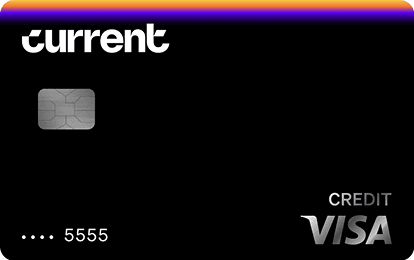
Current Build Card
$0 annual fee. No minimum deposit required. No credit check required. 1 point per dollar on eligible categories. Reports to Experian, TransUnion, Equifax.
Fee
$0
APR
0%
Minimum Deposit Amount
$0
Credit Check
No
Cashback
1 point/dollar on eligible categories (with qualifying payroll deposit)
Benefit
No credit check, no deposit minimum
The Current Build Card has a $0 annual fee, 0% APR, and no minimum deposit required. No credit check is needed to apply. It earns 1 point per dollar on dining and groceries and reports to Experian, TransUnion, and Equifax. It works anywhere, making it a strong alternative if Amazon-only spending feels too limiting.
Kikoff Secured Credit Card

Kikoff Secured Credit Card
Kikoff Secured Credit Card works like a debit card & checking account and performs like a credit builder. Build credit with your everyday purchases.
APR
0%
Minimum Deposit Amount
$0
Credit Check
No
Cashback
Yes
Benefit
0% interest. No credit check.
The Kikoff Secured Credit Card charges 0% interest and requires no credit check. It's designed for everyday spending and credit building, and is a good option for people who want a simple, low-cost starting point.

OpenSky offers a straightforward secured card with no hidden fees. It's a popular option for people rebuilding after financial setbacks like collections, late payments, or past delinquencies.
You can also use Creditship.ai to track your credit progress and find products that match your profile.
Frequently Asked Questions
Can you use the Amazon Prime Secured Credit Card anywhere?
No. Both the Secured Card and the Store Card are store cards. They only work at Amazon.com and Whole Foods Market. They do not work at other retailers, so you'll likely need a separate card for other everyday spending.
Do you need Amazon Prime to apply?
You don't need Prime to apply or to use either card. However, a Prime membership is required to earn the higher rewards rates: 2% back on the Secured Card and 5% back after upgrading to the Store Card.
What credit score do you need to get the Amazon Credit Builder?
The Secured Card is designed for people with limited or poor credit history, so the approval bar is lower than a standard credit card. Synchrony Bank makes the final decision, and no publicly disclosed minimum score exists.
For options with no credit check required, see secured cards with instant approval.
How does the upgrade from the Secured Card to the Store Card work?
Synchrony Bank evaluates your account history over time. If you've made consistent on-time payments and managed your credit responsibly, you may receive an upgrade offer. When you upgrade, your security deposit is returned and your rewards rate improves from 2% to 5% back on Amazon purchases.
Is the security deposit refundable?
Yes. You get it back when you upgrade to the Store Card or close the account in good standing.
How long does it take to build credit with this card?
Most people see early credit score movement within three to six months of consistent on-time payments. Building a solid credit profile typically takes 12 months or more of positive account history.
What is the difference between the Amazon Credit Builder and the Chase Amazon Prime Visa?
The Amazon Credit Builder is a store card from Synchrony Bank, usable only at Amazon and Whole Foods, designed for people building credit. The Chase Amazon Prime Visa is a Visa network card for people with good to excellent credit, usable anywhere Visa is accepted. They are separate products from different issuers and serve very different audiences.



