
If you want a no-fee cash back card that rewards everyday spending without rotating categories, the Amex Blue Cash Everyday card lands near the top of the list. It earns 3% at U.S. supermarkets, U.S. gas stations, and U.S. online retail.
As of May 2026, the card charges a $0 annual fee and includes a monthly streaming credit. Below is a full breakdown of every benefit and the caps that decide how much you actually earn.
What the Blue Cash Everyday Card Is
The Blue Cash Everyday Card from American Express is a no-annual-fee cash back card built for households. It is the lower-tier sibling of the Blue Cash Preferred, which earns 6% but charges $95 a year.
It typically targets applicants with good to excellent credit, often FICO scores of 670 and up. Amex also offers a soft pre-qualification tool so you can check approval odds without a hard pull.
Because approval here leans on a healthy score, it is worth knowing where your credit stands before you apply. Creditship offers free credit monitoring and personalized guidance, so you can confirm you are in the 670-plus range Amex tends to look for and avoid a wasted hard inquiry.
Creditship

Creditship
Get free credit monitoring and concrete advice how to improve your credit from Creditship AI.
Standout feature
AI Credit Coach. AI analyzes your credit report in depth and gives you tailored, actionable steps to raise your score.
Fees
Free
Pros
Free credit report access plus monitoring and alerts
Cons
No credit repair feature
Three 3% Categories with Caps
The Blue Cash Everyday card earns:
- 3% cash back at U.S. supermarkets, up to $6,000 in purchases per year
- 3% cash back at U.S. gas stations, up to $6,000 per year
- 3% cash back on U.S. online retail purchases, up to $6,000 per year
- 1% cash back on everything else, including purchases above the caps
That means each category may earn up to $180 a year before dropping to 1%. A two-person household spending $500 a month on groceries usually maxes out the supermarket cap by month 12.
Online retail covers most U.S. ecommerce sites, including Amazon, Walmart.com, and Target.com. In-store purchases at these same retailers earn 1%.
Welcome Bonus and Intro APR
New cardholders can earn a $200 statement credit after spending $2,000 on purchases in the first six months. That works out to roughly $333 a month in spending, which most households hit on groceries and gas alone.
The card includes a 0% intro APR on purchases for 15 months, followed by a variable APR typically between 19.49% and 28.49% as of May 2026. Check Amex's website for current APR ranges before applying.
Monthly Statement Credits Worth $168 a Year
The Blue Cash Everyday card offers a $7 monthly statement credit on a Disney Bundle subscription that includes Disney+, Hulu, and ESPN+. That adds up to $84 a year.
It also includes a $15 monthly Home Chef credit, totaling $180 a year if you use the service every month. You need to enroll and use the card to pay for the qualifying subscription.
These credits do not carry over month to month. If you miss a month, that credit is gone.
An Easier-Approval Alternative to Consider
If you want a rewards card and your credit file is still thin, the Aspire Cash Back Rewards Mastercard is worth comparing. It is built for applicants with bad or limited credit, prequalifies up to a $1,000 credit limit with no security deposit and no hard credit pull at prequalification, reports to all three bureaus, and pays up to 3% cash back on eligible categories. Unlike the no-fee Blue Cash Everyday, the Aspire card charges an annual fee (plus a monthly fee after the first year), so it is not a fee-free card, but approval favors thinner credit files than Amex's 670-plus range, so it can be an entry point while you build.
Aspire® Cash Back Rewards Mastercard
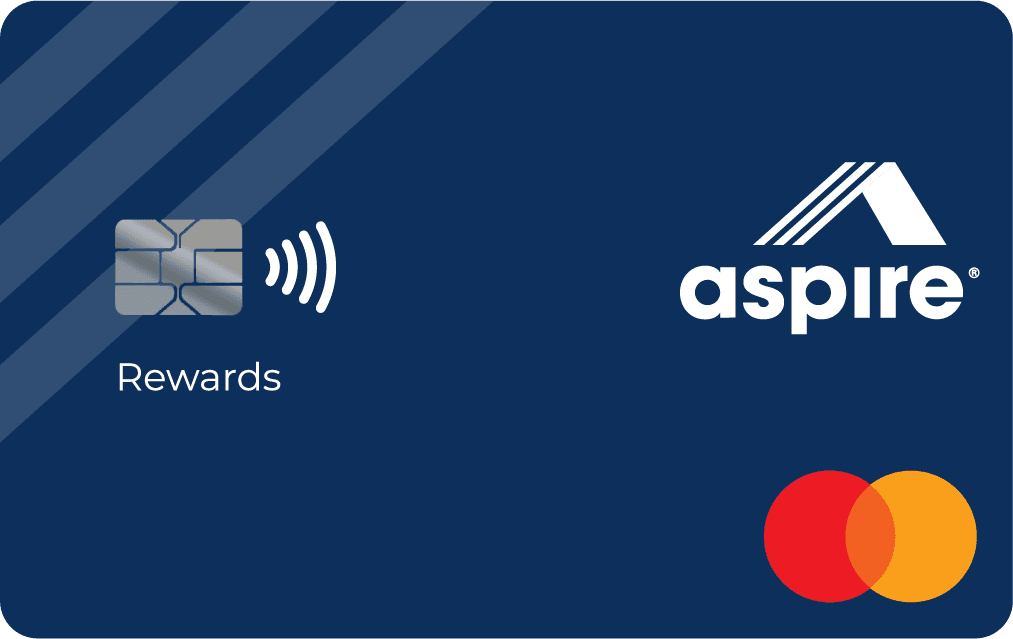
Aspire® Cash Back Rewards Mastercard
Aspire® Cash Back Rewards Mastercard. Prequalify* For Up To $1000 Credit Limit. No security deposit. Packed with great benefits, it’s designed to give you more flexibility—and purchasing power—along with up to 3% cash back rewards!** Good anywhere Mastercard is accepted, it’s the go-to card for any lifestyle.
Standout feature
Up to 3% cashback rewards**
Fees
$85–$175 first year, $229 thereafter (maintenance fees already included)
Pros
No Deposit Required. Prequalify* for up to $1000 credit limit
Cons
High APR, 36% Fixed.
Travel Protections and Purchase Coverage
The card includes car rental loss and damage insurance when you book a rental with the card and decline the rental company's collision waiver. Coverage is secondary in the U.S. and primary in many international destinations.
Global Assist Hotline gives cardholders 24-hour access to help with medical referrals, legal aid, and emergency translation services while traveling more than 100 miles from home.
Amex Offers add another layer of value. These are targeted deals at brands like Hilton, Best Buy, and Uber that let you earn extra statement credits or bonus rewards. The electronics deals are especially worth watching, and our breakdown of how the Best Buy Amex offer works walks through adding the offer, hitting the spend threshold, and avoiding the exclusions that void the credit.
Who Should Apply
The Blue Cash Everyday card fits households spending at least $400 a month combined across groceries, gas, and online retail. At that level, you earn roughly $144 a year in cash back from the 3% categories alone. If you want more options in this niche, compare it against the highest cash back credit cards with no annual fee before applying.
If your grocery spending exceeds $500 a month, the Blue Cash Preferred at $95 a year often delivers more. Its 6% rate on the same $6,000 cap earns $360, which beats Blue Cash Everyday by about $85 net after the fee. For shoppers with thinner credit, the best cash back cards for groceries may be an easier path in.
If you spend mostly on dining and entertainment, the Capital One Savor or another category card may earn more. Flat-rate fans may prefer to compare the Chase Freedom Unlimited vs Citi Double Cash head-to-head.
If your score is not yet in Amex's range, the smarter first move can be a starter card that builds the history a rewards card requires. The Self Visa Credit Card pairs with a credit builder account, reports to all three bureaus, and asks for no hard pull at approval, so you can establish the on-time payment record that makes a card like Blue Cash Everyday reachable later.
How to Redeem Cash Back
Cash back is delivered as Reward Dollars, which post to your account about a month after the close of each statement. You can redeem starting at $25 as a statement credit.
Reward Dollars can also be used at checkout on Amazon and at select merchants. They do not expire as long as your account stays open.
Drawbacks to Know
Foreign transaction fees on the Blue Cash Everyday card are 2.7% on each purchase made abroad. If you travel internationally, a different card may save you money.
The 3% categories only count U.S. transactions. Buying groceries while traveling outside the U.S. drops your earn rate to 1%, plus the foreign transaction fee.
The $6,000 caps reset annually, so heavy spenders may hit them quickly. Track your spending to know when to switch to a backup card.
Frequently Asked Questions
Does the Blue Cash Everyday card charge an annual fee?
No. The Blue Cash Everyday card has a $0 annual fee as of May 2026. Amex does charge fees for cash advances, late payments, and returned payments.
What credit score do I need for the Blue Cash Everyday card?
Amex typically approves applicants with good to excellent credit, often FICO scores of 670 or higher. A clean payment history and stable income may also help your application.
Do online purchases at Amazon and Walmart earn 3%?
Yes, online purchases at Amazon.com and Walmart.com typically count toward the 3% U.S. online retail category. In-store purchases at the same retailers usually earn 1%.
Can I use the Blue Cash Everyday card outside the U.S.?
You can, but Amex charges a 2.7% foreign transaction fee. Purchases abroad also typically earn only 1% cash back since the 3% rates apply only to U.S. merchants.




